Salmon Trick for Memory – (🐟REAL FACTS!) Discover what the salmon trick for memory claims, science insights, and how salmon may support brain health.
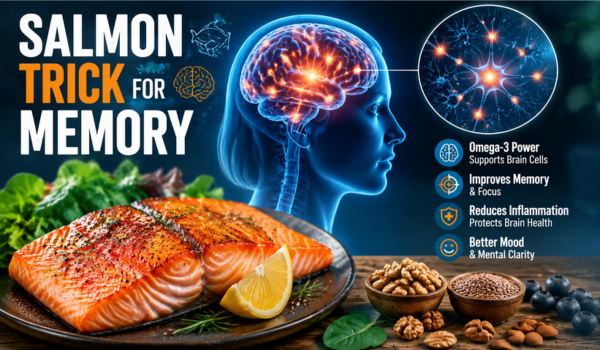

Memory changes can happen as we age, and many people look for simple lifestyle habits that may help support sharper thinking, better focus, and overall brain wellness.
One popular natural approach is the salmon trick for memory, which focuses on adding nutrient-rich salmon to your diet to provide important brain-supporting nutrients.
Salmon is widely known as a source of omega-3 fatty acids, especially DHA (docosahexaenoic acid), a type of fat that plays an important role in brain structure and communication between brain cells.
Because the brain contains a high amount of fat, getting healthy fats from foods like salmon may help maintain normal brain function.
While eating salmon is not a guaranteed cure for memory problems or conditions like Alzheimer’s disease, research suggests that a diet rich in omega-3 fatty acids, antioxidants, vitamins, and other brain-supporting nutrients may contribute to long-term cognitive health.
In this article, we will explore what the salmon trick for memory means, how salmon may support brain health, the science behind omega-3 fatty acids, and easy ways to include salmon in a memory-friendly diet.
What Is the Salmon Trick for Memory?
The salmon trick for memory is a simple nutrition habit that involves regularly eating salmon as part of a balanced diet to support brain health. The idea is based on salmon’s rich nutritional profile, especially its high levels of omega-3 fatty acids.
Unlike many processed foods that provide calories without significant nutrients, salmon delivers several compounds that are important for overall wellness, including:
- Omega-3 fatty acids (DHA and EPA)
- High-quality protein
- Vitamin D
- Vitamin B12
- Selenium
- Antioxidants such as astaxanthin
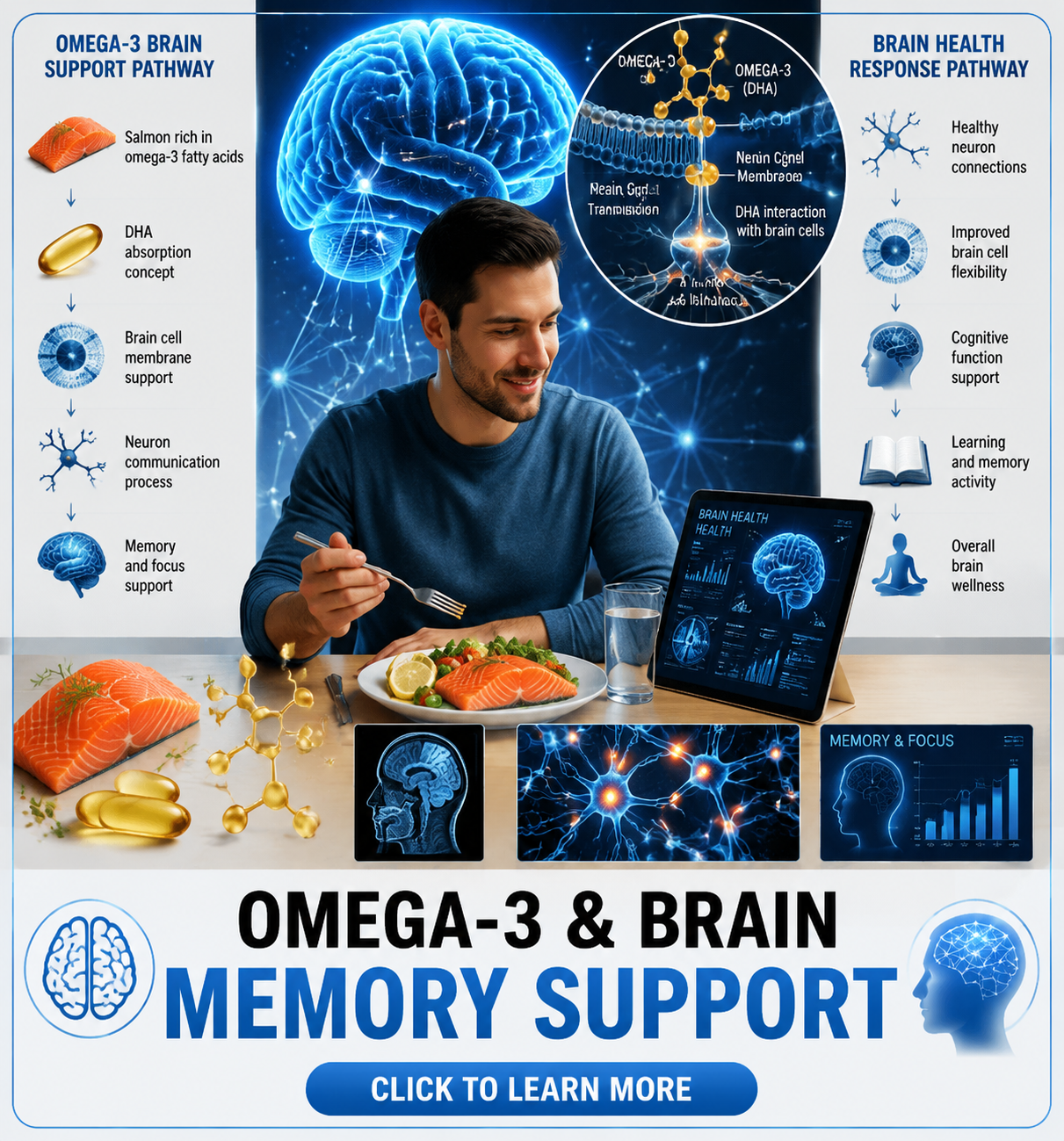
DHA is particularly important because it is one of the primary structural components of brain cell membranes. Healthy levels of DHA help brain cells maintain proper communication, which is essential for learning, concentration, and memory processes.
The “trick” is not about eating a large amount of salmon overnight. Instead, it focuses on making salmon a consistent part of a healthy eating pattern.
How Does Salmon Support Memory and Brain Function?
The brain requires a steady supply of nutrients to function properly. Salmon contains several nutrients that may help support different aspects of brain health.
Omega-3 Fatty Acids and Brain Cell Health
Omega-3 fatty acids are among the most studied nutrients for cognitive wellness. DHA helps maintain the flexibility and structure of brain cell membranes.
Brain cells communicate through electrical and chemical signals. Healthy cell membranes allow these signals to move efficiently, which supports processes related to:
- Memory formation
- Learning ability
- Focus
- Mental performance
Low levels of omega-3 fatty acids have been associated with changes in brain health, which is why researchers continue studying their potential role in cognitive function.
Supports Healthy Brain Inflammation Levels
- Inflammation is a natural process that helps the body respond to injury and infection. However, long-term excessive inflammation may negatively affect many areas of health, including brain wellness.
- Omega-3 fatty acids found in salmon may help support the body’s natural inflammatory balance. By including omega-3-rich foods in a balanced diet, people may support overall brain protection.
Helps Maintain Communication Between Brain Cells
- Memory depends on communication between neurons. The brain uses complex networks of nerve cells to store and retrieve information.
- DHA contributes to healthy neuron structure, which may help support normal communication pathways involved in thinking and memory.
The Science Behind Salmon and Memory Health
Scientists have studied the connection between seafood consumption and brain health for many years. Research suggests that people who regularly consume fish containing omega-3 fatty acids may have better overall cognitive health compared with those who rarely eat seafood.
Several studies have focused on DHA because of its important role in the brain. DHA is naturally found in brain tissue and supports the structure of neurons.
However, it is important to understand that nutrition works as part of a larger lifestyle. Eating salmon alone cannot prevent memory decline. Brain health is influenced by many factors, including:
- Physical activity
- Sleep quality
- Stress management
- Social connections
- Overall diet
- Genetics
- Medical conditions
The salmon trick works best when combined with other healthy habits.
Best Types of Salmon for Brain Health
Different types of salmon can provide valuable nutrients that support brain wellness. Fatty varieties are often preferred because they contain higher levels of omega-3 fatty acids, which play an important role in maintaining healthy brain function.
Wild-Caught Salmon
Wild salmon often has a slightly different nutritional profile compared with farmed salmon. It typically contains high levels of omega-3 fatty acids and naturally occurring nutrients.
Popular wild salmon varieties include:
- Sockeye salmon
- Chinook salmon
- Coho salmon
1. Sockeye Salmon
- Known for its vibrant color and nutrient profile, sockeye salmon provides beneficial fats and antioxidants that support cellular health.
2. Chinook (King) Salmon
- One of the fattiest salmon varieties, it contains higher amounts of omega-3s that contribute to healthy brain cell structure.
3. Coho Salmon
- A balanced option with a mild flavor, coho salmon provides protein and essential nutrients that support overall wellness.
Choosing a variety of salmon as part of a balanced diet may help provide nutrients that support memory, focus, and long-term brain health.
How Much Salmon Should You Eat for Memory Support?
There is no specific amount of salmon proven to improve memory. However, many nutrition experts recommend including fatty fish as part of a healthy eating pattern.
A common recommendation is eating fatty fish, such as salmon, about two times per week.
A typical serving size may include:
- 3 to 4 ounces of cooked salmon
- A palm-sized portion of fish
The goal is consistency rather than excessive consumption.
Eating moderate portions regularly can help provide a steady supply of omega-3 fatty acids and other nutrients.
Easy Ways to Add Salmon to Your Diet
Adding salmon to meals does not need to be complicated. There are many simple ways to enjoy it.
Salmon Salad
Combine cooked salmon with:
- Leafy greens
- Avocado
- Nuts
- Olive oil dressing
- Vegetables
This creates a meal rich in healthy fats and antioxidants.
Baked Salmon
Baking salmon with herbs, lemon, and vegetables is an easy preparation method that preserves nutrients without adding unhealthy fats.
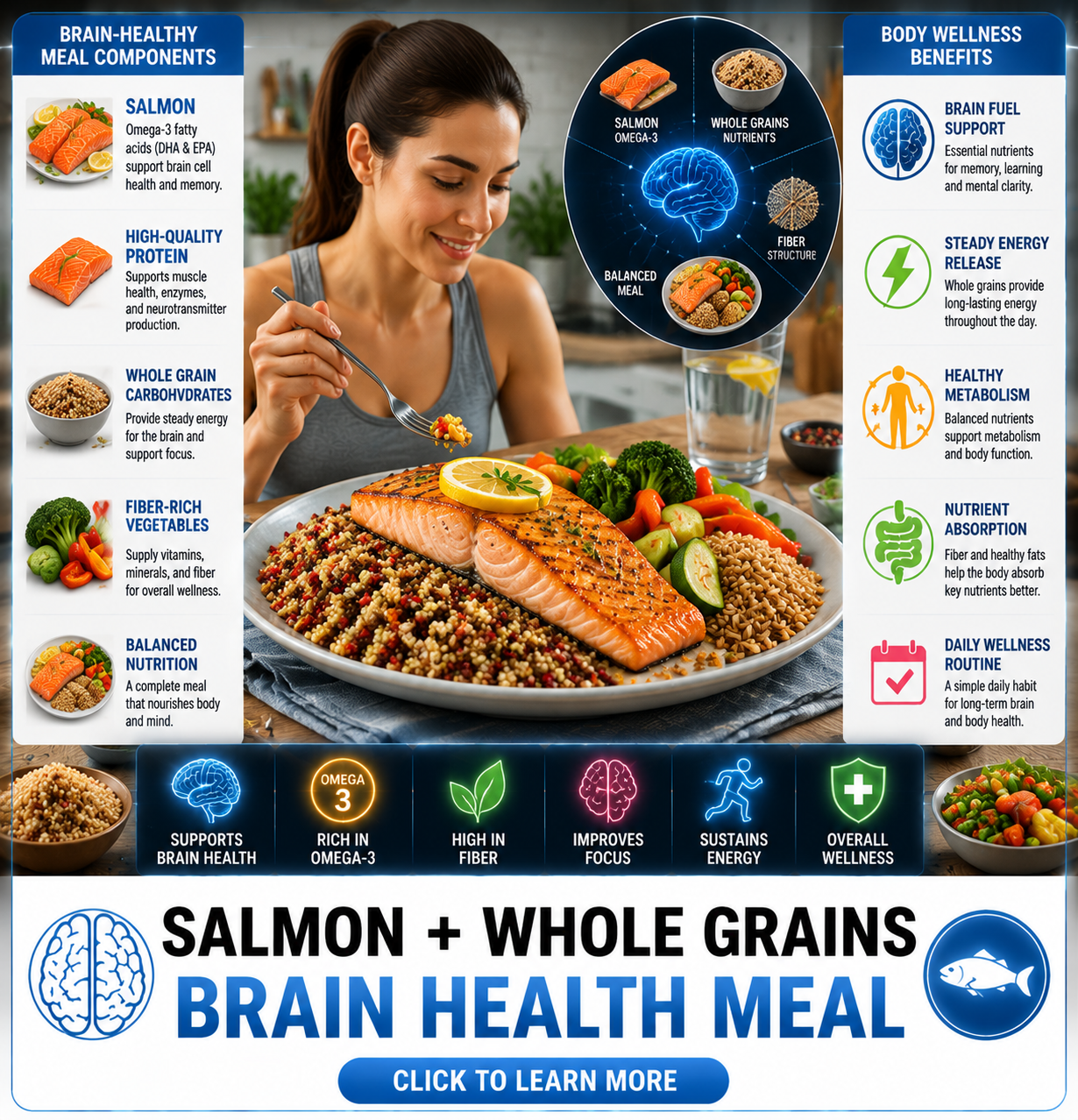
Salmon With Whole Grains
Pair salmon with:
- Brown rice
- Quinoa
- Sweet potatoes
- Vegetables
This creates a balanced meal with protein, fiber, and healthy carbohydrates.
Salmon Breakfast Options
Some people enjoy smoked salmon with:
- Eggs
- Whole-grain toast
- Vegetables
This can provide protein and brain-supporting nutrients early in the day.
Other Brain-Healthy Nutrients Found in Salmon
Salmon provides more than omega-3 fatty acids. Several other nutrients may contribute to overall brain wellness.
- Vitamin D: Supports normal brain function, mood balance, and healthy nerve activity while helping the body maintain important neurological processes.
- Vitamin B12: Helps maintain healthy nerve cells, supports brain communication, and plays an important role in normal memory and cognitive function.
- Selenium: Provides antioxidant support that helps protect brain cells from oxidative stress and supports overall cellular health.
- High-Quality Protein: Supplies essential amino acids that help maintain body tissues and support normal brain structure and function.
- Astaxanthin: A powerful antioxidant pigment in salmon that may help protect cells from free radical damage and support brain wellness.
Can Salmon Prevent Memory Loss?
Many people wonder whether eating salmon can prevent memory problems. Current evidence does not show that salmon alone can stop memory loss or reverse neurological conditions.
However, a nutrient-rich diet that includes fatty fish may support healthy aging and overall cognitive function.
Brain health depends on a combination of daily habits, including:
- Eating a balanced diet
- Exercising regularly
- Maintaining healthy blood pressure
- Getting enough sleep
- Keeping the brain mentally active
Salmon can be a valuable part of this approach.
Salmon Trick for Memory vs Supplements
Omega-3 supplements are popular because they provide concentrated amounts of DHA and EPA. However, eating whole foods like salmon provides additional nutrients that supplements may not contain.
Salmon provides:
- Omega-3 fatty acids
- Protein
- Vitamins
- Minerals
- Natural antioxidants
Whole foods also fit naturally into a balanced eating pattern.
Before starting any supplement, especially high-dose omega-3 products, it is important to discuss your options with a healthcare professional.
Are There Any Risks of Eating Salmon?
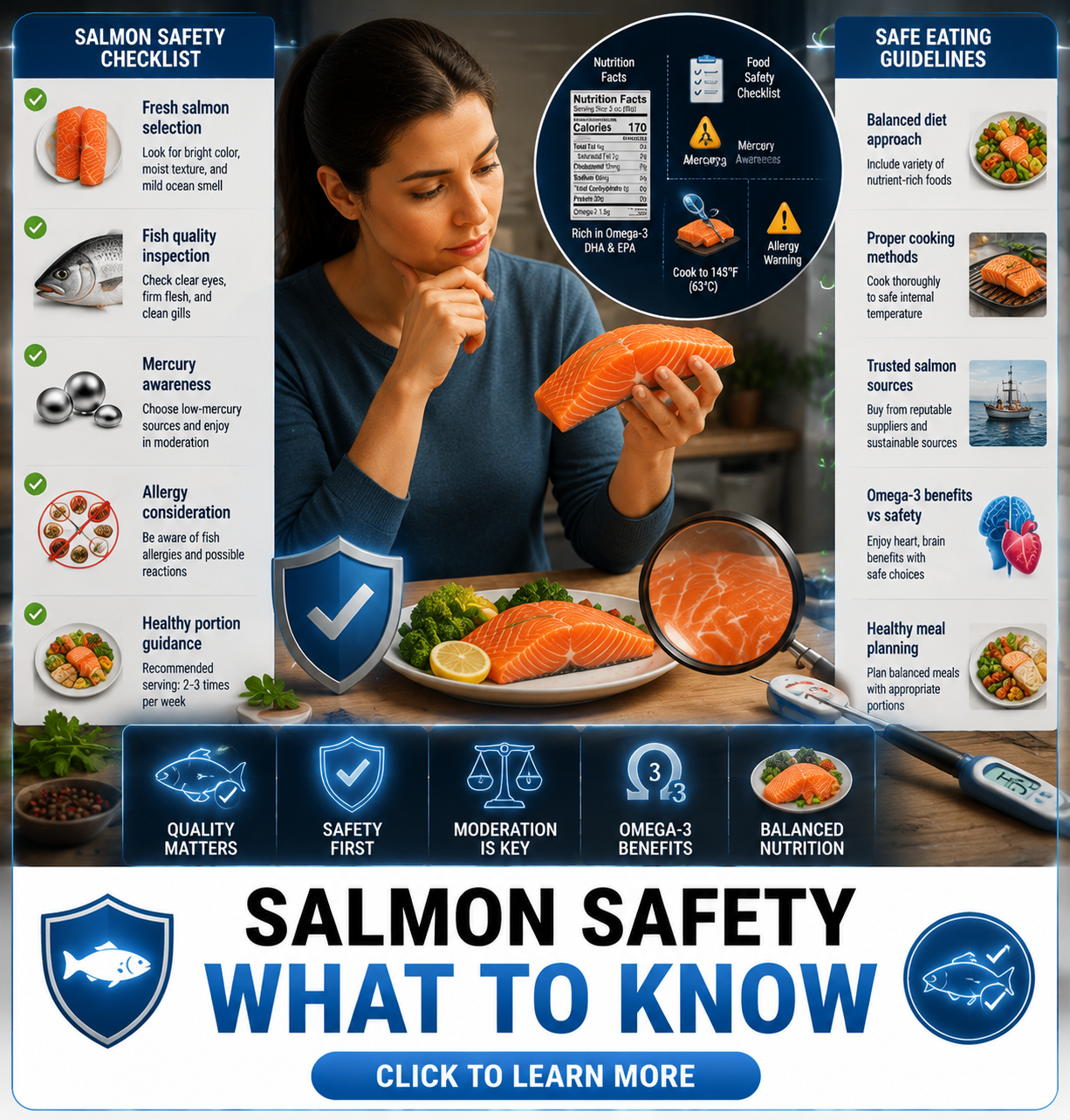
Salmon is generally considered a healthy food, but there are a few things to keep in mind. Some people may have fish allergies, and certain salmon sources may contain environmental contaminants in small amounts.
Choosing high-quality salmon and eating it as part of a balanced diet can help reduce potential concerns.
Eating too much of any single food may also limit dietary variety, so it is best to include salmon along with other nutrient-rich foods.
People who take blood-thinning medications or have specific health conditions should consult a healthcare professional before significantly increasing omega-3 intake.
Cooking Methods Matter
Healthier preparation methods include:
- Baking
- Grilling
- Steaming
Deep-frying salmon may add unnecessary calories and unhealthy fats.
Other Lifestyle Habits That Support Memory
Supporting memory health involves more than focusing on one food like salmon. A healthy lifestyle that includes regular movement, proper sleep, mental activities, balanced nutrition, stress control, and social engagement can help maintain overall brain wellness.
These daily habits work together to support concentration, learning ability, emotional balance, and long-term cognitive function.
- Regular Exercise: Physical activity improves blood circulation and may help support brain function, memory, focus, and overall cognitive wellness.
- Quality Sleep: Adequate restful sleep allows the brain to process information, strengthen memories, and maintain healthy mental performance.
- Mental Stimulation: Activities like reading, learning, puzzles, and creative hobbies help keep the brain engaged and support cognitive activity.
- Stress Management: Managing daily stress through relaxation practices and healthy routines may improve focus, clarity, and emotional well-being.
- Balanced Nutrition: A varied diet with nutrient-rich foods provides essential support for brain health, energy, and memory-related functions.
- Social Connection: Building strong relationships and staying socially active may support emotional health and encourage healthy cognitive aging.
Final Thoughts
The salmon trick for memory is a simple dietary approach focused on adding omega-3-rich salmon to support overall brain wellness.
Salmon provides DHA, EPA, protein, vitamins, and minerals that play important roles in maintaining healthy brain function.
Although salmon is not a magic solution for memory problems, making it part of a balanced lifestyle may help provide nutrients that support cognitive health as you age.
Combining salmon with regular exercise, good sleep, stress management, and a nutrient-rich diet creates a stronger foundation for long-term brain health.
A small change like adding salmon to your weekly meals may be a simple step toward supporting your brain naturally.
.
.
.