Mineral Water Trick For A Swollen Prostate: Does It Really Help?
Mineral Water Trick For A Swollen Prostate – (💧NATURAL SUPPORT!) Discover whether mineral water may support prostate and urinary health naturally.
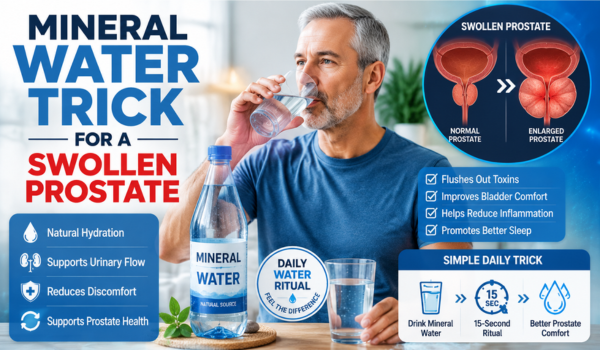

A swollen prostate, also known as an enlarged prostate or benign prostatic hyperplasia (BPH), is a common condition that affects many men as they age.
Because urinary symptoms can interfere with daily life and sleep, many people search for simple home remedies online. One trend that has gained attention is the Mineral Water Trick For A Swollen Prostate.
But does drinking mineral water actually shrink the prostate? Or is it simply another internet health myth? The answer is somewhere in the middle.
While mineral water is not a cure or medically proven treatment for an enlarged prostate, staying well hydrated and consuming certain naturally occurring minerals may help support urinary tract function and overall prostate health as part of a healthy lifestyle.
In this guide, you’ll learn what the Mineral Water Trick is, what science says about it, its potential benefits, limitations, and other evidence-based ways to support prostate health.
What Is the Mineral Water Trick For A Swollen Prostate?
The Mineral Water Trick For A Swollen Prostate refers to the idea that drinking mineral-rich water every day can improve prostate health and reduce urinary discomfort associated with an enlarged prostate.
Unlike regular drinking water, mineral water naturally contains beneficial minerals such as:
- Magnesium
- Calcium
- Potassium
- Bicarbonate
- Trace amounts of zinc (varies by source)
Supporters claim these minerals may help:
- Maintain proper hydration
- Support muscle and nerve function
- Promote healthy urinary function
- Reduce dehydration that can worsen urinary symptoms
However, there is no scientific evidence that mineral water alone can shrink an enlarged prostate.
Instead, experts generally agree that adequate hydration is one part of maintaining urinary health.
Why Hydration Matters for Prostate Health?
Although hydration cannot reverse prostate enlargement, it plays an important role in keeping the urinary system functioning properly.

When the body becomes dehydrated:
- Urine becomes more concentrated.
- The bladder lining may become irritated.
- Urination may become uncomfortable.
- Urinary urgency can worsen.
Drinking enough fluids helps:
- Flush the urinary tract
- Maintain healthy kidney function
- Support normal bladder activity
- Prevent overly concentrated urine
For many men, simply improving hydration habits may make urinary symptoms feel less irritating, although it will not reduce prostate size.
Minerals That May Support Overall Wellness
Minerals are essential nutrients that help your body perform many important functions, from supporting muscles and nerves to maintaining healthy bones and fluid balance.
While these nutrients are not a treatment for a swollen prostate, getting adequate amounts through a balanced diet or mineral-rich water may contribute to overall health and normal urinary function.
Magnesium
- Magnesium helps regulate muscle and nerve function, including the muscles involved in bladder control. It also supports energy production and may help maintain normal muscle relaxation, making it an important mineral for overall wellness.
Calcium
- Calcium is best known for building strong bones and teeth, but it also plays a key role in muscle contraction, nerve signaling, and normal heart function. Consuming the recommended amount of calcium supports many essential processes throughout the body.
Potassium
- Potassium helps regulate fluid balance, supports healthy blood pressure, and enables proper muscle and nerve function. Maintaining healthy potassium levels is important for hydration and the normal functioning of the urinary system.
Zinc
- Zinc is naturally concentrated in the prostate and plays an important role in immune function, cell growth, and tissue repair. Although zinc alone has not been proven to reduce prostate enlargement, adequate intake supports overall prostate health as part of a nutritious diet.
Bicarbonate
- Some natural mineral waters contain bicarbonate, which helps maintain the body’s normal acid-base balance. It may also contribute to healthy digestion and hydration, making mineral water a refreshing option for daily fluid intake.
Trace Minerals
- Natural mineral water may also provide small amounts of trace minerals such as selenium, silica, and manganese. These nutrients support various metabolic processes and antioxidant functions, contributing to overall health even though they are not specifically proven to treat prostate conditions.

Can Mineral Water Reduce a Swollen Prostate?
Many online claims suggest that drinking mineral water can shrink a swollen prostate, but current scientific evidence does not support this idea.
While mineral water is a healthy beverage that helps keep the body hydrated, it has not been proven to reduce the size of an enlarged prostate or treat benign prostatic hyperplasia (BPH).
An enlarged prostate develops because of complex factors, including:
- Aging
- Hormonal changes
- Genetics
- Chronic inflammation
- Lifestyle factors
These causes cannot be reversed simply by changing the type of water you drink.
However, mineral water may still contribute to:
- Better hydration
- Healthier urinary habits
- Improved overall wellness
That makes it a healthy beverage choice, but not a replacement for medical care.
Other Lifestyle Habits That Support Prostate Health
While the Mineral Water Trick For A Swollen Prostate may encourage better hydration, lasting prostate health depends on a combination of healthy lifestyle habits.
Simple daily choices can support urinary function, reduce inflammation, and promote overall well-being as you age.
Eat a Balanced Diet
- Focus on a diet rich in vegetables, fruits, whole grains, lean proteins, and healthy fats. Foods high in antioxidants and fiber may help support overall prostate and urinary health while promoting healthy aging.
Stay Physically Active
- Regular exercise helps maintain a healthy weight, improves circulation, and supports hormone balance. Even moderate activities like walking, cycling, or swimming for 30 minutes most days can benefit overall health.
Maintain a Healthy Weight
- Excess body weight, especially around the abdomen, has been linked to more severe urinary symptoms in men with an enlarged prostate. Achieving and maintaining a healthy weight may help reduce discomfort.
Limit Caffeine and Alcohol
- Both caffeine and alcohol can irritate the bladder and increase urinary urgency or nighttime bathroom visits. Reducing intake, particularly in the evening, may help improve urinary comfort.
Practice Healthy Hydration Habits
- Drink enough water throughout the day to stay hydrated, but consider reducing fluid intake a few hours before bedtime if nighttime urination is a concern. Consistent hydration supports healthy urinary tract function.
Manage Stress
- Chronic stress can affect overall health and may worsen the perception of urinary symptoms. Relaxation techniques such as deep breathing, meditation, or yoga can help support both mental and physical well-being.
Get Regular Checkups
- Routine medical examinations become increasingly important with age. Regular prostate screenings and discussions with your healthcare provider can help detect potential issues early and ensure you receive appropriate care if symptoms develop.
Foods That Naturally Support Prostate Wellness
A nutritious diet plays an important role in maintaining overall health, including the health of the prostate.
While no single food can cure an enlarged prostate, eating a variety of nutrient-rich foods may help support normal prostate function, reduce inflammation, and promote healthy aging.
- Tomatoes: Tomatoes are rich in lycopene, a powerful antioxidant that has been widely studied for its potential role in supporting prostate health. Cooked tomatoes, tomato sauce, and tomato juice provide especially high amounts of lycopene.
- Fatty Fish: Salmon, sardines, mackerel, and trout are excellent sources of omega-3 fatty acids, which help support heart health and may contribute to a healthy inflammatory response throughout the body.
- Pumpkin Seeds: Pumpkin seeds contain zinc, magnesium, and healthy fats that support overall wellness. They also provide plant compounds that may contribute to maintaining normal prostate function.
- Leafy Green Vegetables: Spinach, kale, Swiss chard, and other leafy greens are packed with vitamins, minerals, and antioxidants. These nutrient-dense vegetables support immune health and provide fiber for overall well-being.
- Berries: Blueberries, strawberries, raspberries, and blackberries are rich in antioxidants, including vitamin C and flavonoids. These compounds help protect cells from oxidative stress and support healthy aging.
- Broccoli and Cruciferous Vegetables: Broccoli, cauliflower, Brussels sprouts, and cabbage contain beneficial plant compounds that support the body’s natural detoxification processes and contribute to overall health.
- Nuts and Healthy Fats: Walnuts, almonds, flaxseeds, and olive oil provide healthy unsaturated fats and antioxidants that support cardiovascular health and may complement a prostate-friendly eating pattern.
- Whole Grains and Legumes: Oats, brown rice, quinoa, beans, and lentils are rich in fiber and essential nutrients. They help support digestive health, maintain steady energy levels, and fit well into a balanced diet that promotes long-term wellness.
Common Causes of a Swollen Prostate
A swollen prostate can occur for several reasons, with benign prostatic hyperplasia (BPH) being the most common cause in older men.
As the prostate enlarges, it may press against the urethra, leading to urinary symptoms such as frequent urination, a weak urine stream, and difficulty emptying the bladder.
Other possible causes include prostatitis, hormonal changes, urinary tract infections, and age-related prostate growth. In some cases, lifestyle factors like obesity and inactivity may also contribute to worsening symptoms.
Identifying the underlying cause is important because the most appropriate treatment depends on the specific condition affecting the prostate.
Common Causes Include:
- Benign Prostatic Hyperplasia (BPH)
- Prostatitis (Prostate Inflammation)
- Aging
- Hormonal Changes
- Urinary Tract Infections (UTIs)
- Lifestyle and Health Factors
- Family History
- Certain Medications
When Should You See a Doctor?
Occasional urinary changes may not always indicate a serious problem, but persistent or worsening symptoms should never be ignored.
While the Mineral Water Trick For A Swollen Prostate may support hydration, it cannot diagnose or treat underlying prostate conditions.
A healthcare provider can determine whether your symptoms are caused by benign prostatic hyperplasia (BPH), prostatitis, a urinary tract infection, or another medical issue.
Seek medical care if you experience:
- Difficulty urinating
- Blood in urine
- Fever with urinary symptoms
- Severe pelvic pain
- Complete inability to urinate
- Frequent urinary tract infections
A healthcare provider can determine whether symptoms are caused by BPH, infection, prostatitis, or another condition requiring treatment.

Final Thoughts
The Mineral Water Trick For A Swollen Prostate is a simple wellness approach focused on maintaining proper hydration and supporting overall urinary health.
While mineral water may help the body stay hydrated and support normal fluid balance, it is not a proven method for shrinking an enlarged prostate or replacing medical care.
A healthy prostate routine involves more than just drinking water. Maintaining a balanced diet, staying physically active, managing weight, tracking urinary changes, and getting regular health evaluations can all contribute to long-term wellness.
For men experiencing symptoms of an enlarged prostate, understanding the signs and seeking professional guidance early can make a significant difference.
Mineral water can be a helpful part of a healthy lifestyle, but a complete approach to prostate health should always include informed choices and proper medical support when needed.
.
.
.
About the Author