Red Light Therapy for Neuropathy: Benefits & Relief Guide
Red Light Therapy for Neuropathy (✨NATURAL NERVE SUPPORT!) Explore how red light therapy may support nerve health, comfort, and mobility.
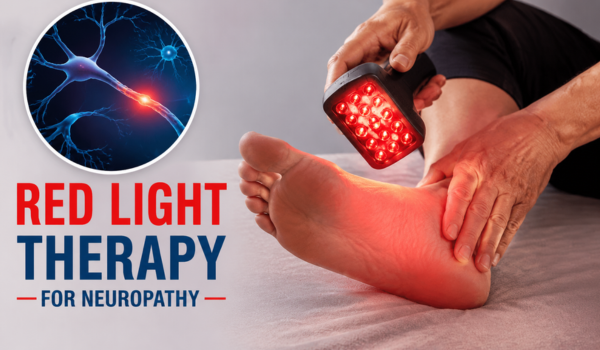

Can It Support Nerve Health and Relief?
Neuropathy is a condition that affects millions of people worldwide, causing discomfort, tingling, numbness, burning sensations, and changes in nerve function.
Many individuals experiencing nerve-related challenges look for supportive approaches that may help improve comfort and overall quality of life. One emerging wellness approach gaining attention is red light therapy for neuropathy.
Red light therapy, also known as photobiomodulation, uses specific wavelengths of light to interact with the body’s cells. Researchers have studied this technology for its potential in supporting cellular activity, circulation, and tissue health.
While it is not considered a replacement for medical care, many people explore red light therapy as part of a broader approach to maintaining nerve and body health.
This article explores how red light therapy works, its possible benefits for neuropathy support, scientific perspectives, safety considerations, and practical ways people use this technology as part of their wellness routine.
What is Neuropathy?
Neuropathy refers to damage or dysfunction involving the peripheral nerves, which are responsible for carrying signals between the brain, spinal cord, and the rest of the body.
When these nerves do not function properly, communication between the body and nervous system may become disrupted.
Peripheral neuropathy most commonly affects the hands and feet, although it can involve other areas of the body. Symptoms may vary depending on the type and severity of nerve involvement.
Common signs of neuropathy may include:
- Tingling or “pins and needles” sensations
- Burning or sharp discomfort
- Numbness or reduced sensitivity
- Muscle weakness
- Increased sensitivity to touch
- Balance difficulties
- Changes in temperature sensation
Several factors may contribute to neuropathy, including metabolic conditions, certain medications, injuries, nutritional concerns, infections, and age-related nerve changes.
Because nerve health is complex, supporting overall wellness often requires multiple strategies, including healthy lifestyle choices, appropriate medical guidance, physical activity, and approaches that promote circulation and cellular function.
What is Red Light Therapy?
Red light therapy is a non-invasive wellness technology that uses specific wavelengths of red and near-infrared light to stimulate biological responses within the body.
During a red light therapy session, specialized devices deliver controlled light energy to targeted areas. The goal is to encourage natural cellular processes associated with energy production, repair, and recovery.
Red light therapy has been studied in areas such as:
- Muscle recovery
- Skin wellness
- Inflammation support
- Circulation support
- Tissue recovery
- Nerve wellness
The main idea behind red light therapy is supporting the body’s natural ability to maintain healthy cellular function.
For individuals exploring red light therapy for neuropathy, the focus is usually on supporting the environment around nerves rather than directly “repairing” damaged nerves overnight.
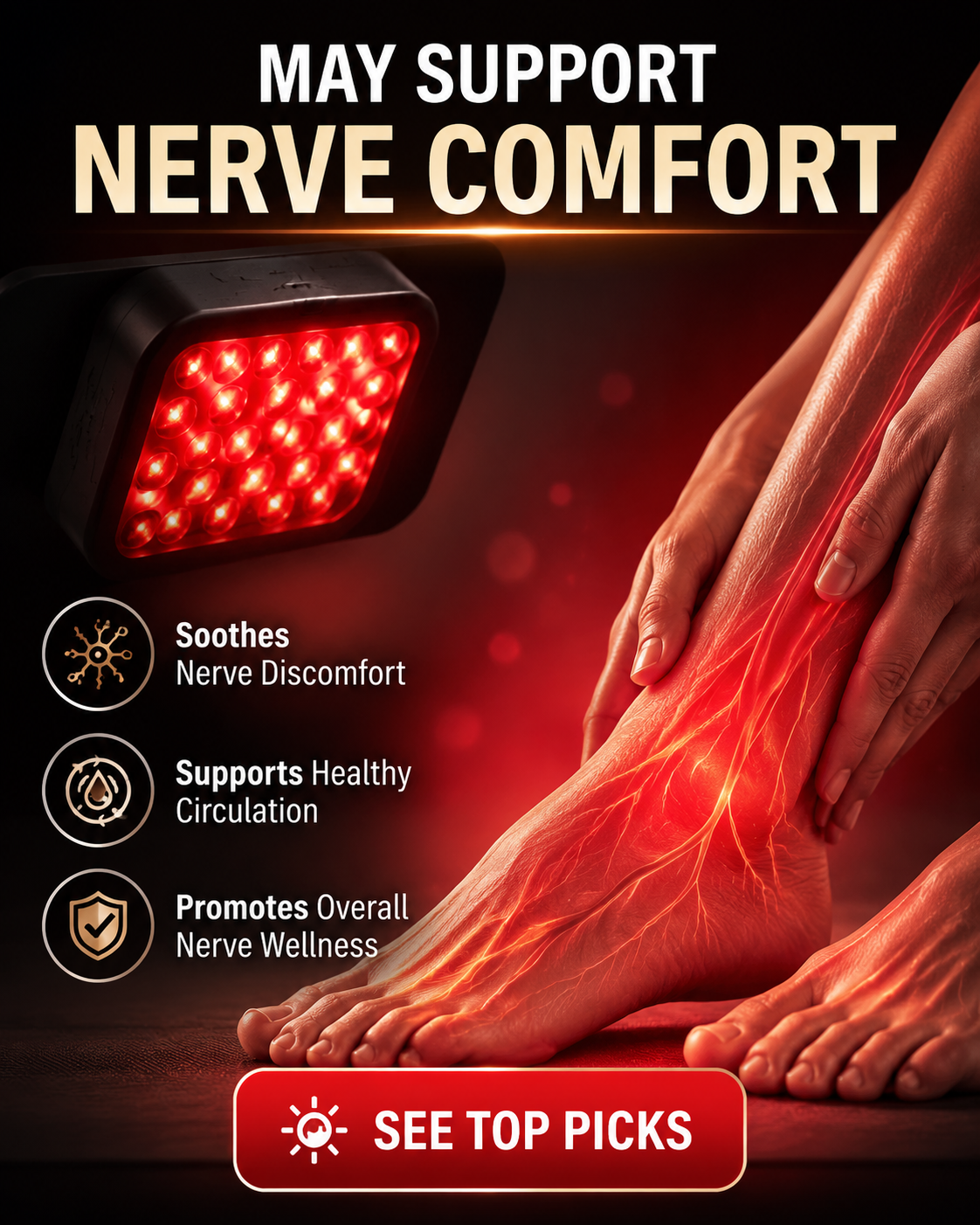
How Does Red Light Therapy for Neuropathy Work?
The relationship between red light therapy and nerve health is connected to how light energy interacts with cells.
When red and near-infrared wavelengths reach body tissues, they may influence cellular activity. Researchers believe several mechanisms may contribute to the potential benefits of photobiomodulation.
Supporting Cellular Energy Production
- Cells require energy to perform essential functions. Mitochondria, often called the power centers of cells, play a major role in producing cellular energy.
- Red light exposure may support mitochondrial activity, helping cells maintain efficient energy production. Since nerve cells require significant energy to communicate properly, supporting cellular energy pathways is an important area of research.
Supporting Healthy Blood Flow
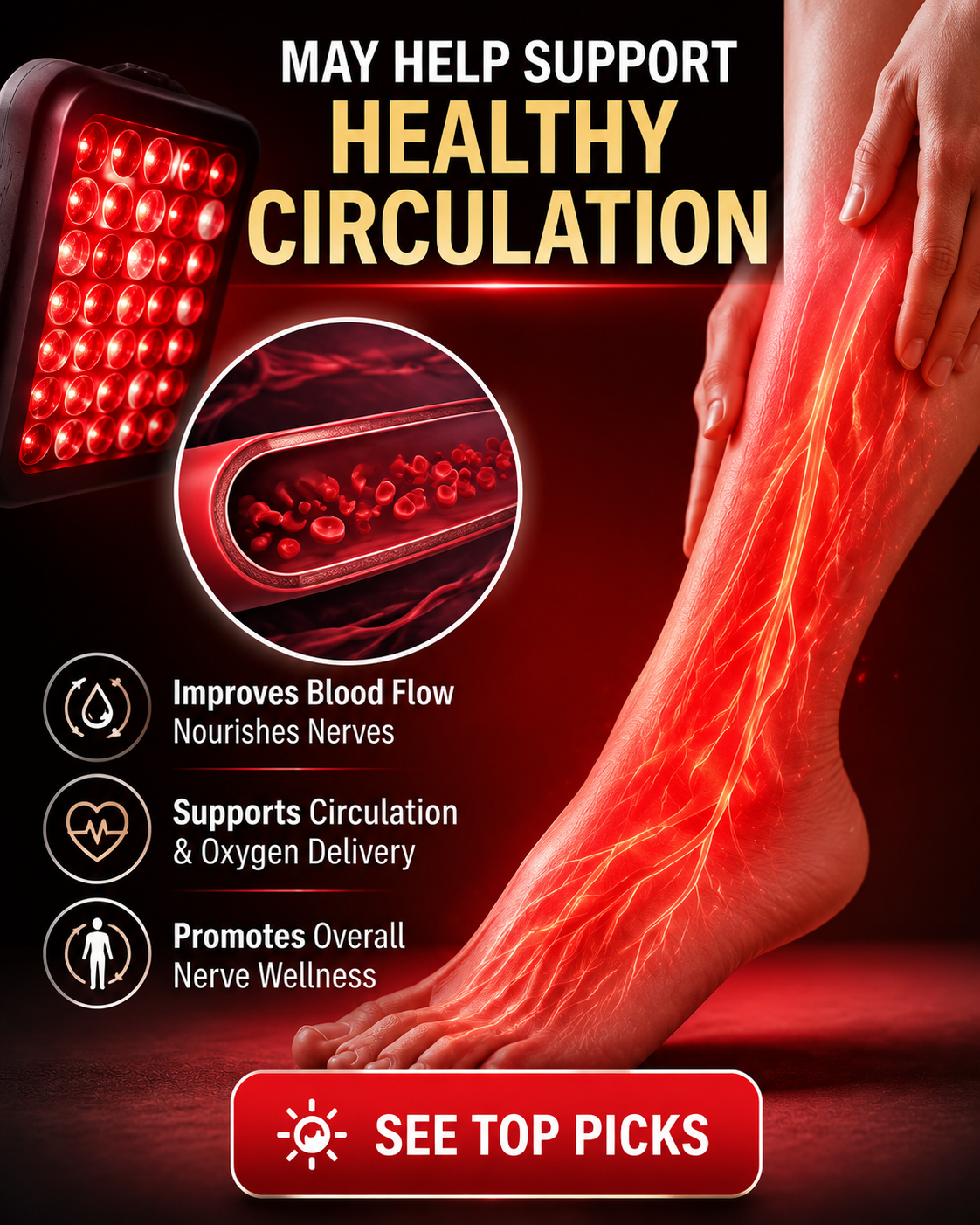
- Healthy circulation plays an important role in delivering oxygen and nutrients throughout the body.
- Red light therapy may support circulation by encouraging vascular responses and improving the environment surrounding tissues. Better circulation may help create conditions that support overall nerve wellness.
Helping Maintain a Balanced Inflammatory Response
- Inflammation is a natural process involved in the body’s response to stress and injury. However, prolonged inflammatory activity may affect tissue comfort and function.
- Research suggests red light therapy may influence inflammatory pathways, potentially helping the body maintain a healthier inflammatory balance.
Supporting Nerve Recovery Environment
- Nerves are delicate structures that require proper support to maintain function. Photobiomodulation research has explored how light therapy may influence nerve cells and surrounding tissues.
- Although more research is needed, early studies suggest that light-based approaches may support processes involved in nerve wellness.
Potential Benefits of Red Light Therapy for Neuropathy
Many people interested in red light therapy for neuropathy are looking for ways to support comfort and daily function. While individual experiences can vary, several potential benefits have been explored.
May Support Nerve Comfort
- One of the main reasons people explore red light therapy is to support comfort in areas affected by neuropathy.
- By promoting cellular activity, circulation, and tissue health, red light therapy may help create conditions for a more comfortable experience.
- Comfort support is one of the most commonly discussed reasons people consider photobiomodulation.
May Help Support Healthy Circulation
- Good circulation is important for delivering oxygen and nutrients to tissues throughout the body.
- Red light therapy may promote healthy blood flow responses, which can support overall tissue health and recovery.
May Support Mobility and Daily Activities
- Neuropathy symptoms may sometimes interfere with movement, exercise, and daily routines.
- By supporting comfort and tissue function, red light therapy may help some individuals maintain an active lifestyle when combined with other healthy habits.
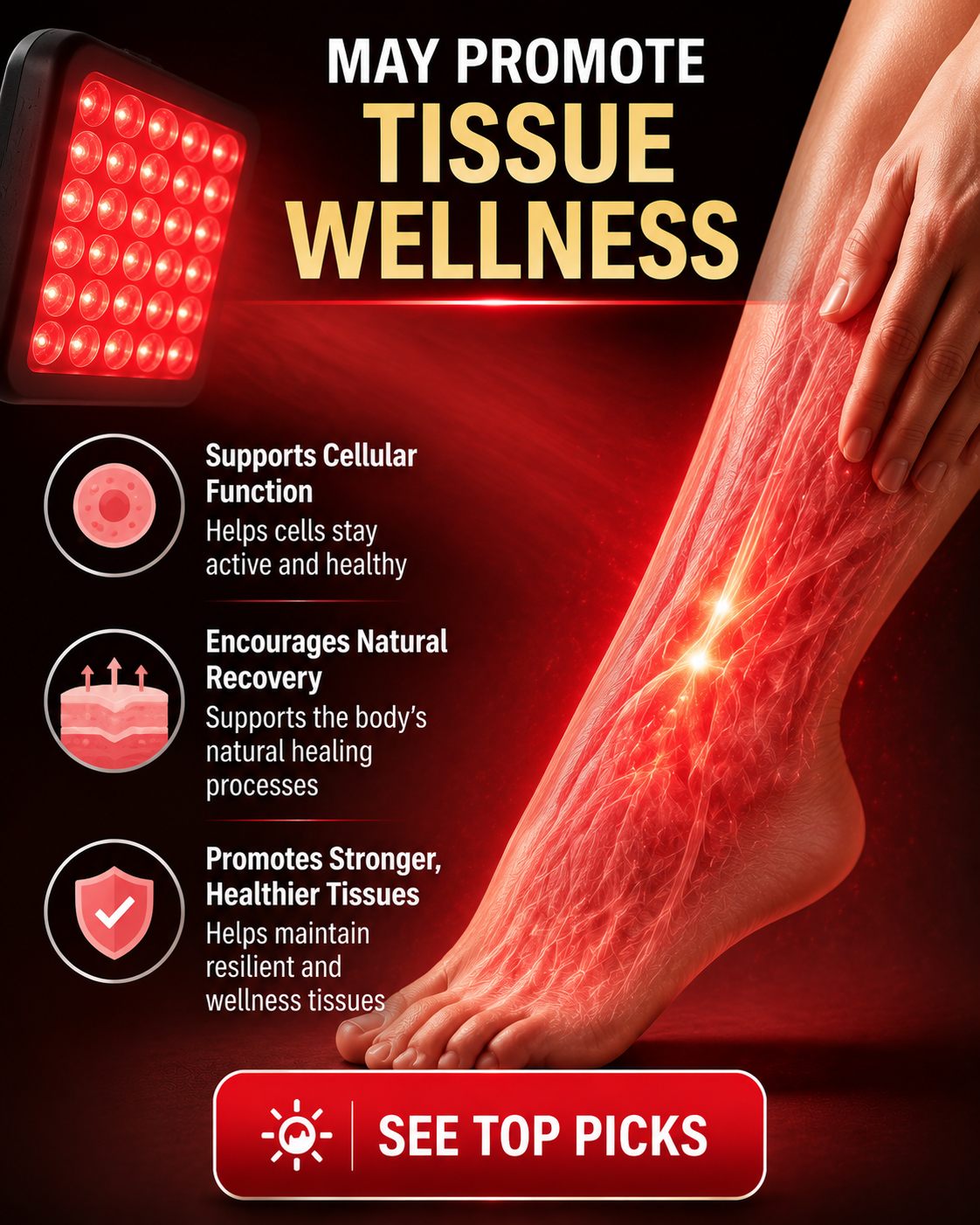
May Promote Tissue Wellness
- Light-based therapies have been studied for their potential role in supporting tissue recovery.
- Red and near-infrared wavelengths may interact with cells involved in maintaining healthy tissue function.
May Support Overall Wellness
- Beyond neuropathy support, many people use red light therapy as part of a general wellness routine.
- Its non-invasive nature and convenient application make it an attractive option for individuals interested in supportive technologies.
Red Light Therapy for Different Types of Neuropathy
Neuropathy can develop from different causes, and the experience may vary from person to person.
Diabetic Neuropathy
- Diabetic neuropathy is one of the most common forms of peripheral nerve problems. It is often associated with long-term blood sugar challenges that affect nerve function.
- People with diabetic neuropathy may explore red light therapy as a supportive option alongside healthy lifestyle management and medical recommendations.
Chemotherapy-Related Neuropathy
- Some individuals undergoing certain cancer treatments experience nerve-related side effects.
- Research continues to investigate supportive approaches that may help improve comfort and quality of life during recovery.
Age-Related Nerve Changes
- As people age, changes in circulation, metabolism, and cellular function may influence nerve health.
- Red light therapy may be considered as part of a broader wellness routine focused on maintaining healthy aging.
How to Use Red Light Therapy for Neuropathy?
The exact approach may depend on the device being used, the targeted area, and individual wellness goals.
General considerations include:
1. Choose the Appropriate Device
- Red light therapy devices come in different forms, including handheld devices, panels, wraps, and targeted treatment systems.
- Selecting a device designed for the intended area can improve convenience and consistency.
2. Follow Recommended Usage Guidelines
- Consistency is important when using light-based wellness technology.
- Most devices provide instructions regarding session duration, distance, and frequency. Following manufacturer recommendations helps ensure proper use.
3. Maintain a Long-Term Wellness Routine
- Red light therapy is generally viewed as a supportive approach rather than an instant solution.
- Combining consistent sessions with healthy nutrition, movement, quality sleep, and professional guidance may provide a more comprehensive wellness strategy.
What Does Research Say About Red Light Therapy and Neuropathy?
Scientific interest in photobiomodulation has increased because of its potential effects on cellular processes.
Research has explored how specific wavelengths of light may influence mitochondrial activity, oxidative stress responses, circulation, and nerve-related pathways.
Some studies have shown promising results for nerve support, but researchers continue to investigate the most effective wavelengths, treatment schedules, and applications.
It is important to understand that research is still developing. Red light therapy may provide supportive benefits for some individuals, but results can vary depending on the underlying cause of neuropathy and personal health factors.
Scientific evidence continues to grow, but red light therapy should be viewed as a complementary wellness approach.
Safety Considerations of Red Light Therapy
One reason many people consider red light therapy is that it is non-invasive and generally well tolerated when used properly.
However, several precautions are important.
Before beginning any new wellness technology, individuals should consider:
- Consulting a healthcare professional if they have an existing medical condition
- Following device instructions carefully
- Avoiding excessive exposure
- Protecting eyes if recommended by the device manufacturer
- Discussing use with a healthcare provider when taking light-sensitive medications
Red light therapy is not intended to replace prescribed treatments or medical advice.
Who May Consider Red Light Therapy for Neuropathy Support?
Red light therapy may appeal to individuals who:
- Want a non-invasive wellness approach
- Are interested in supporting nerve health
- Experience occasional nerve discomfort
- Want to support circulation and tissue wellness
- Prefer technology-based wellness solutions
However, anyone experiencing new, severe, or worsening symptoms should seek professional medical evaluation.
Lifestyle Habits That Support Nerve Wellness
Red light therapy may work best when combined with healthy daily habits.
Maintain Balanced Nutrition
- A nutrient-rich diet supports overall body function and provides essential resources for healthy tissues.
Stay Physically Active
- Regular movement supports circulation, muscle strength, and overall wellness.
Prioritize Quality Sleep
- Sleep plays an important role in recovery, energy balance, and nervous system function.
Manage Stress Levels
- Chronic stress can affect many areas of health. Relaxation practices may support overall well-being.
Monitor Health Conditions
- Managing underlying health factors with professional guidance can be important for protecting long-term nerve wellness.
Common Questions
Is red light therapy a cure for neuropathy?
No. Red light therapy is not considered a cure for neuropathy. It is a supportive wellness approach that may help promote healthy cellular activity and comfort.
How long does red light therapy take to show results?
Results vary between individuals. Some people may notice changes gradually with consistent use, while others may require longer periods of regular sessions.
Is red light therapy painful?
Most people describe red light therapy as comfortable. It typically does not involve heat, needles, or invasive procedures.
Can red light therapy be used at home?
Yes, many home-use red light therapy devices are available. Users should follow product instructions carefully.
Does red light therapy replace medical treatment?
No. It should be considered a complementary approach and not a replacement for professional medical care.
Final Thoughts
Red light therapy for neuropathy is gaining attention as a promising wellness technology that supports cellular health, circulation, and nerve comfort.
While research continues to explore its full potential, many individuals are interested in photobiomodulation as part of a comprehensive approach to maintaining nerve wellness.
The most effective approach to nerve health often includes multiple supportive habits, such as staying active, maintaining healthy lifestyle choices, managing underlying conditions, and working with healthcare professionals when needed.
Red light therapy may offer an additional option for those seeking a non-invasive way to support their overall wellness journey. As scientific understanding continues to develop, this technology remains an interesting area of research for the future of nerve health support.
.
.
.
About the Author