Magnesium for Neuropathy Pain: A Complete Guide to Supporting Nerve Health Naturally! Discover how magnesium may support nerve function, ease neuropathy discomfort, and promote overall nervous system wellness naturally.


Discover how magnesium may support nerve health, neuropathy pain relief, dosage guidance, benefits, food sources, safety tips, and natural approaches.
Neuropathy pain is a common condition that affects millions of people worldwide and occurs when nerves outside the brain and spinal cord become damaged or irritated.
It can lead to uncomfortable symptoms such as burning sensations, tingling, numbness, weakness, sensitivity to touch, or sharp shooting pain, especially in the hands and feet.
Many people experiencing nerve discomfort explore nutritional approaches that may support overall nerve function. One mineral that has gained attention in this area is magnesium, an essential nutrient involved in hundreds of processes throughout the body, including muscle function, energy production, inflammation balance, and nervous system activity.
While magnesium is not considered a cure for neuropathy, maintaining adequate magnesium levels may play a role in supporting normal nerve communication and overall nervous system wellness.
Some researchers and health experts have explored magnesium’s potential relationship with nerve health because of its involvement in processes linked to nerve signaling, oxidative stress protection, and muscle relaxation.
This guide explains the connection between magnesium and neuropathy pain, how magnesium works in the body, potential benefits, recommended intake, food sources, safety considerations, and lifestyle strategies that may complement a healthy nerve-support routine.
What Is Neuropathy Pain?
Neuropathy refers to damage or dysfunction affecting peripheral nerves. These nerves are responsible for carrying messages between the brain, spinal cord, muscles, skin, and internal organs. When these communication pathways become disrupted, people may experience unusual sensations or pain.
Peripheral neuropathy is one of the most common forms of nerve damage. It often affects the feet and hands first because the longest nerves in the body are usually impacted earlier.
Common symptoms of neuropathy may include:
- Burning or prickling sensations
- Tingling feelings (“pins and needles”)
- Numbness or reduced sensation
- Sharp or electric-like pain
- Increased sensitivity to touch
- Muscle weakness
- Balance difficulties
- Changes in temperature sensation
The severity of symptoms can vary widely. Some people experience mild discomfort, while others may deal with persistent pain that affects sleep, movement, and daily activities.
Common Causes of Neuropathy
Neuropathy can develop for many different reasons. Identifying the underlying cause is an important part of managing symptoms and supporting long-term nerve health.
Diabetes-Related Nerve Damage
Diabetes is one of the most common causes of peripheral neuropathy. Consistently elevated blood sugar levels may contribute to damage in small blood vessels that supply nerves, potentially affecting normal nerve function over time.
Diabetic neuropathy commonly affects the feet and legs and may cause burning, tingling, or numbness.
Vitamin and Mineral Deficiencies
Certain nutrients are important for maintaining healthy nerve structure and communication. Deficiencies involving nutrients such as vitamin B12, vitamin B6, and other essential minerals may affect nerve function.
Magnesium is also involved in many processes related to nerve signaling, making adequate intake important for overall nervous system support.
Chemotherapy and Medical Treatments
Some medications, especially certain chemotherapy drugs, may affect peripheral nerves and lead to neuropathy symptoms.
Aging
As people age, natural changes in nerve function may occur. Older adults may have a higher risk of developing nerve-related symptoms due to metabolic changes, nutritional factors, or underlying health conditions.
Injuries and Pressure on Nerves
Physical injuries, repetitive movements, or conditions that place pressure on nerves may contribute to nerve irritation and discomfort.
What Is Magnesium?
Magnesium is an essential mineral required for many important functions throughout the body. It participates in more than 300 biochemical reactions, supporting processes related to energy production, muscle movement, heart rhythm, and nervous system activity.
The body uses magnesium to help regulate:
- Normal nerve signaling
- Muscle contraction and relaxation
- Energy metabolism
- Protein production
- Bone health
- Electrolyte balance
Because the nervous system depends on precise communication between nerve cells, maintaining sufficient magnesium levels may help support normal neurological function.
Magnesium is naturally found in many foods, including leafy green vegetables, nuts, seeds, whole grains, legumes, and some seafood. It is also available through dietary supplements in several forms.
How Magnesium May Support Neuropathy Pain?

Magnesium’s connection with nerve health comes from its role in regulating communication between nerve cells and supporting normal cellular function.
Although more research is needed, specifically on magnesium supplementation for all types of neuropathic pain, several mechanisms suggest why magnesium may be considered part of a broader nerve-support strategy.
⚡ Supports Healthy Nerve Signaling
Nerves communicate through electrical signals. Magnesium helps regulate neurotransmitter activity and supports balanced communication between nerve cells.
When magnesium levels are insufficient, nerve signaling may become affected, potentially contributing to muscle tension, sensitivity, or discomfort.
⚡Helps Maintain Muscle Relaxation
Neuropathy can sometimes be associated with muscle cramps, stiffness, or discomfort. Magnesium plays an important role in normal muscle contraction and relaxation.
Adequate magnesium intake may help maintain healthy muscle function, which can support overall comfort and mobility.
⚡Supports a Balanced Inflammatory Response
Oxidative stress and inflammation may contribute to nerve damage in certain conditions. Magnesium has been studied for its involvement in maintaining normal inflammatory pathways and protecting cells from stress.
Supporting a healthy inflammatory balance may be beneficial for overall nerve wellness.
⚡Supports Energy Production in Nerve Cells
Nerve cells require significant energy to function properly. Magnesium is involved in ATP production, the primary energy source used by cells.
Healthy energy metabolism helps support normal cellular activity throughout the nervous system.
Can Magnesium Help With Neuropathy Pain?
Magnesium may support nerve health, but it is important to understand that it is not a guaranteed treatment or replacement for medical care.
Some people with neuropathy may benefit from correcting a magnesium deficiency or improving overall nutritional intake. However, neuropathy has many different causes, and the effectiveness of magnesium may depend on individual health factors.
People considering magnesium for neuropathy pain should focus on:
- Maintaining adequate magnesium intake
- Addressing the underlying cause of neuropathy
- Following a balanced diet
- Managing blood sugar levels when applicable
- Discussing supplements with a healthcare professional when needed
Magnesium may work best as part of a complete approach that includes healthy lifestyle habits and appropriate medical guidance.
Potential Benefits of Magnesium for Neuropathy Support
1. May Support Normal Nerve Function
Magnesium contributes to healthy nerve communication and may help maintain proper signaling between nerve cells.
2. May Help With Muscle Discomfort
Magnesium supports normal muscle relaxation and may help people experiencing cramps or muscle tightness.
3. Supports Overall Nervous System Health
Adequate magnesium levels contribute to normal nervous system function and overall wellness.
4. May Support Sleep Quality
Some people with neuropathy experience sleep disruption due to discomfort. Magnesium plays a role in relaxation pathways that may support healthy sleep patterns.
5. Helps Maintain Nutritional Balance
A nutrient-rich diet containing magnesium supports overall health and may complement other approaches for nerve wellness.
Best Types of Magnesium for Neuropathy Pain
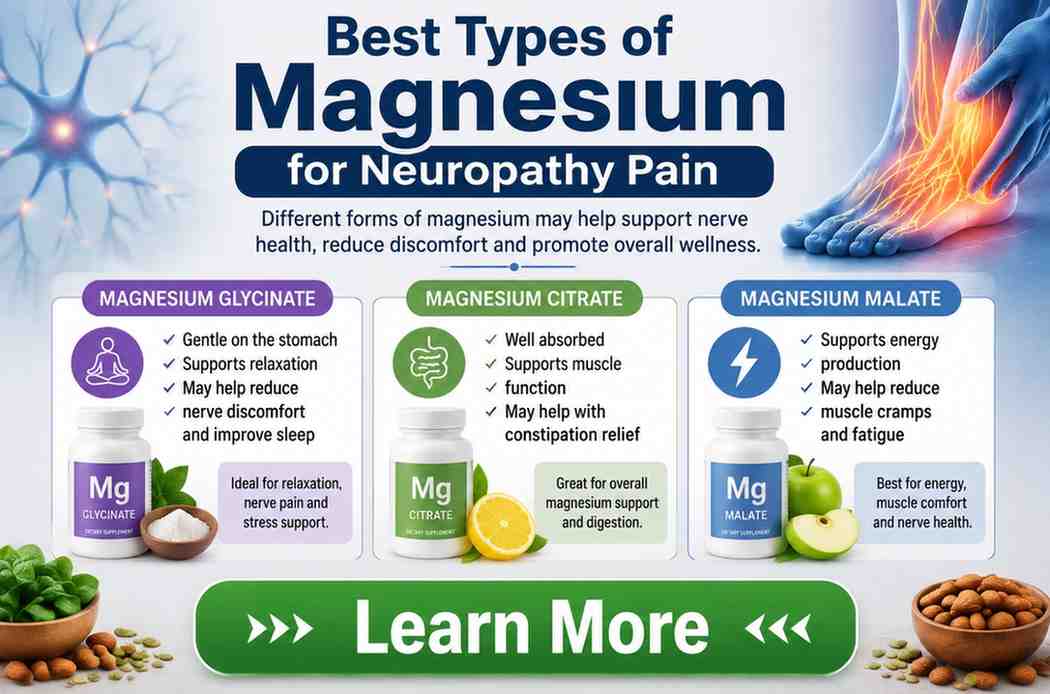
Magnesium supplements are available in several forms, and each type may differ in absorption, purpose, and tolerability. Choosing the right form depends on individual needs, digestive sensitivity, and health goals.
Magnesium Glycinate
Magnesium glycinate is one of the commonly used forms because it is generally considered gentle on the stomach and is often chosen by people looking for a well-tolerated option.
This form combines magnesium with glycine, an amino acid involved in relaxation pathways. Some people prefer magnesium glycinate for supporting relaxation, muscle comfort, and overall nervous system wellness.
Magnesium Citrate
Magnesium citrate is another popular form that is generally well absorbed. It is often used to support magnesium levels and may also have a mild digestive effect.
People with sensitive digestion may need to consider their tolerance, as higher amounts can cause loose stools in some individuals.
Magnesium Malate
Magnesium malate combines magnesium with malic acid, a compound involved in energy production pathways.
Some individuals choose this form because of its connection with cellular energy support and muscle function.
Magnesium Threonate
Magnesium threonate has gained attention for its potential to increase magnesium levels in brain tissue.
Although it is often marketed for cognitive support, more research is needed to fully understand its role in nerve-related conditions such as neuropathy.
Magnesium Oxide
Magnesium oxide contains a high amount of elemental magnesium but may not be absorbed as efficiently compared with some other forms.
It is sometimes used for general supplementation but may not be the preferred choice for people specifically looking for nerve support.
Magnesium Dosage for Neuropathy Pain
The ideal magnesium intake depends on age, sex, diet, health conditions, and individual nutritional needs.
The recommended dietary allowance (RDA) for magnesium varies by age and gender:
| Group | Recommended Daily Magnesium Intake |
| Adult men | Around 400–420 mg daily |
| Adult women | Around 310–320 mg daily |
| Pregnant women | Around 350–360 mg daily |
| Breastfeeding women | Around 310–320 mg daily |
When using magnesium supplements, it is important to consider the amount of elemental magnesium, not just the total weight of the compound.
Many magnesium supplements contain lower amounts of actual magnesium because the mineral is bound to another compound.
People considering magnesium supplements for neuropathy support should:
- Start with a lower amount to assess tolerance
- Follow product instructions
- Avoid exceeding recommended supplemental limits without medical guidance
- Discuss supplementation with a healthcare provider if they have kidney problems or take medications
Magnesium supplementation should complement, not replace, appropriate medical evaluation and treatment.
Magnesium-Rich Foods That May Support Nerve Health
Getting magnesium from food is an excellent way to support overall nutrient intake. A balanced diet provides magnesium along with other vitamins, minerals, fiber, and beneficial plant compounds.
Leafy Green Vegetables
Foods such as spinach, kale, and Swiss chard contain magnesium and other nutrients that support overall health.
Nuts and Seeds
Almonds, pumpkin seeds, chia seeds, and flaxseeds are naturally rich sources of magnesium.
Legumes
Beans, lentils, and chickpeas provide magnesium along with protein and fiber.
Whole Grains
Brown rice, oats, quinoa, and whole wheat products may contribute to daily magnesium intake.
Dark Chocolate
Dark chocolate with a high cocoa percentage contains magnesium along with antioxidant compounds.
Avocados
Avocados provide magnesium, healthy fats, and other nutrients that support a balanced diet.
How Long Does Magnesium Take to Work for Neuropathy?
The time needed to notice changes after improving magnesium intake can vary from person to person.
Factors that may influence results include:
- Existing magnesium levels
- Severity and cause of neuropathy
- Overall diet quality
- Lifestyle habits
- Consistency of use
- Individual health factors
Some people may notice improvements in areas such as muscle relaxation or sleep quality sooner, while nerve-related concerns may require longer-term nutritional support.
Because nerves recover slowly, changes related to nerve health often require patience and a comprehensive approach.
Magnesium Compared With Other Natural Approaches for Neuropathy Support
Magnesium is only one nutritional option that may support nerve wellness. Many people combine healthy lifestyle habits with different nutrients and supportive approaches.
| Approach | How It May Support Nerve Health |
| Magnesium | Supports nerve signaling, muscle function, and mineral balance |
| Vitamin B12 | Supports healthy nerve structure and communication |
| Alpha-lipoic acid | Studied for antioxidant support and nerve comfort |
| Regular exercise | Supports circulation and overall metabolic health |
| Healthy diet | Provides essential nutrients needed for normal nerve function |
A healthcare professional can help determine which approaches are appropriate based on the underlying cause of neuropathy.
Possible Side Effects of Magnesium Supplements
Magnesium is generally considered safe when taken appropriately, but supplements may cause side effects in some individuals.
Possible side effects may include:
- Diarrhea
- Stomach discomfort
- Nausea
- Abdominal cramping
These effects are more common when taking larger amounts or certain forms of magnesium.
Choosing a well-tolerated form and taking magnesium with food may help reduce digestive discomfort.
Who Should Be Careful With Magnesium?
Although magnesium is an important mineral, some people should speak with a healthcare professional before starting supplementation.
Extra caution may be needed for individuals who:
- Have kidney disease
- Take medications that affect magnesium levels
- Use certain antibiotics or medications that interact with minerals
- Have complex medical conditions
The kidneys help remove excess magnesium from the body, so reduced kidney function may increase the risk of magnesium buildup.
Lifestyle Tips That May Support Neuropathy Wellness
Magnesium works best as part of a broader healthy lifestyle approach. Several daily habits may help support nerve health and overall wellness.

Maintain Healthy Blood Sugar Levels
For people with diabetes-related neuropathy, keeping blood sugar within a healthy range may help protect nerves and reduce further damage.
Balanced meals, regular activity, and medical guidance can support better glucose management.
Stay Physically Active
Gentle movement such as walking, stretching, swimming, or low-impact exercises may support circulation and mobility.
Exercise may also help maintain muscle strength and overall physical function.
Eat a Nutrient-Rich Diet
A diet containing vegetables, fruits, lean proteins, healthy fats, whole grains, and mineral-rich foods provides nutrients needed for overall health.
Prioritize Quality Sleep
Poor sleep can worsen pain perception. Creating a consistent sleep routine may support recovery and overall wellness.
Avoid Smoking
Smoking may impair circulation and overall vascular health, both of which are important for nerve function.
Limit Excessive Alcohol Consumption
Heavy alcohol use may contribute to nerve damage. Reducing alcohol intake may support long-term nerve health.
Frequently Asked Questions About Magnesium for Neuropathy Pain
Can magnesium cure neuropathy?
No, magnesium does not cure neuropathy. However, maintaining adequate magnesium levels may support normal nerve function and overall nervous system health.
What type of magnesium is best for nerve pain?
Magnesium glycinate, citrate, malate, and other forms are commonly used. The best option depends on individual tolerance, nutritional needs, and health goals.
Can magnesium deficiency cause nerve problems?
Low magnesium levels may affect normal nerve and muscle function. However, neuropathy usually has multiple possible causes and should be evaluated by a healthcare professional.
How much magnesium should I take for neuropathy?
There is no specific magnesium dosage proven to treat neuropathy. Daily needs vary, and supplement amounts should be based on dietary intake and professional guidance.
Can magnesium help diabetic neuropathy?
Magnesium may support overall metabolic and nerve health, but it does not replace diabetes management or medical treatment for diabetic neuropathy.
Is magnesium safe every day?
For most healthy adults, magnesium is generally safe when used appropriately. People with kidney conditions or medication concerns should consult a healthcare provider.
Can magnesium improve tingling and numbness?
Magnesium may support healthy nerve function, but tingling and numbness can have many causes. Persistent symptoms should be evaluated.
What foods contain the most magnesium?
Pumpkin seeds, almonds, spinach, beans, lentils, dark chocolate, and whole grains are among foods naturally rich in magnesium.
Final Thoughts: Is Magnesium Worth Considering for Neuropathy Pain?
Magnesium is an essential mineral that plays an important role in nerve communication, muscle function, energy production, and overall wellness.
Because of its involvement in nervous system processes, maintaining adequate magnesium levels may be a helpful part of a healthy lifestyle approach for individuals concerned about neuropathy symptoms.
While magnesium may support nerve health, it is not a guaranteed solution or replacement for medical treatment. Neuropathy can result from many different conditions, including diabetes, nutrient deficiencies, medications, and injuries, so addressing the underlying cause remains important.
A balanced diet rich in magnesium-containing foods, regular physical activity, healthy blood sugar management, quality sleep, and appropriate medical care can all contribute to better nerve wellness.
For individuals interested in using magnesium supplements, choosing a suitable form and discussing personal health considerations with a qualified healthcare professional may help ensure safe and effective use.
In summary, magnesium may provide nutritional support for healthy nerve function and could be a valuable addition to a comprehensive approach focused on maintaining comfort, mobility, and overall nervous system health.
.
About the Author