Does Sermorelin Make You Sleepy? Sleep Effects Explained
Does Sermorelin Make You Sleepy – (🌙 SLEEP EFFECTS & FACTS!). Learn why tiredness may occur and what to expect during use.


Understanding Fatigue, Sleep Effects, and What to Expect
Many people researching Sermorelin therapy have one common question: “Does Sermorelin make you sleepy?” This concern is understandable because hormone-related treatments can affect energy levels, sleep patterns, and how the body feels throughout the day.
Sermorelin is a peptide therapy that works by encouraging the body’s natural production of growth hormone. Since growth hormone plays an important role in sleep, recovery, metabolism, and overall wellness, some people wonder whether Sermorelin may cause daytime tiredness or excessive sleepiness.
The short answer is that Sermorelin does not typically make people sleepy during the day. In fact, many individuals report improved sleep quality, better recovery, and increased energy over time. However, some people may experience temporary fatigue, changes in sleep patterns, or tiredness when beginning therapy as their body adjusts.
Understanding how Sermorelin works, why tiredness may occur, and what results to expect can help you make a more informed decision about whether this therapy is right for you.
What is Sermorelin?
Sermorelin is a peptide therapy designed to support the body’s natural production of growth hormone. Instead of directly providing growth hormone, Sermorelin works by stimulating the pituitary gland, which is responsible for releasing growth hormone naturally.
Growth hormone plays several important roles in the body, including supporting:
➤Muscle maintenance and recovery
➤Healthy metabolism
➤Tissue repair
➤Energy regulation
➤Sleep-related processes
➤Overall physical wellness
As people age, natural growth hormone production gradually declines. This reduction may be associated with changes such as lower energy levels, reduced muscle strength, slower recovery after exercise, and changes in sleep quality.
Sermorelin is often discussed as a therapy option for individuals looking to support healthy hormone balance and improve aspects of wellness associated with declining growth hormone levels.
Because growth hormone release is closely connected with nighttime sleep cycles, many people specifically ask whether Sermorelin will make them feel tired, sleepy, or sluggish.
Does Sermorelin Make You Sleepy?
For most people, Sermorelin does not cause excessive sleepiness or daytime drowsiness.
Sermorelin is generally taken at night because the body naturally releases more growth hormone during deep sleep. By supporting this natural process, Sermorelin may actually help promote healthier sleep patterns.
Some individuals report benefits such as:
- Falling asleep more easily
- More restful sleep
- Improved nighttime recovery
- Feeling more refreshed in the morning
However, everyone responds differently to peptide therapy. During the adjustment period, some people may notice temporary tiredness, changes in sleep habits, or mild fatigue.
This does not necessarily mean Sermorelin is causing a negative reaction. The body may simply be adapting to changes in hormone signaling and sleep-related processes.

Why Do Some People Feel Tired After Starting Sermorelin?
Although Sermorelin is not commonly associated with daytime sleepiness, a few factors may explain why some people experience fatigue.
1. The Body Is Adjusting to Hormonal Changes
When beginning any hormone-related therapy, the body may require time to adapt.
Sermorelin influences the communication between the brain, pituitary gland, and growth hormone pathways. During this adjustment period, some people may temporarily experience:
- Mild fatigue
- Changes in sleep duration
- Lower energy levels
- Feeling different than usual
These effects are often temporary as the body adjusts to the new routine.
2. Changes in Sleep Cycles
- Sermorelin is closely connected with natural growth hormone release during deep sleep.
- Some people may notice changes in their sleep patterns when starting therapy. For example, they may experience deeper sleep or more vivid dreams.
- Because sleep cycles are changing, some individuals may feel slightly different during the day until their sleep schedule stabilizes.
- Better nighttime recovery does not always immediately translate into daytime energy. The body may need time to establish a new balance.
3. Timing of the Dose
- Sermorelin is commonly used before bedtime because growth hormone release naturally occurs during sleep.
- Taking Sermorelin at an appropriate time may help align with the body’s natural rhythms.
- If someone experiences unusual daytime tiredness, discussing dose timing with a healthcare provider may help determine whether adjustments are needed.
4. Individual Health Factors
Fatigue is influenced by many factors beyond Sermorelin, including:
- Sleep quality
- Stress levels
- Nutrition
- Exercise habits
- Hydration
- Existing hormone levels
- Overall health status
Someone who begins Sermorelin while dealing with poor sleep habits or high stress may still experience tiredness unrelated to the therapy itself.
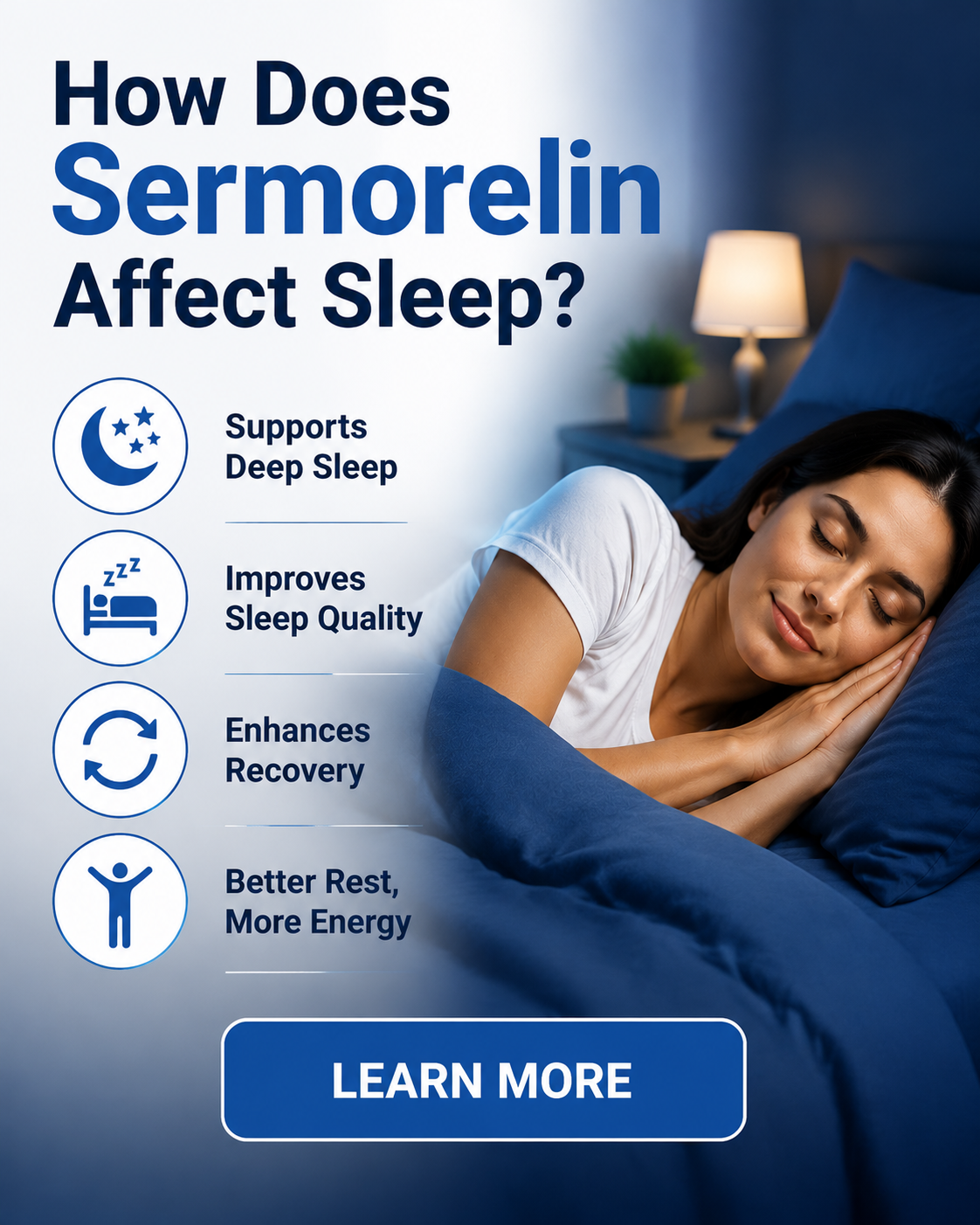
How Does Sermorelin Affect Sleep?
One reason people ask, “Does Sermorelin make you sleepy?” is because growth hormone and sleep are strongly connected.
The body naturally releases growth hormone in pulses, especially during deep stages of sleep. This hormone helps support processes involved in:
- Muscle repair
- Cellular recovery
- Metabolic function
- Tissue maintenance
By supporting natural growth hormone signaling, Sermorelin may help improve aspects of sleep quality for some individuals.
Potential sleep-related benefits people may notice include:
More Restful Sleep
- Some users report waking up feeling more refreshed after consistent use. Improved sleep quality may support better daytime energy.
Better Recovery
- Deep sleep is important for physical recovery. Supporting healthy growth hormone activity may complement recovery from exercise and daily stress.
Improved Sleep Routine
- Because Sermorelin is often used at night, it may encourage a consistent bedtime routine, which can positively influence overall sleep habits.
Is Feeling Sleepy a Side Effect of Sermorelin?
Sleepiness is not considered one of the most common effects associated with Sermorelin.
However, some people may experience mild symptoms while adjusting, including:
- Temporary tiredness
- Headache
- Injection-site discomfort
- Mild dizziness
- Changes in sleep patterns
The severity and duration of these effects can vary from person to person.
If persistent fatigue occurs after starting Sermorelin, it is important to discuss it with a qualified healthcare provider. They can evaluate whether the tiredness is related to Sermorelin or another underlying factor.
When Does Sermorelin Usually Start Working?
Sermorelin does not typically create instant changes in energy or sleep. The body gradually responds as natural growth hormone signaling is supported.
Some individuals may notice early changes within several weeks, while other benefits may become more noticeable over a longer period.
Factors that influence results include:
- Age
- Lifestyle habits
- Sleep quality
- Exercise routine
- Individual hormone levels
- Consistency with therapy
Maintaining healthy daily habits can support better outcomes.
Does Sermorelin Give You More Energy?
Many people interested in Sermorelin are looking for improved energy and recovery.
While results vary, some individuals report feeling:
- More energetic
- Better recovered after activity
- More physically capable
- Improved overall wellness
These effects may occur because growth hormone plays a role in multiple systems involved with recovery and metabolism.
However, Sermorelin is not a stimulant and does not work like caffeine or energy supplements. Instead, it supports natural hormone pathways that influence long-term wellness.
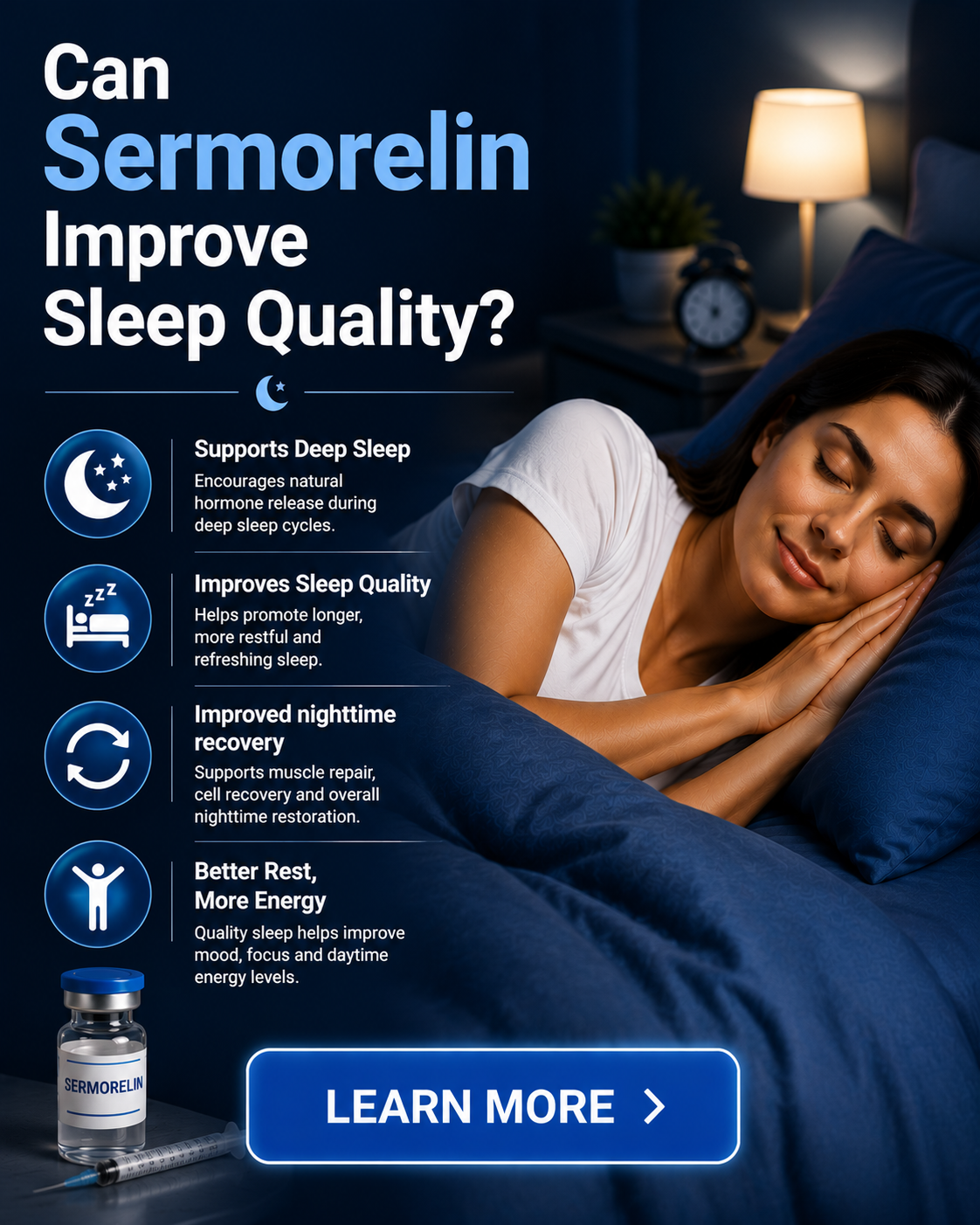
Can Sermorelin Improve Sleep Quality?
Sermorelin may support healthier sleep patterns for some individuals because of the relationship between growth hormone and deep sleep.
Quality sleep is essential for:
- Physical recovery
- Mental focus
- Mood balance
- Energy regulation
- Overall health
Some people using Sermorelin report improved sleep quality, while others may notice little change. The response depends on individual factors, including baseline hormone levels and existing sleep habits.
Tips to Support Better Sleep While Using Sermorelin
If you are using Sermorelin and want to support healthy sleep, consider these lifestyle habits:
Maintain a Consistent Sleep Schedule
- Going to bed and waking up at similar times each day helps regulate the body’s internal clock.
Create a Relaxing Night Routine
- Reducing screen time, practicing relaxation techniques, and creating a comfortable sleep environment may improve sleep quality.
Exercise Regularly
- Physical activity supports healthy metabolism, recovery, and sleep patterns.
Focus on Balanced Nutrition
- A nutrient-rich diet supports overall wellness and helps the body function properly.
Manage Stress
- Chronic stress can interfere with sleep quality and daytime energy.
Who Should Talk to a Healthcare Provider Before Using Sermorelin?
Sermorelin therapy should be discussed with a qualified healthcare professional before starting.
A provider can help evaluate:
- Medical history
- Current medications
- Hormone levels
- Health goals
- Potential risks and benefits
Anyone experiencing unusual or persistent fatigue should seek professional guidance to determine the underlying cause.
Frequently Asked Questions
Does Sermorelin make you tired during the day?
Sermorelin does not usually cause daytime tiredness. Some people may experience temporary fatigue while their body adjusts to changes in hormone signaling.
Should Sermorelin be taken at night?
Sermorelin is commonly used at night because natural growth hormone release typically occurs during sleep.
Can Sermorelin improve sleep?
Some people report better sleep quality while using Sermorelin because growth hormone activity is connected with deep sleep cycles.
How long does Sermorelin fatigue last?
If temporary tiredness occurs, it may improve as the body adjusts. Persistent fatigue should be discussed with a healthcare provider.
Does Sermorelin increase energy?
Some individuals report improved energy and recovery over time, although results vary depending on lifestyle and individual factors.
Can Sermorelin cause insomnia?
Although uncommon, some individuals may notice changes in sleep patterns. Discuss unusual sleep changes with a healthcare professional.
Is Sermorelin a sleep medication?
No. Sermorelin is not designed as a sleep medication. It works by supporting natural growth hormone release.
Does Sermorelin affect deep sleep?
Because growth hormone is naturally released during deep sleep, Sermorelin may influence sleep-related hormone patterns.
Why do I feel tired after taking Sermorelin?
Temporary tiredness may occur due to adjustment, dose timing, lifestyle factors, or other health conditions.
Does everyone respond the same way to Sermorelin?
No. Individual responses can vary based on age, health status, lifestyle, and hormone levels.
Final Thoughts
So, does Sermorelin make you sleepy? For most people, the answer is no. Sermorelin is not typically associated with daytime drowsiness and may actually support healthier sleep patterns by encouraging natural growth hormone activity.
Some individuals may experience temporary fatigue when starting therapy, but this often improves as the body adapts. Understanding your own health needs, maintaining healthy lifestyle habits, and working with a qualified healthcare provider can help create the best experience with Sermorelin.
If you are considering Sermorelin and are concerned about sleepiness, energy changes, or potential side effects, a personalized consultation can help determine whether this therapy aligns with your wellness goals.
About the Author