⚡Microdosing Tirzepatide Side Effects: 🔥( What You Need to Know Before Trying a Lower Dose Approach )


Introduction: Understanding Microdosing Tirzepatide and Its Potential Side Effects
Tirzepatide has quickly become one of the most talked-about medications in the world of metabolic health and weight management.
Originally developed as a treatment for type 2 diabetes, this injectable medication has gained significant attention because of its ability to support blood sugar control, appetite regulation, and weight loss.
As more people explore different ways to use tirzepatide, a growing trend known as microdosing tirzepatide has emerged.
Microdosing tirzepatide refers to using a smaller-than-standard dose of the medication in an attempt to achieve some benefits while potentially reducing unwanted effects.
Some individuals are interested in this approach because they experience sensitivity to regular doses, want a slower adjustment period, or hope to maintain results with less medication. However, questions about microdosing tirzepatide side effects are becoming increasingly common as more people consider this alternative dosing strategy.
While lower doses may seem appealing, microdosing tirzepatide is not the same as an officially approved dosing method. The medication was studied and approved using specific dosing schedules designed through clinical research. Changing the dose without medical guidance may affect effectiveness, safety, and long-term outcomes.
Understanding the possible side effects, benefits, limitations, and safety considerations of microdosing tirzepatide can help individuals make more informed decisions.
This comprehensive guide explains what microdosing tirzepatide means, why people try it, what side effects may occur, and what factors to consider before making any changes.
What Is Microdosing Tirzepatide?
Microdosing generally means taking a very small amount of a substance compared with a typical or standard dose. The concept has become popular in several areas of health and wellness, where people attempt to find a balance between effectiveness and tolerability.
When discussing tirzepatide, microdosing usually refers to taking a dose lower than the commonly prescribed starting or maintenance amounts. Some people use the term to describe extremely small doses, while others use it to describe slower dose increases or extended periods at lower strengths.
Tirzepatide is designed to work gradually by activating two important hormone pathways:
- GLP-1 (glucagon-like peptide-1)
- GIP (glucose-dependent insulinotropic polypeptide)
These hormones naturally help regulate appetite, digestion, insulin release, and metabolism. By mimicking these hormones, tirzepatide can influence hunger signals, improve glucose management, and support weight reduction.
The standard medical approach typically involves starting at a lower dose and gradually increasing over time. This gradual increase is intended to help the body adjust and reduce digestive-related side effects.
Microdosing differs because individuals may remain at a very low dose for longer periods or use doses below typical treatment levels. Some people believe this allows them to experience benefits with fewer side effects, but more research is needed to understand the effectiveness and safety of this approach.
Why Are People Interested in Microdosing Tirzepatide?
Interest in microdosing tirzepatide has increased for several reasons. Many individuals who use GLP-1 medications report noticeable benefits but also experience side effects, especially during dose increases.
Some common reasons people explore microdosing include:

1. Managing Digestive Side Effects
One of the main reasons people consider lower doses is to reduce gastrointestinal discomfort. Tirzepatide affects digestion and appetite signals, which can sometimes lead to symptoms such as:
- Nausea
- Feeling overly full
- Constipation
- Diarrhea
- Stomach discomfort
Some users believe that maintaining a smaller dose may make these effects easier to tolerate.
2. Gradual Body Adjustment
Everyone responds differently to medications. Some people adjust quickly, while others may feel more sensitive to changes.
A lower-dose approach may seem attractive to individuals who prefer a slower adjustment period before increasing medication levels.
3. Maintaining Weight Management Progress
Some individuals who have reached their desired weight goals may wonder whether they need the same dose used during active weight loss.
They may consider lower dosing as a possible maintenance strategy. However, the appropriate maintenance approach should always be discussed with a healthcare provider.
4. Reducing Medication Costs
Tirzepatide can be expensive, especially for individuals without insurance coverage. Some people explore lower doses because they hope to reduce overall medication expenses.
However, taking less medication than prescribed may not always provide the intended health benefits.
How Does Tirzepatide Work in the Body?
To understand microdosing tirzepatide side effects, it is important to understand how the medication works.
Tirzepatide belongs to a class of medications known as incretin-based therapies. It activates both GLP-1 and GIP receptors, creating effects that influence metabolism and appetite.
Appetite Regulation
Tirzepatide interacts with areas of the body involved in hunger and fullness signals. Many users experience reduced cravings and decreased appetite.
Because appetite changes can be significant, some people may unintentionally eat less than their body needs, which can contribute to:
- Low energy
- Reduced nutrient intake
- Difficulty maintaining adequate protein consumption
Slower Digestion
One major effect of tirzepatide is slowing stomach emptying. This can help people feel full longer after eating.
However, slower digestion may also contribute to side effects such as:
- Bloating
- Nausea
- Constipation
- Feeling uncomfortable after meals
Blood Sugar Regulation
Tirzepatide helps improve insulin sensitivity and supports the body’s ability to regulate blood glucose levels.
For people with diabetes, this effect can be beneficial. However, blood sugar changes may require monitoring, especially when combined with other diabetes medications.
Common Microdosing Tirzepatide Side Effects
Even at lower doses, tirzepatide may cause side effects. Microdosing does not guarantee that side effects will disappear because individual reactions depend on factors such as metabolism, health status, diet, hydration, and other medications.
Below are some of the most commonly reported side effects associated with tirzepatide use.
➥ Nausea
Nausea is one of the most frequently reported side effects of tirzepatide.
It may occur because the medication slows digestion and changes appetite-related signals. Some people experience mild nausea when starting treatment or after increasing their dose.
Possible ways people manage nausea include:
- Eating smaller meals
- Avoiding very fatty foods
- Drinking enough fluids
- Eating slowly
- Choosing easier-to-digest foods
Even with microdosing, nausea may still occur because the medication continues affecting digestive pathways.
➥ Constipation
Constipation can occur because tirzepatide slows movement through the digestive system.
Signs may include:
- Fewer bowel movements
- Hard stools
- Abdominal discomfort
- Bloating
Supporting digestive health through adequate water intake, fiber-rich foods, and regular movement may help some individuals.
However, persistent constipation should be discussed with a healthcare professional.
➥ Diarrhea
While some people experience constipation, others may experience diarrhea.
Changes in digestion, food intake, and gut movement can contribute to loose stools.
Managing diarrhea may involve:
- Staying hydrated
- Avoiding foods that worsen symptoms
- Monitoring changes after dose adjustments
➥ Reduced Appetite
A decrease in appetite is often considered one of tirzepatide’s desired effects, especially for individuals using it for weight management.
However, appetite suppression can become problematic if someone is consistently not consuming enough:
- Calories
- Protein
- Essential nutrients
Very low food intake may contribute to:
- Fatigue
- Weakness
- Muscle loss
- Nutritional deficiencies
A balanced eating plan is important while using appetite-regulating medications.
➥ Fatigue or Low Energy
Some individuals report feeling tired while adjusting to tirzepatide.
Possible reasons may include:
- Eating fewer calories
- Changes in blood sugar
- Dehydration
- Reduced carbohydrate intake
Maintaining proper nutrition, hydration, and sleep habits can support overall energy levels.
➥ Bloating and Gas
Because tirzepatide affects digestion speed, some people experience:
- Increased fullness
- Gas
- Abdominal pressure
- Bloating
Eating smaller portions and avoiding overeating may reduce discomfort for some users.
Less Common Microdosing Tirzepatide Side Effects
While many side effects associated with tirzepatide involve digestion, some individuals may experience other reactions. Even at a lower dose, the medication can still affect multiple systems in the body.
Understanding these possible effects can help users recognize changes early and seek appropriate medical advice when needed.
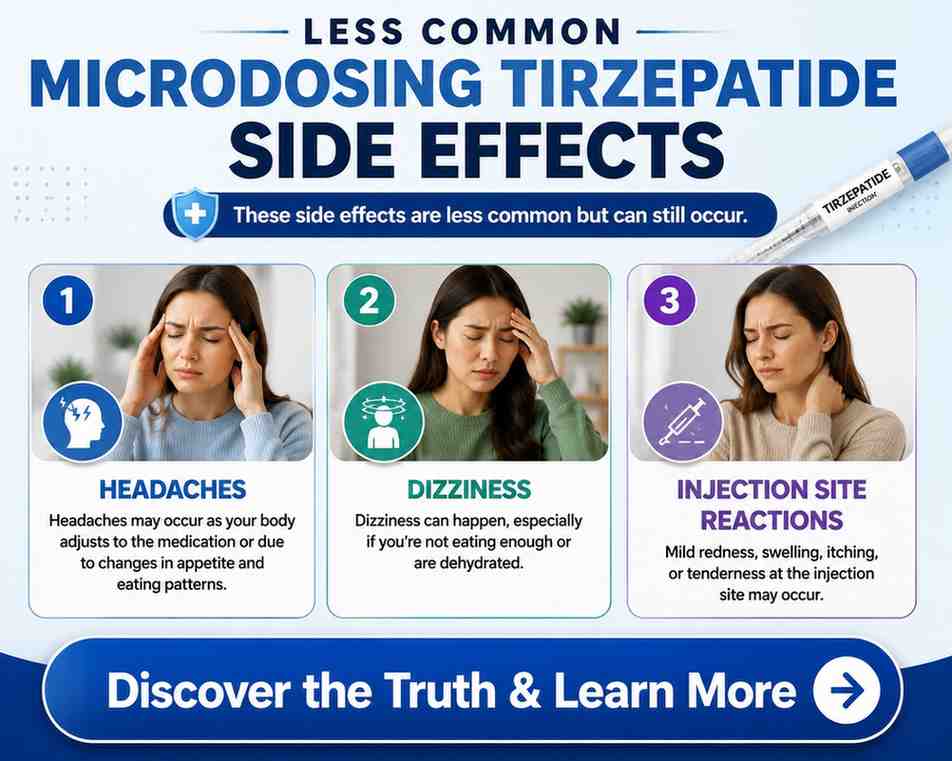
➥ Injection Site Reactions
Because tirzepatide is administered through a subcutaneous injection, some people may notice mild reactions where the medication is injected.
Possible injection site reactions include:
- Redness
- Mild swelling
- Itching
- Tenderness
- Small irritation around the injection area
These reactions are usually temporary and often improve within a short period.
Rotating injection locations may help reduce repeated irritation. Common injection areas include the abdomen, thigh, or upper arm, depending on healthcare provider recommendations.
If injection site reactions become severe, painful, or continue worsening, medical advice should be obtained.
➥ Headaches
Some individuals report headaches while adjusting to tirzepatide.
Headaches may occur due to several factors, including:
- Reduced food intake
- Dehydration
- Changes in blood sugar levels
- Body adjustment to medication effects
People using microdosing tirzepatide may still experience headaches because even a small amount of medication can influence appetite and metabolism.
Maintaining hydration and consuming balanced meals may support overall comfort.
➥ Dizziness
Dizziness is another possible side effect, especially when appetite decreases significantly or calorie intake becomes too low.
Potential causes may include:
- Low blood sugar
- Dehydration
- Rapid changes in eating patterns
- Reduced electrolyte intake
Individuals experiencing frequent dizziness should speak with a healthcare professional to determine the underlying cause.
➥ Acid Reflux or Heartburn
Some users experience changes in digestion that may contribute to:
- Acid reflux
- Heartburn
- Burping
- Stomach discomfort
Since tirzepatide slows stomach emptying, food may remain in the stomach longer, which can contribute to reflux symptoms in some individuals.
Eating smaller meals and avoiding lying down immediately after eating may help reduce discomfort.
Serious Potential Side Effects of Tirzepatide
Although uncommon, tirzepatide may cause serious side effects that require medical attention. Lower doses may reduce exposure, but they do not completely eliminate risk.
Anyone considering microdosing tirzepatide should understand these potential concerns.
⚡Pancreatitis Risk
One of the serious concerns associated with medications in the incretin class is the possibility of pancreatitis, or inflammation of the pancreas.
Symptoms that may require urgent medical evaluation include:
- Severe abdominal pain
- Pain that spreads to the back
- Persistent vomiting
- Severe nausea
- Fever
Although pancreatitis is considered uncommon, recognizing warning signs is important.
⚡Gallbladder Problems
Weight loss itself can increase the risk of gallbladder-related issues, and medications that support significant weight reduction may be associated with gallbladder complications.
Possible symptoms include:
- Upper abdominal pain
- Fever
- Nausea
- Vomiting
- Yellowing of the skin or eyes
Anyone experiencing these symptoms should seek medical advice.
⚡Low Blood Sugar (Hypoglycemia)
Tirzepatide alone may have a lower risk of causing dangerously low blood sugar compared with some diabetes medications. However, the risk may increase when combined with insulin or certain other glucose-lowering treatments.
Symptoms of low blood sugar may include:
- Shaking
- Sweating
- Confusion
- Hunger
- Weakness
- Dizziness
People using diabetes medications should always discuss dose adjustments with their healthcare provider.
⚡Severe Allergic Reactions
Although rare, allergic reactions can occur.
Signs of a serious allergic reaction may include:
- Difficulty breathing
- Swelling of the face, lips, or throat
- Severe rash
- Rapid heartbeat
Immediate medical care is necessary if these symptoms occur.
Does Microdosing Tirzepatide Reduce Side Effects?
A major reason people consider microdosing tirzepatide is the belief that smaller amounts may produce fewer side effects.
A lower dose may reduce the intensity of certain reactions for some individuals because the body is exposed to less medication. However, this does not guarantee that side effects will disappear.
Several factors influence how someone responds, including:
- Individual metabolism
- Existing health conditions
- Diet quality
- Hydration levels
- Other medications
- Duration of use
- Dose changes
For example, one person may tolerate a standard dose without problems, while another person may experience nausea even at a smaller amount.
The relationship between dose and side effects is individual. A healthcare professional can help determine the safest approach based on personal health needs.
Microdosing Tirzepatide vs Standard Tirzepatide Dosing
Understanding the difference between microdosing and traditional dosing can help clarify expectations.
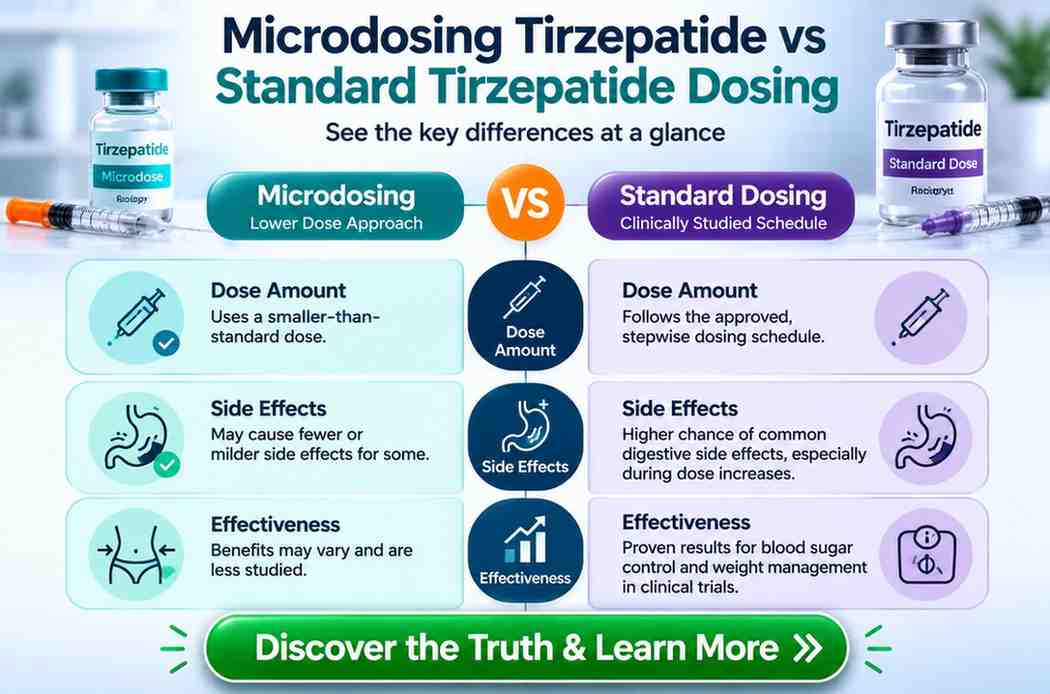
| Feature | Microdosing Tirzepatide | Standard Tirzepatide Dosing |
| Dose Amount | Lower than typical prescribed amounts | Based on approved dosing schedules |
| Main Goal | Improve tolerance or maintain effects | Achieve clinically studied outcomes |
| Research Support | Limited direct research | Supported by clinical trials |
| Side Effects | May be reduced for some people | Known and monitored through studies |
| Effectiveness | May vary significantly | Established effectiveness |
| Medical Guidance | Strongly recommended | Required for prescription use |
Microdosing may appear attractive because of the possibility of fewer side effects, but the tradeoff may include reduced effectiveness or uncertain long-term outcomes.
Factors That May Increase Tirzepatide Side Effects
Certain situations may make side effects more noticeable.
✔ Rapid Dose Changes
Increasing medication too quickly may make digestive symptoms more intense.
The body often needs time to adjust to changes in appetite signals and digestion.
2. Poor Hydration
Reduced appetite can sometimes lead people to drink less water.
Dehydration may worsen:
- Constipation
- Fatigue
- Headaches
- Dizziness
3. Low Protein Intake
Because tirzepatide may significantly reduce hunger, some people unintentionally consume too little protein.
Insufficient protein intake may contribute to:
- Muscle loss
- Weakness
- Reduced physical performance
4. Eating Large or Heavy Meals
Since digestion slows, large meals may become uncomfortable.
Some people find that smaller, balanced meals are easier to tolerate.
How to Minimize Microdosing Tirzepatide Side Effects
While side effects cannot always be prevented, certain habits may help support comfort and overall wellness.
Eat Smaller Meals
Large meals may increase digestive discomfort.
Smaller portions spread throughout the day may be easier for the body to process.
Prioritize Protein
Adequate protein intake can support:
- Muscle maintenance
- Energy levels
- Healthy body composition
Examples of protein-rich foods include:
- Eggs
- Fish
- Chicken
- Greek yogurt
- Beans
- Lentils
Stay Hydrated
Drinking enough fluids may help support digestion and reduce problems such as constipation and headaches.
Increase Fiber Gradually
Fiber-rich foods can support digestive regularity.
Good sources include:
- Vegetables
- Fruits
- Whole grains
- Legumes
However, increasing fiber too quickly may worsen bloating.
Maintain Physical Activity
Regular movement may support:
- Digestion
- Muscle preservation
- Energy levels
- Overall metabolic health
Strength training may be especially helpful for maintaining muscle during weight loss.
Who Should Be Careful With Tirzepatide?
Tirzepatide may not be suitable for everyone.
People should discuss their medical history with a healthcare provider before using it, especially if they have:
- A history of certain thyroid conditions
- Pancreatic problems
- Severe digestive disorders
- Gallbladder disease
- Previous allergic reactions to similar medications
Pregnant individuals or those planning pregnancy should consult a healthcare professional regarding medication safety.
Is Microdosing Tirzepatide Safe?
The safety of microdosing tirzepatide depends on several factors, including how it is done, why it is being used, and the individual’s health profile.
Because microdosing is not an officially established dosing strategy, there is limited scientific evidence specifically evaluating its long-term safety and effectiveness.
A lower dose does not automatically mean zero risk.
The safest approach is to:
- Use tirzepatide only under medical supervision
- Follow professional dosing guidance
- Report unusual symptoms
- Monitor health changes regularly
Conclusion: Understanding the Risks and Benefits of Microdosing Tirzepatide
Microdosing tirzepatide has gained attention among people looking for a gentler approach to weight management and metabolic support. By using a smaller amount of medication, some individuals hope to experience benefits while reducing unwanted effects.
However, it is important to understand that microdosing tirzepatide side effects can still occur, even at lower amounts. Common reactions may include nausea, constipation, diarrhea, fatigue, reduced appetite, and digestive discomfort.
More serious risks, although uncommon, may include pancreatitis, gallbladder problems, allergic reactions, and blood sugar concerns.
Because microdosing tirzepatide is not an officially established treatment approach, individuals should avoid changing their medication routine without professional guidance. The safest and most effective plan depends on personal health goals, medical history, and response to treatment.
When used responsibly under healthcare supervision, tirzepatide can be an important tool for eligible individuals. Understanding possible side effects, maintaining healthy lifestyle habits, and communicating with a medical professional can help support a safer experience.
.