Sermorelin Side Effects – (⚕️SAFETY FACTS & RISKS GUIDE!) Learn about possible reactions, safety considerations, and what to know before using Sermorelin.


Introduction
Sermorelin has gained attention as a peptide therapy option for individuals interested in supporting healthy growth hormone levels, recovery, energy, and overall wellness.
As interest in hormone-related therapies continues to grow, many people search for information about sermorelin side effects to better understand what they may experience before considering treatment.
Sermorelin works differently from direct growth hormone therapies because it encourages the body’s natural production and release of growth hormone.
This approach has made it a topic of interest among adults looking for support with age-related changes, recovery, sleep quality, muscle maintenance, and general wellness.
Side effects can vary depending on factors such as individual health status, dosage, treatment duration, lifestyle habits, and how the body responds to changes in hormone signaling.
Some people may experience mild temporary effects, while others may require medical guidance if certain symptoms occur.
This guide explains sermorelin side effects, common reactions, potential concerns, safety considerations, and important information to discuss with a healthcare professional before starting treatment.
What is Sermorelin?
Sermorelin is a peptide therapy that is designed to stimulate the body’s natural release of growth hormone. It belongs to a group of compounds known as growth hormone-releasing hormone (GHRH) analogs.
Instead of supplying growth hormone directly, sermorelin works by signaling the pituitary gland to produce and release growth hormone naturally. Because of this mechanism, it is often discussed as an approach that supports the body’s own hormone pathways.
Growth hormone plays several important roles throughout the body, including supporting:
- Muscle maintenance
- Tissue repair processes
- Bone strength
- Energy metabolism
- Recovery after physical activity
- Overall body composition
As people age, natural growth hormone levels may gradually decline. This decrease has led to interest in therapies that may help support healthy hormone balance under professional supervision.
Sermorelin is typically administered through subcutaneous injections, meaning the medication is delivered beneath the skin. Treatment plans are generally personalized based on individual goals, health history, and medical evaluation.
How Does Sermorelin Work?
To understand possible sermorelin side effects, it is helpful to understand how this therapy interacts with the body.
The body naturally produces growth hormone through a communication system involving the brain, hypothalamus, pituitary gland, and other tissues. The hypothalamus releases signals that influence the pituitary gland, which then releases growth hormone into the bloodstream.
Sermorelin works by mimicking one of these natural signaling pathways. It encourages the pituitary gland to increase growth hormone release rather than replacing the hormone completely.
This process may support natural hormone rhythms, but because it affects hormone signaling, some individuals may experience changes while their body adjusts.
Factors that may influence a person’s response include:
- Existing hormone levels
- Age
- Metabolism
- Sleep patterns
- Physical activity
- Diet quality
- Overall health
Every individual may respond differently, which is why medical supervision is important when using hormone-related therapies.
Sermorelin Side Effects: An Overview
Most discussions about sermorelin side effects focus on understanding which reactions may occur, how common they are, and whether they are temporary or require medical attention.
Many reported side effects are considered mild and may improve as the body adjusts to treatment. However, individuals should always discuss any concerning symptoms with a qualified healthcare provider.
Possible side effects associated with sermorelin may include:
- Injection site reactions
- Headache
- Dizziness
- Flushing
- Temporary changes in sleep patterns
- Fatigue
- Joint discomfort
- Increased sensitivity or swelling
The likelihood and severity of side effects may depend on factors such as dosage, treatment duration, and personal sensitivity.
A healthcare provider may adjust treatment based on how someone responds and whether unwanted effects occur.

Common Sermorelin Side Effects
1. Injection Site Reactions
Because sermorelin is commonly administered through injections, some people may experience temporary reactions at the injection site.
These reactions may include:
- Redness
- Mild swelling
- Tenderness
- Irritation
- Minor discomfort
Injection site reactions are often temporary and may improve with proper injection technique and site rotation.
Following recommended instructions for storage, handling, and administration may help reduce irritation.
2. Headache
- Headaches are among the commonly discussed possible reactions with therapies that influence hormone activity. Changes in hormone signaling may temporarily affect how the body responds, especially during the adjustment period.
3. Dizziness
- Some individuals may experience feelings of lightheadedness or dizziness while their body adjusts to treatment. Dizziness can have many possible causes, including hydration levels, blood sugar changes, sleep quality, or other health factors.
4. Fatigue or Changes in Energy
- Although many people explore sermorelin for wellness and recovery support, some individuals may temporarily experience fatigue during the adjustment period.
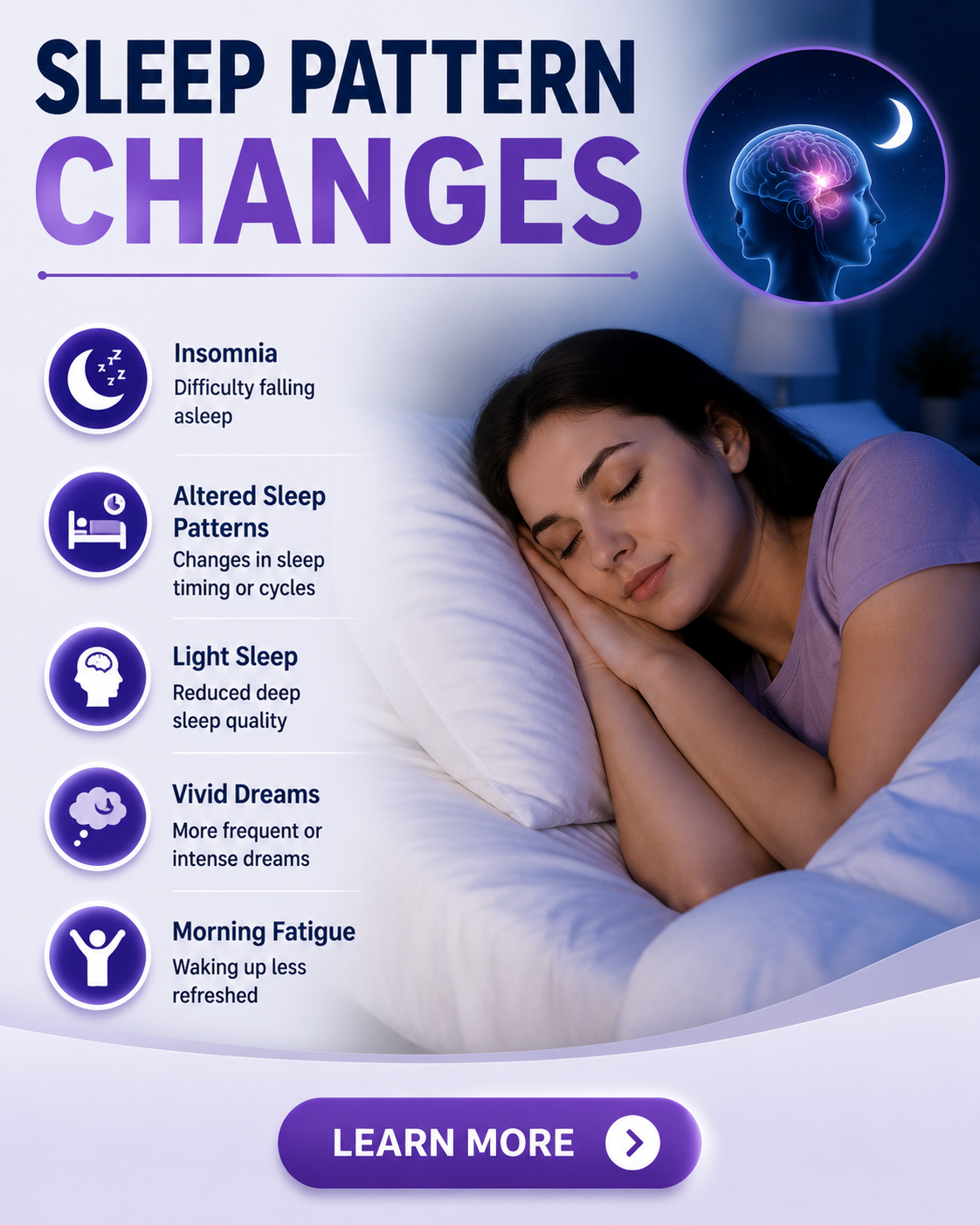
5. Sleep Pattern Changes
- Growth hormone release is naturally connected with sleep cycles, particularly deep sleep stages. Because sermorelin influences growth hormone signaling, some individuals may notice changes in sleep patterns.
Possible experiences may include:
- Changes in sleep quality
- Different sleep timing
- More noticeable dreams
- Temporary sleep adjustments
Maintaining a consistent bedtime routine and healthy sleep environment may help support better sleep habits during treatment.
Less Common Potential Side Effects
While many individuals tolerate sermorelin well under professional guidance, some less common reactions may occur.
These may include:
Fluid Retention
Changes related to hormone activity may sometimes influence how the body manages fluids.
Possible signs may include:
- Mild swelling
- Feeling of fullness
- Temporary changes in weight
Joint or Muscle Discomfort
- Some individuals may notice temporary changes in muscle or joint sensations. This may occur as the body adjusts to changes in hormone-related processes.
Tingling Sensations
- Some people report unusual sensations such as mild tingling or numbness. Although these experiences are not common for everyone, they should be monitored if they continue or become uncomfortable.
What Factors Can Affect Sermorelin Side Effects?
Not everyone experiences the same response to sermorelin. Several factors may influence how the body reacts.
Individual Health Profile
- A person’s overall health can affect treatment response. Existing medical conditions, medications, and hormone levels may influence how someone tolerates therapy.
Dosage and Treatment Plan
- The amount used and frequency of administration may influence side effects. A personalized approach helps ensure treatment decisions match individual needs and health considerations.
Lifestyle Habits
Lifestyle factors may also affect how someone feels during treatment.
Important areas include:
- Quality sleep
- Balanced nutrition
- Regular physical activity
- Stress management
- Adequate hydration
Healthy daily habits can support overall wellness while undergoing any hormone-related therapy.
Is Sermorelin Safe for Long-Term Use?
Long-term outcomes may depend on individual circumstances, treatment duration, medical monitoring, and overall health status.
Because sermorelin affects hormone pathways, ongoing professional supervision is important.
Healthcare providers may monitor factors such as:
- Treatment response
- Overall wellness changes
- Possible unwanted reactions
- Individual health markers
Regular communication with a healthcare professional can help identify concerns early and ensure treatment remains appropriate.

About the Author