Foods That Help With Constipation: Natural Relief Tips
Foods That Help With Constipation – (🥗NATURAL DIGESTIVE SUPPORT!). Explore fiber-rich foods that support digestion and bowel regularity.


Natural Ways to Support Better Digestion
Constipation is a common digestive concern that affects people of all ages. It can lead to uncomfortable symptoms such as infrequent bowel movements, hard stools, bloating, and a feeling that the digestive system is not working properly.
While occasional constipation is often linked to lifestyle habits, diet plays an important role in supporting regular bowel movements.
The foods we eat provide essential nutrients, fiber, and fluids that influence how efficiently the digestive system functions.
Choosing the right foods can help support softer stools, encourage healthy digestion, and promote a more comfortable bathroom routine.
Many natural foods contain dietary fiber, water content, and beneficial compounds that help maintain digestive balance.
Fruits, vegetables, whole grains, legumes, nuts, and seeds are among the most commonly recommended choices for supporting digestive wellness.
This guide explores the best foods that may help with constipation, how they support digestion, and practical ways to include them in a daily eating routine.
Understanding Constipation and Its Common Causes
Constipation occurs when bowel movements become less frequent or difficult to pass. Although everyone’s bowel habits are different, constipation generally involves passing hard stools, straining, or feeling that emptying is incomplete after using the bathroom.
Several factors can contribute to constipation, including:
- Low fiber intake
- Not drinking enough fluids
- Limited physical activity
- Changes in daily routine
- Stress and lifestyle factors
- Certain medications
- Ignoring the urge to have a bowel movement
Dietary choices are one of the most important areas people can adjust when looking for natural digestive support. Foods rich in fiber can add bulk to stool and help maintain smoother movement through the digestive tract.
How Does Food Support Healthy Bowel Movements?
The digestive system relies on a combination of fiber, fluids, and healthy gut activity to process food efficiently. Certain foods can help create conditions that support regularity.
Dietary Fiber and Digestive Health
Fiber is a type of carbohydrate that the body does not fully digest. Instead, it moves through the digestive tract and helps regulate stool consistency.
There are two main types of fiber:
- Soluble fiber absorbs water and forms a gel-like substance that may help soften stool.
- Insoluble fiber adds bulk to stool and helps support movement through the intestines.
A balanced intake of both types of fiber can contribute to overall digestive comfort.
Hydration and Food Choices
Fiber works best when combined with adequate fluid intake. Without enough water, a sudden increase in fiber may cause additional discomfort.
Foods with naturally high water content, such as fruits and vegetables, can contribute to daily hydration while also providing digestive-supporting nutrients.

Best Foods That Help With Constipation
1. Prunes and Prune Juice
- Prunes are one of the most well-known foods associated with digestive regularity.
- They contain dietary fiber and naturally occurring compounds that may support bowel movement frequency.
- The fiber content in prunes can help increase stool bulk, while their natural sugars may support movement through the digestive system.
- Prunes can be enjoyed as a snack, added to oatmeal, blended into smoothies, or consumed as prune juice.
- For many people, starting with a small serving and gradually increasing intake may help the digestive system adjust.
2. Apples
Apples are a convenient fruit choice that provides fiber and water. They contain pectin, a type of soluble fiber that can support healthy stool consistency.
Eating apples with the skin provides more fiber than peeled apples.
Ways to include apples in your diet include:
- Eating a fresh apple as a snack
- Adding sliced apples to oatmeal
- Mixing apples into yogurt
- Including them in fruit salads
Regular fruit intake can support overall digestive wellness as part of a balanced diet.
3. Pears
- Pears are naturally high in fiber and contain water, making them a helpful addition for people looking to support digestion.
- They contain soluble and insoluble fiber, which work together to encourage healthy bowel function.
- Pears can be eaten fresh, added to salads, or paired with healthy snacks such as nuts or yogurt.
- Choosing ripe pears may make them easier to digest for some individuals.
4. Kiwi
- Kiwi is a nutrient-rich fruit that has gained attention for its role in digestive health.
- It provides fiber and contains natural compounds that may support normal intestinal movement. Including kiwi as part of a balanced diet may help encourage digestive comfort.
- Kiwi can be eaten on its own, added to smoothies, or combined with other fruits for a fiber-rich snack.
5. Berries
Berries such as raspberries, blackberries, and strawberries provide fiber along with important vitamins and antioxidants.
Raspberries and blackberries are especially known for their higher fiber content compared with many other fruits.
Simple ways to add berries include:
- Mixing them into oatmeal
- Adding them to smoothies
- Eating them with Greek yogurt
- Using them as a healthy dessert option
Their natural sweetness makes them an easy way to increase daily fiber intake.
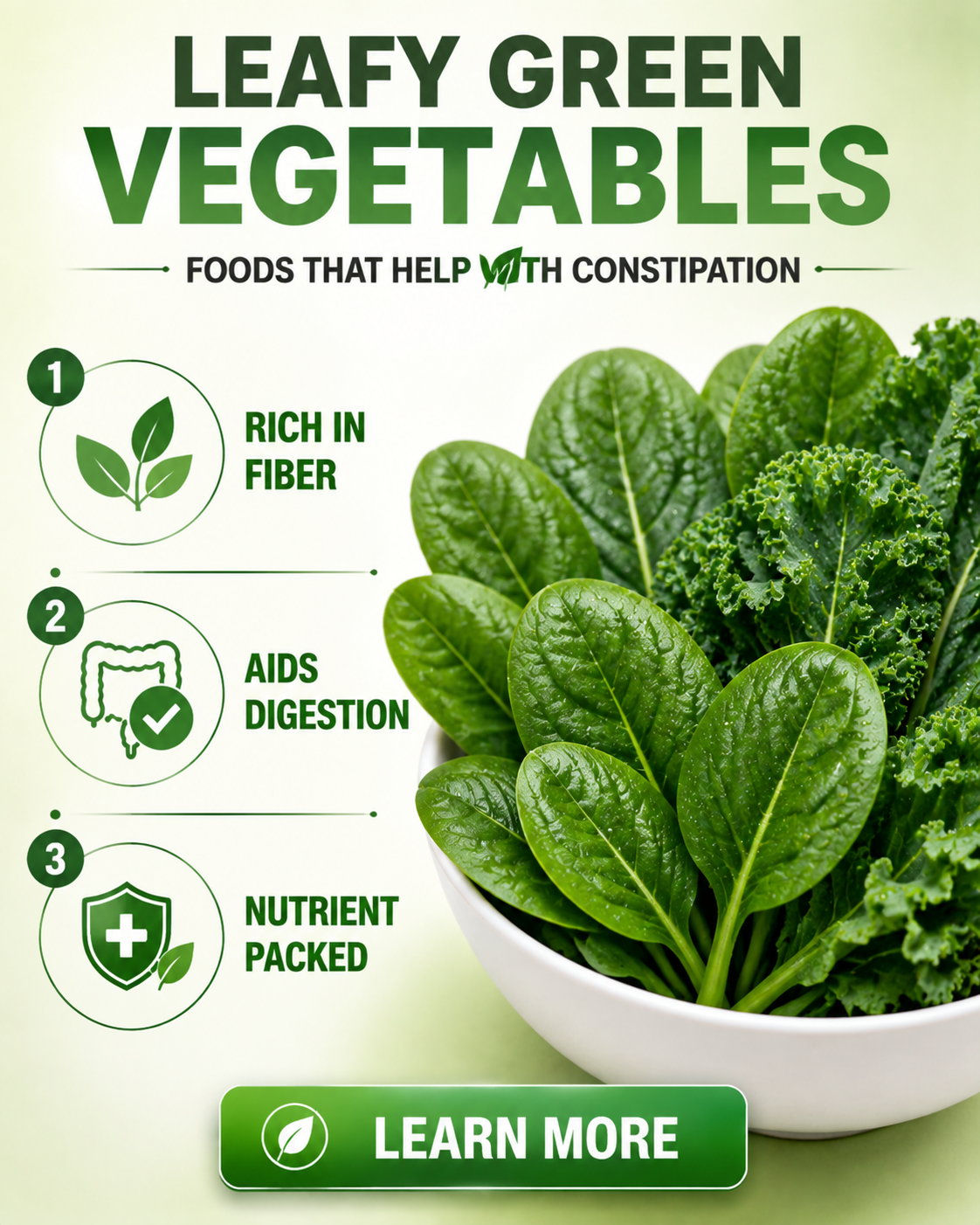
6. Leafy Green Vegetables
Vegetables such as spinach, kale, and Swiss chard provide fiber, minerals, and plant-based nutrients that support overall wellness.
Leafy greens can help add bulk to meals while contributing valuable nutrients that support digestive function.
They can be included through:
- Salads
- Smoothies
- Stir-fries
- Vegetable soups
A variety of vegetables throughout the week helps provide different types of fiber.
7. Broccoli
- Broccoli is a fiber-rich vegetable that supports digestive health while providing important nutrients.
- Its combination of fiber and plant compounds makes it a beneficial choice for a balanced diet.
- Broccoli can be steamed, roasted, added to soups, or included in vegetable-based meals.
- Cooking vegetables properly may make them easier for some people to tolerate while maintaining nutritional value.
8. Sweet Potatoes
Sweet potatoes contain fiber and nutrients that support overall health. Their natural carbohydrate content combined with fiber makes them a satisfying food choice.
Eating sweet potatoes with the skin provides additional fiber.
They can be prepared in several ways:
- Baked sweet potatoes
- Mashed sweet potatoes
- Roasted pieces
- Added to grain bowls
Including a variety of fiber sources throughout the day may provide better digestive support.
9. Oats
Oats are a popular whole grain known for their fiber content, especially beta-glucan, a type of soluble fiber.
Adding oats to breakfast can be an easy way to increase daily fiber intake.
Healthy options include:
- Overnight oats
- Warm oatmeal
- Oat-based smoothies
- Homemade granola
Combining oats with fruits and seeds can create a more fiber-rich meal.
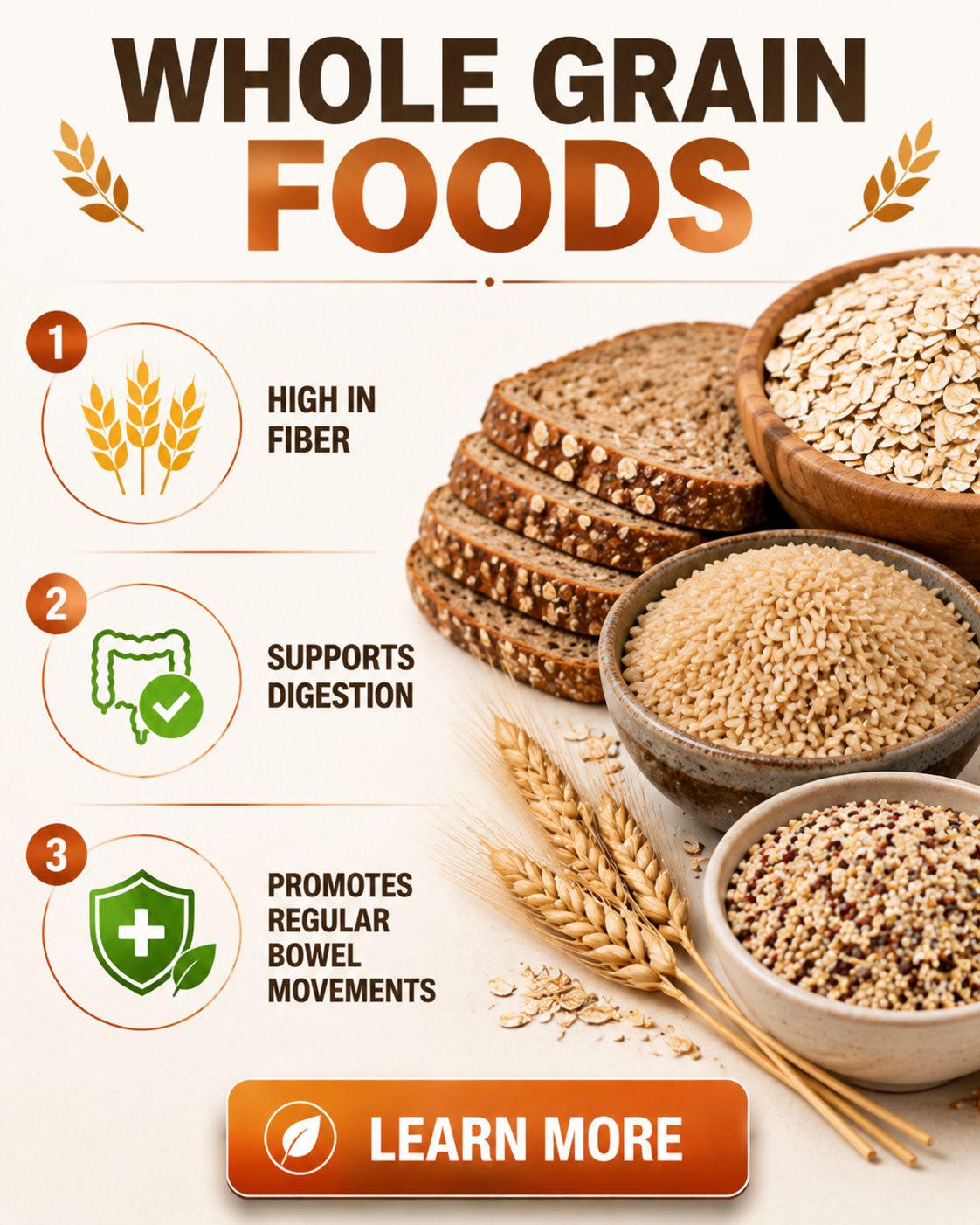
10. Whole Grain Foods
Whole grains contain more fiber than refined grain products because they retain more of the natural grain structure.
Examples include:
- Whole wheat bread
- Brown rice
- Quinoa
- Barley
- Whole grain pasta
Replacing refined grains with whole grain alternatives can support a more balanced digestive routine.
11. Beans and Lentils
Legumes such as beans, lentils, and chickpeas are excellent sources of dietary fiber.
They provide both soluble and insoluble fiber, which can help support stool consistency and digestive regularity.
They can be added to:
- Soups
- Salads
- Rice dishes
- Vegetable meals
Increasing legume intake gradually may help reduce digestive discomfort that can occur when fiber intake changes quickly.
12. Chia Seeds
- Chia seeds are small but contain significant amounts of fiber.
- When mixed with liquid, chia seeds absorb water and form a gel-like texture. This property makes them a popular addition to smoothies, oatmeal, and yogurt.
- Adding chia seeds to meals can be a simple way to increase fiber intake.
13. Flaxseeds
Flaxseeds contain fiber and healthy fats that support overall nutrition.
Ground flaxseeds are often easier for the body to use compared with whole flaxseeds.
They can be added to:
- Smoothies
- Oatmeal
- Baked goods
- Yogurt
As with other fiber-rich foods, increasing intake gradually is usually recommended.
14. Nuts
- Nuts such as almonds, walnuts, and pistachios provide fiber, healthy fats, and other nutrients.
- A small serving can be a convenient snack option while contributing to daily fiber intake.
- Nuts can also be combined with fruits for a balanced, digestive-friendly snack.
15. Yogurt With Probiotics
- Some types of yogurt contain probiotics, beneficial bacteria that support gut balance.
- A healthy gut microbiome plays an important role in digestion and overall wellness.
- Choosing yogurt with live cultures may help support digestive health when included as part of a balanced eating pattern.
Foods and Drinks That May Make Constipation Worse
While adding supportive foods is important, limiting certain dietary habits may also help.
Some foods that may contribute to digestive discomfort when consumed frequently include:
- Highly processed foods
- Low-fiber snacks
- Excessive refined grains
- Foods high in added sugars
- Large amounts of fried foods
Everyone responds differently to foods, so paying attention to personal digestion patterns can be helpful.
Tips for Adding More Fiber to Your Diet
Increasing fiber intake too quickly may cause gas or bloating. A gradual approach can make the transition more comfortable.
Helpful strategies include:
Increase Fiber Slowly
- Add new fiber-rich foods gradually rather than making sudden major changes.
Drink Enough Water
- Adequate hydration helps fiber function properly in the digestive system.
Eat a Variety of Foods
- Different foods provide different types of fiber and nutrients.
Maintain Regular Meals
- Consistent eating patterns can support a healthy digestive routine.
Stay Physically Active
- Movement and regular activity may complement healthy eating habits.
Simple Meal Ideas for Digestive Support
Creating meals with multiple sources of fiber can make healthy eating easier.
Breakfast
- Oatmeal topped with berries and chia seeds
- Whole grain toast with fruit
- Yogurt with flaxseed and nuts
Lunch
- Lentil soup with vegetables
- Salad with leafy greens and beans
- Whole grain wrap with vegetables
Dinner
- Brown rice with roasted vegetables
- Sweet potato with lean protein
- Vegetable and bean-based meals
Snacks
- Apples with nuts
- Fresh berries
- Kiwi
- Prunes
When to Speak With a Healthcare Professional?
Occasional constipation is common, but ongoing digestive changes should not be ignored.
Consider speaking with a healthcare professional if constipation:
- Lasts for an extended period
- Is accompanied by severe pain
- Includes unexplained weight changes
- Occurs with blood in the stool
- Represents a major change from normal bowel habits
A healthcare provider can help identify possible causes and recommend appropriate support.
Final Thoughts
Choosing the right foods can be an important part of supporting digestive wellness.
Fiber-rich fruits, vegetables, whole grains, legumes, seeds, and other nutrient-dense options may help promote healthier bowel habits when combined with proper hydration and a balanced lifestyle.
Foods such as prunes, apples, pears, berries, oats, beans, and chia seeds offer convenient ways to increase fiber intake naturally.
However, digestive health is influenced by many factors, including daily habits, activity levels, and individual needs.
Building a consistent eating pattern focused on whole foods can provide long-term support for a healthier digestive system and improved overall comfort.
.
.
.
About the Author