💫12 Home Remedies for Neuropathy in Legs and Feet: 🔥 (Natural Support for Nerve Comfort) Discover simple home remedies, lifestyle tips, and natural approaches that may help support nerve health, improve comfort, and promote better leg and foot wellness!💫

Neuropathy in the legs and feet is a common condition that affects the nerves responsible for sensation, movement, and communication between the brain and the lower body.
Many people experience symptoms such as tingling, numbness, burning sensations, sensitivity, or discomfort in their feet and legs.
Peripheral neuropathy often develops gradually and may be linked to different factors, including diabetes, nutritional deficiencies, certain medications, alcohol use, aging, or physical injuries.
Because nerve health depends on many factors, supporting the body through healthy habits, proper nutrition, and gentle self-care approaches may help improve overall comfort and daily function.
While home remedies cannot replace medical care or reverse nerve damage in every situation, many natural approaches may help support circulation, reduce discomfort, and encourage healthier lifestyle habits. Combining these strategies with guidance from a healthcare professional may provide better long-term nerve support.
This guide explores 12 home remedies for neuropathy in the legs and feet, along with practical tips to support nerve health and overall well-being.
What Is Neuropathy in Legs and Feet?
Neuropathy refers to damage or dysfunction of the peripheral nerves, which are the nerves outside the brain and spinal cord. These nerves help control sensation, muscle movement, and communication throughout the body.
When these nerves become irritated or damaged, signals between the brain and feet or legs may not work properly. This can result in uncomfortable sensations such as pins and needles, burning feelings, weakness, or reduced sensitivity.
Peripheral neuropathy commonly affects the feet first because the longest nerves in the body travel to the lower extremities. Symptoms may gradually move upward toward the legs as the condition progresses.
Different types of neuropathy can affect the body in different ways. Some people mainly experience sensory symptoms, while others may notice muscle weakness or changes in balance.
Common Symptoms of Neuropathy in Legs and Feet
Neuropathy symptoms can vary from person to person. Some common signs include:
Tingling or Pins-and-Needles Sensations
Many people describe neuropathy as small electric shocks, tingling, or a crawling sensation in the feet or toes. These sensations may come and go or become more noticeable at night.
Burning or Sharp Nerve Discomfort
A burning sensation in the feet is one of the most frequently reported symptoms of neuropathy. Some individuals may also experience sharp, stabbing, or shooting sensations.
Numbness or Reduced Sensitivity
Nerve changes may reduce the ability to feel temperature, pressure, or touch. Reduced sensation in the feet may increase the risk of unnoticed injuries.
Muscle Weakness
When motor nerves are affected, some people may experience weakness in the legs or difficulty with movement and balance.
Balance Problems
Changes in sensation from the feet can affect coordination, making walking or standing more challenging for some individuals.
What Causes Neuropathy in Legs and Feet?
Several factors may contribute to nerve problems in the lower body. Understanding possible causes can help individuals focus on supportive lifestyle changes.

Diabetes
Diabetes is one of the most common causes associated with peripheral neuropathy. High blood sugar levels over time may affect small blood vessels that supply nutrients and oxygen to nerves.
Maintaining healthy blood sugar levels through diet, physical activity, medication when prescribed, and regular monitoring may help support nerve health.
Vitamin Deficiencies
Certain nutrients are important for normal nerve function. Low levels of nutrients such as vitamin B12 may contribute to nerve-related symptoms in some individuals.
A balanced diet and appropriate nutritional guidance may help ensure the body receives essential vitamins and minerals.
Aging
As people age, natural changes in the nervous system may affect nerve function. Maintaining an active lifestyle and healthy habits may support mobility and overall wellness.
Alcohol Consumption
Excessive alcohol intake may affect nerve health and contribute to nutritional deficiencies that impact the nervous system.
Certain Medications
Some medications may affect nerves as a possible side effect. Anyone experiencing new symptoms should discuss concerns with a healthcare provider.
Injuries or Pressure on Nerves
Physical injuries, repetitive stress, or pressure on nerves may contribute to nerve discomfort in some cases.
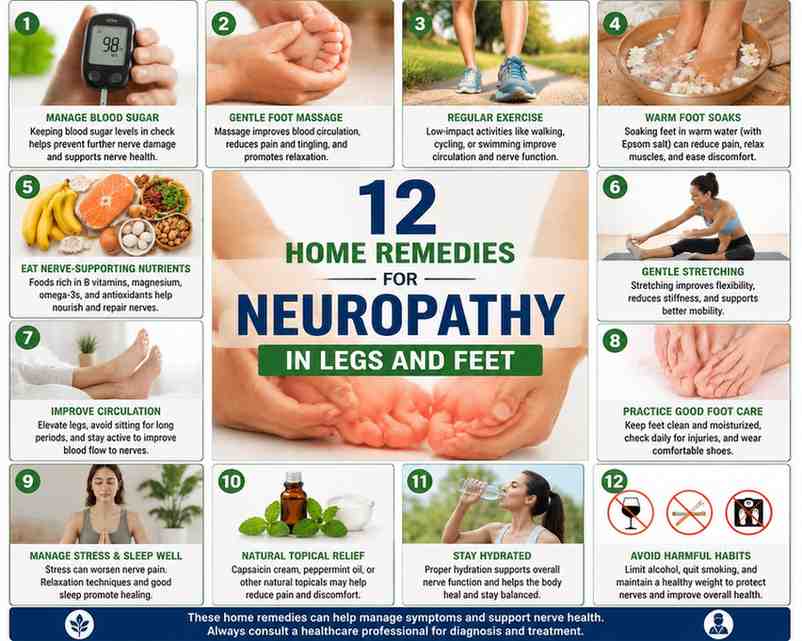
12 Home Remedies for Neuropathy in Legs and Feet
1. Maintain Healthy Blood Sugar Levels
For individuals with diabetes-related neuropathy, managing blood sugar levels is one of the most important steps for supporting nerve health.
Consistently high blood glucose levels may affect nerve structure and circulation over time. Keeping blood sugar within a healthy range may help protect nerves from additional stress.
Helpful habits may include:
- Eating balanced meals with fiber-rich foods
- Choosing healthy carbohydrate sources
- Staying physically active
- Following medical recommendations
- Monitoring blood glucose regularly
A healthy blood sugar management routine may support overall nerve function and reduce factors that contribute to nerve discomfort.
2. Try Gentle Foot Massage
A gentle foot massage may help promote relaxation and improve feelings of comfort in the feet and legs.
Massage may encourage circulation, reduce muscle tension, and provide temporary relief from stiffness or discomfort. Using gentle pressure is important, especially for people with reduced foot sensation.
Some helpful approaches include:
- Using slow circular motions
- Massaging the soles and tops of the feet
- Applying a moisturizing lotion to prevent dry skin
- Avoiding excessive pressure on sensitive areas
People with severe numbness or circulation problems should consult a healthcare professional before using massage techniques.
3. Practice Regular Low-Impact Exercise
Physical activity plays an important role in maintaining circulation, muscle strength, and overall health.
Low-impact exercises may be especially helpful because they support movement without placing excessive stress on the feet.
Examples include:
- Walking
- Swimming
- Cycling
- Stretching exercises
- Gentle yoga
Regular movement may support blood flow to the legs and help maintain flexibility and balance.
Starting slowly and increasing activity gradually may be beneficial for individuals who experience discomfort during exercise.
4. Use Warm Foot Soaks
A warm foot soak is a popular home practice that may help relax muscles and provide temporary comfort.
Warm water may promote relaxation and improve feelings of circulation in the feet. Some people add ingredients such as Epsom salt, although evidence regarding specific benefits for neuropathy is limited.
A simple foot soak may include:
- Warm (not hot) water
- A comfortable soaking temperature
- Around 10–15 minutes of relaxation
People with reduced sensation should be careful because they may not notice water that is too hot, which could increase the risk of burns.
5. Increase Intake of Nerve-Supporting Nutrients
Nutrition plays an important role in maintaining healthy nerves. The body requires several vitamins, minerals, and antioxidants to support normal nerve function and overall wellness.
A nutrient-rich diet may help provide the building blocks needed for healthy nerve communication.
Important nutrients that support nerve health include:
Vitamin B12
Vitamin B12 helps maintain healthy nerve cells and supports normal nervous system function. Low levels of vitamin B12 may contribute to nerve-related symptoms in some individuals.
Foods containing vitamin B12 include:
- Fish
- Eggs
- Dairy products
- Lean meats
- Fortified foods
People following restrictive diets may need to discuss nutritional needs with a healthcare professional.
Vitamin B6
Vitamin B6 is involved in nerve signaling and brain function. However, extremely high amounts of vitamin B6 supplements may negatively affect nerves, so supplementation should be used carefully.
Magnesium
Magnesium supports muscle and nerve function. Foods rich in magnesium include:
- Nuts
- Seeds
- Leafy green vegetables
- Whole grains
Omega-3 Fatty Acids
Omega-3 fats may support overall inflammation balance and cardiovascular health, which are important factors for circulation.
Sources include:
- Salmon
- Sardines
- Walnuts
- Flaxseeds
- Chia seeds
A balanced eating pattern that includes a variety of whole foods may provide broad nutritional support for nerve wellness.
6. Try Gentle Stretching Exercises
Stretching may help maintain flexibility, improve mobility, and reduce muscle tightness that can contribute to discomfort in the legs and feet.
Simple stretching routines may include:
Calf Stretch
Calf stretches may help loosen muscles in the lower legs and support better movement.
Foot Stretch
Moving the toes, rotating the ankles, and gently stretching the feet may help maintain flexibility.
Hamstring Stretch
Keeping the muscles at the back of the legs flexible may support comfortable movement.
A consistent stretching routine may be especially helpful for people who spend long periods sitting or have reduced mobility.
Stretching should always be gentle. Movements that cause sharp pain or increased discomfort should be avoided.
7. Improve Circulation With Healthy Daily Habits
Healthy circulation is important because nerves require oxygen and nutrients supplied through the bloodstream.
Several daily habits may support better blood flow to the legs and feet.
Helpful practices include:
- Avoid sitting in one position for long periods
- Move regularly throughout the day
- Elevate the legs when resting
- Stay physically active
- Maintain a healthy weight
Poor circulation may worsen feelings of coldness, numbness, or discomfort in the lower legs.
Small lifestyle changes performed consistently may contribute to better overall circulation.
8. Use Supportive Foot Care Practices
People experiencing neuropathy should pay special attention to foot care because reduced sensation may make it harder to notice injuries.
Helpful foot care habits include:
Check Feet Daily
Inspect feet for:
- Cuts
- Blisters
- Redness
- Swelling
- Skin changes
Keep Feet Clean and Dry
Washing feet regularly and drying carefully between toes may help maintain healthy skin.
Wear Comfortable Shoes
Supportive footwear may reduce pressure points and improve walking comfort.
Avoid Walking Barefoot
Going barefoot may increase the risk of stepping on objects or developing unnoticed injuries.
Consistent foot care is especially important for people with diabetes-related nerve problems.
9. Manage Stress and Prioritize Quality Sleep
Stress and poor sleep can affect how the body processes discomfort and may influence overall wellness.
When the body is under constant stress, muscle tension and sensitivity may increase. Developing relaxation habits may help support better daily comfort.
Stress management approaches may include:
- Deep breathing exercises
- Meditation
- Gentle stretching
- Spending time outdoors
- Relaxation routines before bedtime
Quality sleep also plays an important role in the body’s repair processes.
Helpful sleep habits include:
- Keeping a regular sleep schedule
- Creating a comfortable sleep environment
- Limiting screen exposure before bed
- Avoiding heavy meals close to bedtime
Better sleep habits may support energy levels, mood, and overall health.
10. Consider Natural Topical Comfort Approaches
Some people use topical products as part of their self-care routine to provide temporary comfort in areas affected by nerve discomfort.
Common ingredients used in topical products include:
Capsaicin
Capsaicin, derived from chili peppers, is sometimes used in topical preparations designed for nerve-related discomfort.
It may influence nerve signaling pathways associated with sensations of discomfort.
Essential Oils
Some individuals use diluted essential oils such as peppermint or lavender oil for relaxation and massage.
However, essential oils should always be properly diluted and tested carefully, especially on sensitive skin.
Topical approaches may provide temporary comfort for some people but should not replace professional medical guidance.
11. Stay Hydrated
Proper hydration supports many important body functions, including circulation and nutrient transportation.
Dehydration may contribute to muscle cramps, fatigue, and reduced physical comfort.
Helpful hydration habits include:
- Drinking enough water throughout the day
- Eating water-rich foods
- Limiting excessive alcohol consumption
Foods with high water content include:
- Cucumbers
- Watermelon
- Oranges
- Lettuce
Maintaining hydration is a simple habit that supports general wellness.
12. Avoid Habits That May Harm Nerve Health
Certain lifestyle habits may negatively affect circulation and nerve function.
Making positive changes may help support long-term nerve wellness.
Limit Alcohol Intake
Excessive alcohol consumption may contribute to nerve problems and nutritional deficiencies.
Reducing alcohol intake may support healthier nerve function.
Stop Smoking
Smoking can affect blood vessels and circulation, potentially reducing oxygen delivery throughout the body.
Quitting smoking may support better cardiovascular and nerve health.
Maintain a Healthy Weight
Excess body weight may increase pressure on joints, affect mobility, and contribute to metabolic concerns.
A balanced diet and regular activity may help support healthy weight management.
Foods That May Support Neuropathy Management
While no single food can eliminate neuropathy, a balanced diet may provide nutrients that support overall nerve health.

Leafy Green Vegetables
Vegetables such as spinach, kale, and broccoli provide vitamins, minerals, and antioxidants that support general wellness.
Berries and Colorful Fruits
Fruits rich in antioxidants may help support the body’s natural defenses against oxidative stress.
Nuts and Seeds
Nuts and seeds provide healthy fats, magnesium, and other nutrients associated with overall health.
Fatty Fish
Fish such as salmon and sardines contain omega-3 fatty acids that support heart and circulation health.
Whole Grains
Whole grains provide fiber and important nutrients that support balanced nutrition.
Lean Protein Sources
Protein provides amino acids needed for tissue maintenance and overall body function.
Lifestyle Habits That May Help Support Nerve Health
In addition to home remedies, several daily habits may support better nerve health.
Stay Physically Active
Regular movement supports circulation, strength, and mobility.
Even short walks or gentle exercises may be beneficial when performed consistently.
Maintain Regular Medical Checkups
Routine health visits can help identify underlying issues that may contribute to neuropathy.
Monitoring conditions such as diabetes, vitamin deficiencies, and circulation problems may support better management.
Protect Your Feet
Comfortable shoes, regular inspections, and proper hygiene may reduce the risk of foot complications.
Follow a Balanced Diet
A nutrient-rich eating pattern provides essential vitamins and minerals needed for overall health.
Things That May Make Neuropathy Symptoms Worse
Certain factors may increase nerve discomfort for some individuals.
These may include:
- Poor blood sugar control
- Lack of physical activity
- Excessive alcohol consumption
- Smoking
- Nutritional deficiencies
- Wearing uncomfortable footwear
- Ignoring foot injuries
Identifying personal triggers and making supportive lifestyle changes may help improve daily comfort.
Medical Treatments for Neuropathy
Home remedies may support comfort, but some cases of neuropathy require medical evaluation and treatment.
Healthcare professionals may recommend approaches such as:
- Managing underlying conditions
- Prescription medications for nerve discomfort
- Physical therapy
- Nutritional support
- Lifestyle modifications
Treatment depends on the underlying cause, severity, and individual health situation.
Anyone experiencing new, worsening, or unexplained nerve symptoms should consult a healthcare professional.
When Should You See a Doctor?
It is important to seek medical advice if you experience:
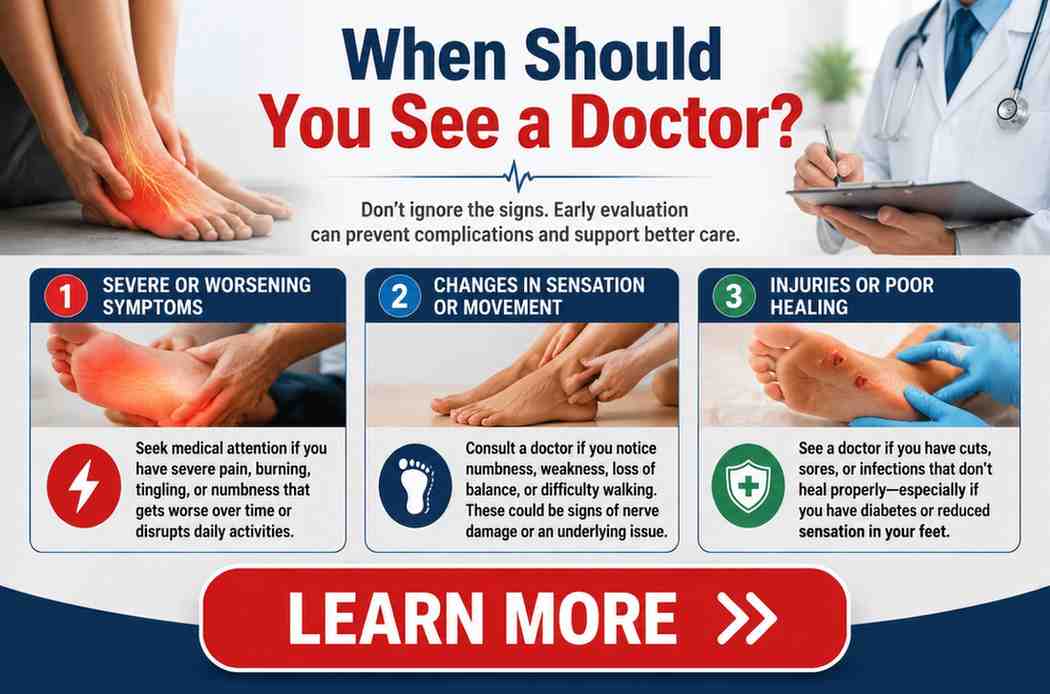
- Sudden numbness or weakness
- Difficulty walking
- Loss of balance
- Severe or worsening discomfort
- Foot injuries that do not heal
- Symptoms affecting daily activities
Early evaluation may help identify possible causes and appropriate management options.
Final Thoughts
Neuropathy in the legs and feet can affect daily comfort, movement, and quality of life. Although nerve problems may have different causes, adopting supportive lifestyle habits may help promote overall wellness and improve daily management.
The 12 home remedies for neuropathy in the legs and feet discussed in this guide include maintaining healthy blood sugar levels, eating nutrient-rich foods, exercising regularly, practicing proper foot care, improving circulation, managing stress, and avoiding habits that may harm nerve health.
While these approaches may support comfort, they should be used alongside professional medical advice, especially for individuals with diabetes or other underlying health conditions.
Building consistent healthy habits can play an important role in supporting the body’s natural processes and maintaining long-term nerve wellness.
Frequently Asked Questions (FAQs)
Can home remedies cure neuropathy in legs and feet?
Home remedies cannot guarantee a cure for neuropathy, but healthy habits, nutrition, exercise, and proper foot care may help support nerve health and manage discomfort.
What is the best natural remedy for neuropathy?
There is no single best remedy for everyone. A combination of healthy nutrition, regular movement, foot care, stress management, and medical guidance may provide the best overall support.
Can walking help neuropathy in the feet?
Walking may help improve circulation, maintain muscle strength, and support mobility. However, exercise should be adjusted based on individual comfort and ability.
Are vitamins helpful for neuropathy?
Certain nutrients, including vitamin B12 and other essential vitamins, support normal nerve function. People with deficiencies may benefit from appropriate nutritional support.
Can massage help neuropathy symptoms?
Gentle massage may provide temporary relaxation and comfort for some individuals. People with reduced sensation should use caution to avoid injury.
Does neuropathy always get worse over time?
Not always. The progression of neuropathy depends on the underlying cause, lifestyle factors, and management strategies.
.
About the Author