Himalayan Pink Salt for Women Hair Growth:🔥Benefits, Uses, Recipes, and What You Should Know!
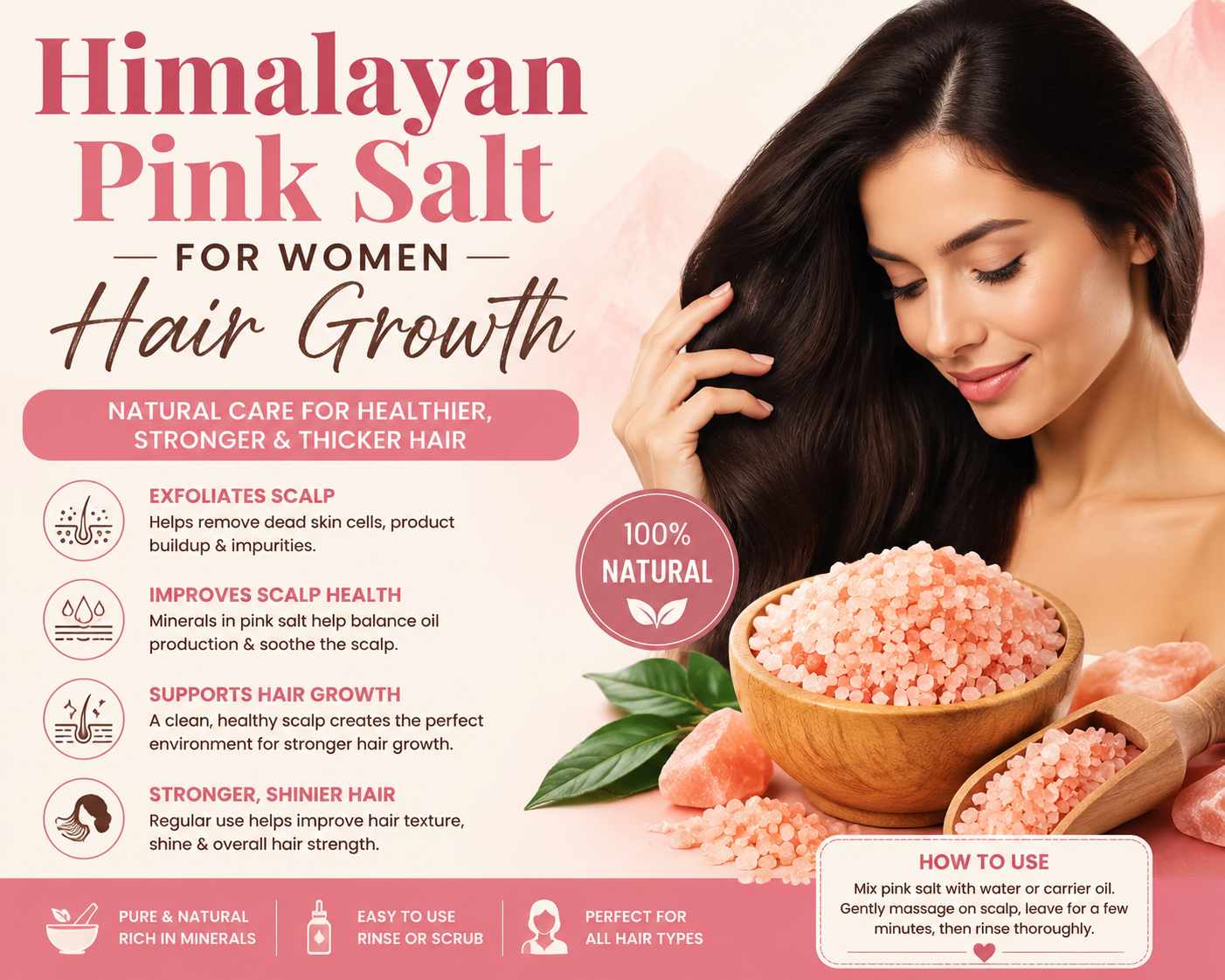

Discover how Himalayan pink salt may support women’s hair care with scalp cleansing benefits, natural uses, recipes, safety tips, and healthy hair habits
Introduction
Hair growth is one of the most searched beauty and wellness topics among women who want stronger, thicker, and healthier-looking hair.
From natural oils and herbal treatments to scalp massages and nutrient-rich diets, many people explore different methods to improve their hair care routine. One ingredient that has gained popularity in natural beauty discussions is Himalayan pink salt for women’s hair growth.
Himalayan pink salt is a mineral-rich salt that is often used in cooking, skincare, and wellness practices. Recently, some women have started including it in hair care routines through scalp scrubs, rinses, and homemade treatments.
Supporters believe that its mineral content and exfoliating properties may help create a healthier scalp environment, which is an important foundation for maintaining healthy hair.
A healthy scalp plays a major role in hair appearance and overall hair quality. Excess oil buildup, product residue, dead skin cells, and impurities can affect scalp comfort and cleanliness.
Because Himalayan pink salt has a gentle cleansing texture, it is commonly discussed as a natural option for scalp exfoliation and hair care support.
However, it is important to understand that Himalayan pink salt is not a proven hair growth treatment or a guaranteed solution for hair loss. Hair growth depends on many factors, including genetics, hormones, nutrition, stress levels, lifestyle habits, and overall health.
While Himalayan pink salt may support scalp care as part of a balanced routine, it should not replace professional advice or evidence-based treatments for significant hair concerns.
This guide explores how women use Himalayan pink salt for hair care, possible benefits, simple recipes, safety considerations, and realistic expectations.
What Is Himalayan Pink Salt?
Himalayan pink salt is a natural salt primarily mined from ancient salt deposits in the Himalayan region, particularly in areas of Pakistan. Its pink color comes from trace minerals such as iron and other naturally occurring compounds found within the salt crystals.
Unlike highly processed table salt, Himalayan pink salt usually undergoes less refining. Because of this, it retains small amounts of minerals that contribute to its color and texture. These minerals may include:
- Calcium
- Magnesium
- Potassium
- Iron
- Zinc
Although Himalayan pink salt contains these minerals, the amounts are generally very small. It is not considered a major source of minerals compared with a balanced diet that includes fruits, vegetables, protein, and whole foods.
In beauty and personal care, Himalayan pink salt is often used because of its physical properties. The small crystals can provide gentle exfoliation when applied carefully, making it popular in:
- Body scrubs
- Bath treatments
- Foot soaks
- Scalp exfoliation products
- Natural beauty routines
When used on the scalp, the main purpose is usually to cleanse and remove buildup rather than directly stimulate new hair growth.
Why Are Women Using Himalayan Pink Salt for Hair Growth?
The interest in Himalayan pink salt for women’s hair growth comes from the growing popularity of natural hair care routines. Many women prefer simple ingredients that can be incorporated into their existing beauty habits.
Several factors contribute to its popularity:
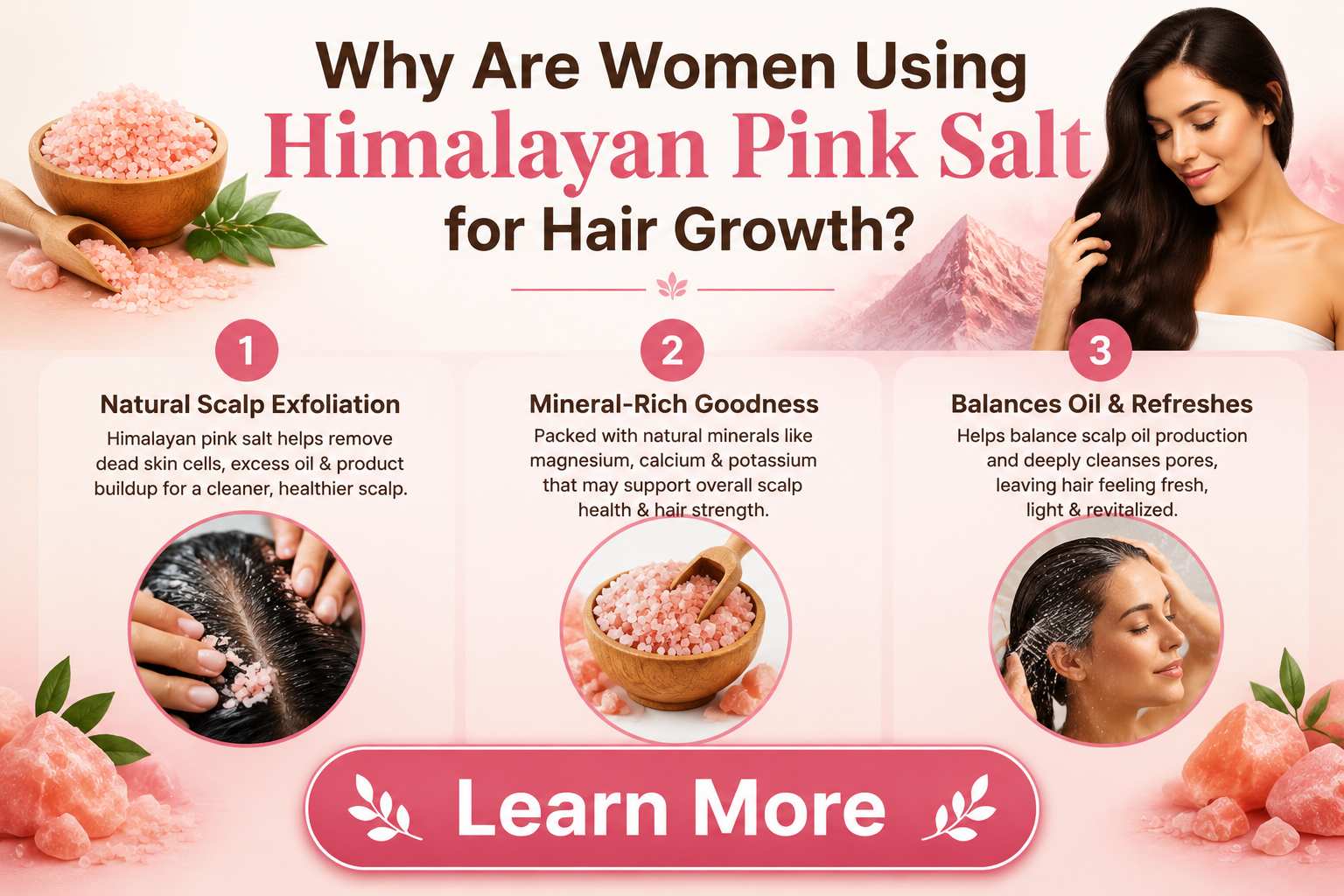
1. Natural Scalp Exfoliation
A clean scalp is an important part of maintaining healthy-looking hair. Over time, the scalp can accumulate:
- Excess oil
- Dead skin cells
- Styling product residue
- Environmental impurities
A Himalayan pink salt scalp scrub may help physically remove some surface buildup when used gently. This can leave the scalp feeling refreshed and cleaner.
However, exfoliation should always be performed carefully because aggressive scrubbing can irritate the scalp and damage delicate hair strands.
2. Mineral Content Appeal
Many people are attracted to Himalayan pink salt because of its natural mineral content. Minerals are essential for many body functions, including maintaining overall health.
Some minerals associated with Himalayan pink salt are also commonly discussed in relation to hair health:
Magnesium
Magnesium supports many biological processes in the body. Adequate magnesium intake is part of overall wellness, although applying magnesium-containing salt directly to the scalp has not been proven to increase hair growth.
Iron
Iron is an important nutrient because low iron levels may be associated with certain types of hair shedding. However, Himalayan pink salt is not a meaningful source of iron for correcting deficiency.
Zinc
Zinc plays a role in normal skin and hair function. A balanced diet is a better way to obtain sufficient zinc than relying on topical salt applications.
Can Himalayan Pink Salt Help Women’s Hair Growth?
The relationship between Himalayan pink salt and hair growth requires realistic expectations.
Currently, there is limited scientific evidence showing that Himalayan pink salt directly increases hair growth or reverses hair loss. Hair follicles grow hair through complex biological processes involving hormones, genetics, blood supply, and nutrients.
However, Himalayan pink salt may support certain aspects of scalp care that contribute to a healthier hair environment.
Possible supportive effects include:
1. Removing Scalp Buildup
Product buildup can make hair appear dull, heavy, or oily. A gentle salt-based scalp treatment may help remove surface residue and improve scalp cleanliness.
A cleaner scalp may allow hair care products to work more effectively by reducing excessive buildup.
2. Supporting Scalp Freshness
Some women experience oily scalp concerns, especially between washes. Salt-based rinses are sometimes used because salt can help absorb excess oil from the skin surface.
A refreshed scalp may improve comfort and make hair feel lighter.
3. Improving Hair Care Routine Consistency
One overlooked factor in hair health is maintaining a consistent routine. Natural treatments like Himalayan pink salt scrubs may encourage people to pay more attention to scalp care, washing habits, nutrition, and overall wellness.
A complete hair care routine often includes:
- Gentle cleansing
- Proper hydration
- Balanced nutrition
- Reducing excessive heat styling
- Protecting hair from damage
Potential Benefits of Himalayan Pink Salt for Women’s Hair Care
While Himalayan pink salt should not be considered a hair growth cure, it may offer several cosmetic benefits when used properly.
1. Helps Exfoliate the Scalp
One of the most common uses of Himalayan pink salt in hair care is scalp exfoliation.
The texture of salt crystals can help remove dead skin cells and surface buildup. Regular but gentle exfoliation may help maintain a cleaner scalp environment.
A healthier-feeling scalp can make hair care routines more comfortable and effective.
2. May Help Reduce Excess Oil
Women with oily scalps sometimes look for natural ways to manage oil buildup. Himalayan pink salt may absorb some surface oils when used as part of a rinse or scrub.
This can help hair feel fresher between washes.
However, overusing salt treatments may cause dryness, especially for women with naturally dry hair or sensitive scalps.
3. Creates a Refreshing Scalp Treatment
Many people enjoy Himalayan pink salt treatments because they provide a spa-like experience.
A gentle scalp massage with a salt mixture may help:
- Relax scalp muscles
- Remove impurities
- Encourage self-care habits
The massage itself may be beneficial, as a gentle scalp massage can temporarily improve circulation and promote relaxation.
4. Supports a Clean Hair Appearance
Hair often looks healthier when the scalp is properly cared for. Removing excess residue may help improve:
- Hair texture
- Shine
- Volume appearance
- Freshness
These effects are cosmetic rather than a direct increase in hair growth.
5. Complements a Natural Hair Routine
For women who prefer simple beauty routines, Himalayan pink salt can be combined with other hair-friendly practices such as:
- Using nourishing oils
- Eating enough protein
- Staying hydrated
- Managing stress
- Avoiding excessive chemical treatments
A healthy lifestyle remains one of the most important foundations for maintaining strong-looking hair.
Himalayan Pink Salt Hair Rinse Recipe for Women
A Himalayan pink salt hair rinse is one of the simplest ways women incorporate this ingredient into their hair care routine. The purpose of a salt rinse is mainly to cleanse the scalp, remove surface buildup, and provide a refreshing feeling.
It is important to remember that this rinse is not designed to promote new hair growth directly; instead, it may support scalp cleanliness, which is one part of maintaining healthy-looking hair.
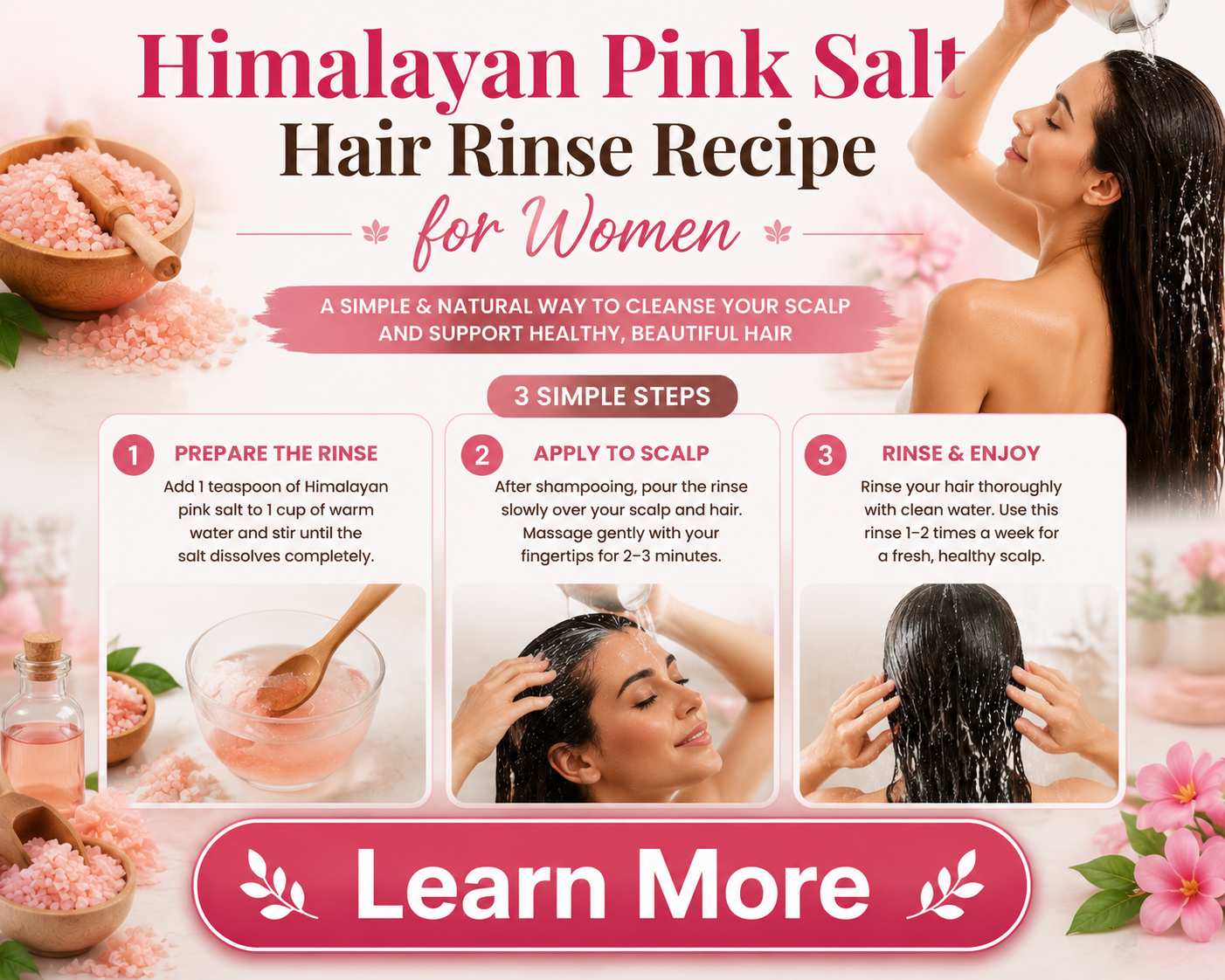
Ingredients:
- 1 teaspoon Himalayan pink salt
- 1 cup warm water
- A few drops of essential oil (optional, such as lavender or rosemary oil)
How to Prepare:
- Add Himalayan pink salt to warm water.
- Stir until the salt dissolves completely.
- Allow the mixture to cool before applying it to the scalp.
- Gently apply the rinse to the scalp after shampooing.
- Massage lightly for a few minutes.
- Rinse thoroughly with clean water if needed.
Avoid using highly concentrated salt mixtures, as excessive salt exposure can make hair feel dry or rough.
Himalayan Pink Salt Scalp Scrub for Women
A scalp scrub is another popular method for using Himalayan pink salt in natural hair care routines.
The purpose of a scalp scrub is to remove dead skin cells and product residue from the scalp surface. This may help improve scalp freshness and cleanliness.
Simple Himalayan Pink Salt Scalp Scrub Recipe
Ingredients:
- 2 tablespoons Himalayan pink salt
- 2 tablespoons coconut oil or olive oil
- A few drops of rosemary oil (optional)
Preparation:
- Mix Himalayan pink salt with your chosen carrier oil.
- Apply the mixture to a damp scalp.
- Massage gently using your fingertips.
- Leave it on for approximately 5–10 minutes.
- Wash your hair with a mild shampoo.
The key is gentle application. Scrubbing aggressively can irritate the scalp and may contribute to hair breakage.
How Often Should Women Use Himalayan Pink Salt on Hair?
The frequency of use depends on individual scalp type and sensitivity.
Using Himalayan pink salt treatments too frequently may cause dryness because salt can remove natural oils from the scalp.
General guidelines:
Oily Scalp
Women with oily scalps may consider using a gentle salt treatment occasionally, such as once every two to four weeks.
Normal Scalp
Women with a balanced scalp may use it less frequently as part of occasional scalp care.
Dry or Sensitive Scalp
Women with dry, irritated, or sensitive scalps should be cautious. Salt treatments may worsen dryness or discomfort.
A patch test is recommended before applying any new homemade scalp treatment.
Himalayan Pink Salt and Rosemary Oil for Hair Care
A popular combination in natural hair routines is Himalayan pink salt with rosemary oil.
Rosemary oil has become widely discussed in beauty communities because of its traditional use in scalp care. Some research has explored rosemary oil and its effects on hair-related concerns, but results can vary among individuals.
When combined:
- Himalayan pink salt provides physical exfoliation.
- Rosemary oil provides a botanical ingredient often used in scalp massage routines.
A common homemade approach is to mix a small amount of rosemary oil with a carrier oil and add a small amount of Himalayan pink salt for exfoliation.
However, essential oils should always be diluted because concentrated oils may irritate the skin.
Himalayan Pink Salt vs Regular Salt for Hair Care
Many people wonder whether Himalayan pink salt is better than regular table salt for hair care.
| Feature | Himalayan Pink Salt | Regular Table Salt |
| Source | ✔ Naturally mined salt deposits | ❌ Processed salt production |
| Appearance | ✔ Pink color due to trace minerals | ❌ Usually white |
| Texture | ✔ Coarse crystal texture | ❌ Fine texture |
| Common Use | ✔ Beauty treatments and cooking | ❌ Cooking and food preparation |
| Hair Care Purpose | ✔ Scalp exfoliation and cleansing | ❌ Mainly cleansing texture |
| Hair Growth Evidence | ✔ No direct proof of increasing hair growth | ❌ No direct proof of increasing hair growth |
The main difference is appearance and processing. Both types of salt primarily provide exfoliation rather than direct hair-growth benefits.
Can Himalayan Pink Salt Stop Hair Loss?
Hair loss in women can happen for many different reasons, including:
- Genetics
- Hormonal changes
- Stress
- Nutritional deficiencies
- Certain medical conditions
- Hair damage from styling practices
Himalayan pink salt cannot prevent or reverse all causes of hair loss.
If someone experiences:
- Sudden hair shedding
- Large amounts of hair loss
- Bald patches
- Scalp pain or irritation
- Changes in hair texture
it is important to speak with a healthcare professional or dermatologist.
A healthy scalp routine may support overall hair care, but identifying the underlying cause is essential for addressing hair concerns effectively.
Lifestyle Habits That Support Women’s Hair Health
While Himalayan pink salt may be included in a natural hair routine, healthy hair growth depends on many daily habits.

1. Eat a Nutrient-Rich Diet
Hair follicles require nutrients to produce healthy hair strands.
Important nutrients commonly associated with hair health include:
- Protein
- Iron
- Zinc
- Vitamin D
- Omega-3 fatty acids
- Biotin
A balanced diet with vegetables, fruits, lean proteins, nuts, seeds, and whole foods supports overall wellness.
2. Maintain Proper Scalp Hygiene
A clean scalp helps create a healthy foundation for hair care.
Helpful habits include:
- Washing according to your hair type
- Removing excess product buildup
- Avoiding harsh chemicals
- Keeping the scalp comfortable
3. Avoid Excessive Heat Styling
Frequent use of:
- Hair straighteners
- Curling irons
- High-temperature blow dryers
may weaken hair strands over time.
Using heat protection products and reducing unnecessary heat exposure can help maintain hair strength.
4. Manage Stress Levels
Stress can affect many areas of health, including hair appearance.
Helpful stress management practices may include:
- Regular exercise
- Meditation
- Quality sleep
- Relaxation techniques
5. Stay Hydrated
Adequate hydration supports overall health and may help maintain normal skin and scalp condition.
Drinking enough water and maintaining balanced nutrition are important parts of a complete wellness routine.
Possible Side Effects of Using Himalayan Pink Salt on Hair
Although Himalayan pink salt is natural, it does not mean it is suitable for everyone.
Possible concerns include:
1. Scalp Dryness
Salt can remove oils from the scalp surface. Frequent use may leave the scalp feeling dry.
2. Irritation
Some people may experience:
- Redness
- Burning sensation
- Itching
- Discomfort
Especially if they have sensitive skin.
3. Hair Texture Changes
Overuse of salt treatments may make hair feel:
- Rough
- Dry
- Less smooth
Using moisturizing hair products afterward may help maintain softness.
4. Increased Sensitivity
People with scalp conditions should be careful when using exfoliating treatments.
Anyone experiencing scalp inflammation or irritation should avoid harsh scrubs.
Common Myths About Himalayan Pink Salt for Hair Growth
Myth 1: Himalayan Pink Salt Can Grow New Hair Overnight
Fact: Hair growth is a biological process influenced by genetics, hormones, nutrition, and health factors. No salt treatment can instantly create new hair growth.
Myth 2: More Salt Means Better Results
Fact: Using excessive amounts of salt may cause dryness and irritation. Gentle use is more appropriate.
Myth 3: Himalayan Pink Salt Replaces Hair Treatments
Fact: Natural ingredients can support scalp care, but they should not replace proven treatments or professional guidance when needed.
Who Should Avoid Himalayan Pink Salt Hair Treatments?
Some individuals should be cautious before using salt-based scalp treatments.
Avoid or limit use if you have:
- Sensitive skin
- Scalp wounds
- Severe dryness
- Active irritation
- Certain scalp conditions
- Allergic reactions to ingredients used in the mixture
Pregnant women or individuals with specific health concerns should consult a healthcare professional before starting new topical treatments.
🗣️Frequently Asked Questions
Does Himalayan pink salt help women grow hair faster?
Himalayan pink salt does not have scientific evidence proving that it increases hair growth speed. It may support scalp cleanliness when used as part of a healthy hair care routine.
How do you use Himalayan pink salt for hair growth?
Women commonly use Himalayan pink salt as a scalp rinse or gentle scrub. It should be used carefully and not excessively because it may cause dryness.
Can Himalayan pink salt remove dandruff?
Himalayan pink salt may help remove surface buildup and dead skin cells. However, dandruff can have different causes, and persistent symptoms may require professional advice.
Is Himalayan pink salt safe for all hair types?
No. People with dry, sensitive, or irritated scalps may experience discomfort. A small patch test is recommended before use.
Can Himalayan pink salt make hair thicker?
There is no evidence that Himalayan pink salt directly increases hair thickness. It may improve the feeling of scalp cleanliness, which can make hair appear healthier.
How often can women use Himalayan pink salt on their scalp?
Many people use it occasionally rather than daily. Overuse may lead to dryness, so frequency should depend on scalp condition.
Conclusion
Himalayan pink salt for women’s hair growth has become a popular topic in natural hair care because of its mineral-rich reputation and scalp-cleansing properties.
While it may help support a cleaner scalp, remove buildup, and provide a refreshing addition to a beauty routine, it is important to understand that it is not a scientifically proven hair growth solution.
Healthy hair growth depends on multiple factors, including nutrition, genetics, hormones, stress management, and proper hair care habits.
Himalayan pink salt can be used as a supportive scalp care ingredient when applied gently and responsibly.
Women interested in natural hair routines may explore Himalayan pink salt rinses or scalp scrubs as occasional treatments, but realistic expectations are important.
Combining gentle scalp care with a balanced lifestyle is the best approach for maintaining strong, healthy-looking hair.
.
About the Author