Honey Shield Trick to Reverse Alzheimer’s – (🍯 NATURAL BRAIN SUPPORT!). Learn facts, benefits, and healthy habits.
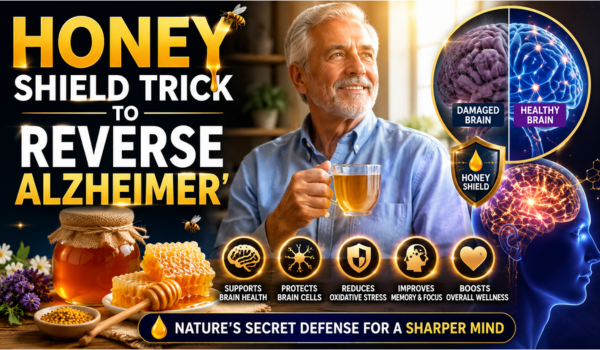

Alzheimer’s disease is one of the most challenging neurological conditions affecting millions of people worldwide. It gradually impacts memory, thinking abilities, communication, and daily activities.
As awareness grows, many people search for natural approaches that may help support brain health, including popular ideas like the “Honey Shield Trick.”
The Honey Shield Trick to Reverse Alzheimer’s is often discussed online as a natural wellness approach that focuses on honey’s antioxidant properties and its potential role in protecting the brain.
While honey contains beneficial compounds, it is important to understand that there is currently no proven natural remedy that can reverse Alzheimer’s disease.
However, certain lifestyle habits, including a balanced diet, regular exercise, quality sleep, stress management, and consuming nutrient-rich foods, may contribute to overall brain wellness.
This article explores what the Honey Shield Trick means, why honey is connected with brain health, what science says, and how natural habits may support cognitive function.
What Is the Honey Shield Trick?
The Honey Shield Trick refers to the idea of using honey as a natural protective ingredient to support the body and brain.
The concept comes from honey’s long history as a traditional food valued for its antioxidant, nutritional, and soothing properties.
The “shield” idea suggests that honey may help protect cells from oxidative stress. Oxidative stress occurs when harmful molecules called free radicals damage cells over time.
Since brain cells are highly active and require significant energy, they are particularly sensitive to oxidative damage.
Honey contains natural compounds such as:
- Flavonoids
- Phenolic acids
- Antioxidants
- Natural enzymes
These compounds have been studied for their potential protective effects on general health.
However, the Honey Shield Trick should not be considered a treatment or cure for Alzheimer’s disease. Instead, it may be viewed as one small part of a brain-supportive lifestyle.
Can Honey Reverse Alzheimer’s Disease?
A common question surrounding the Honey Shield Trick is whether honey can reverse Alzheimer’s disease.
Currently, there is no scientific evidence showing that honey can reverse Alzheimer’s or remove existing brain damage caused by the disease.
Alzheimer’s involves complex changes in the brain, including:
- Abnormal protein buildup
- Brain cell damage
- Inflammation
- Communication problems between nerve cells
These changes develop over time and require medical evaluation and treatment.
While honey cannot reverse Alzheimer’s, research suggests that antioxidant-rich foods may help support overall brain health by reducing oxidative stress and promoting a healthier environment for cells.
Using honey as part of a nutritious diet may support wellness, but it should complement—not replace—medical care.
How Honey May Support Brain Health
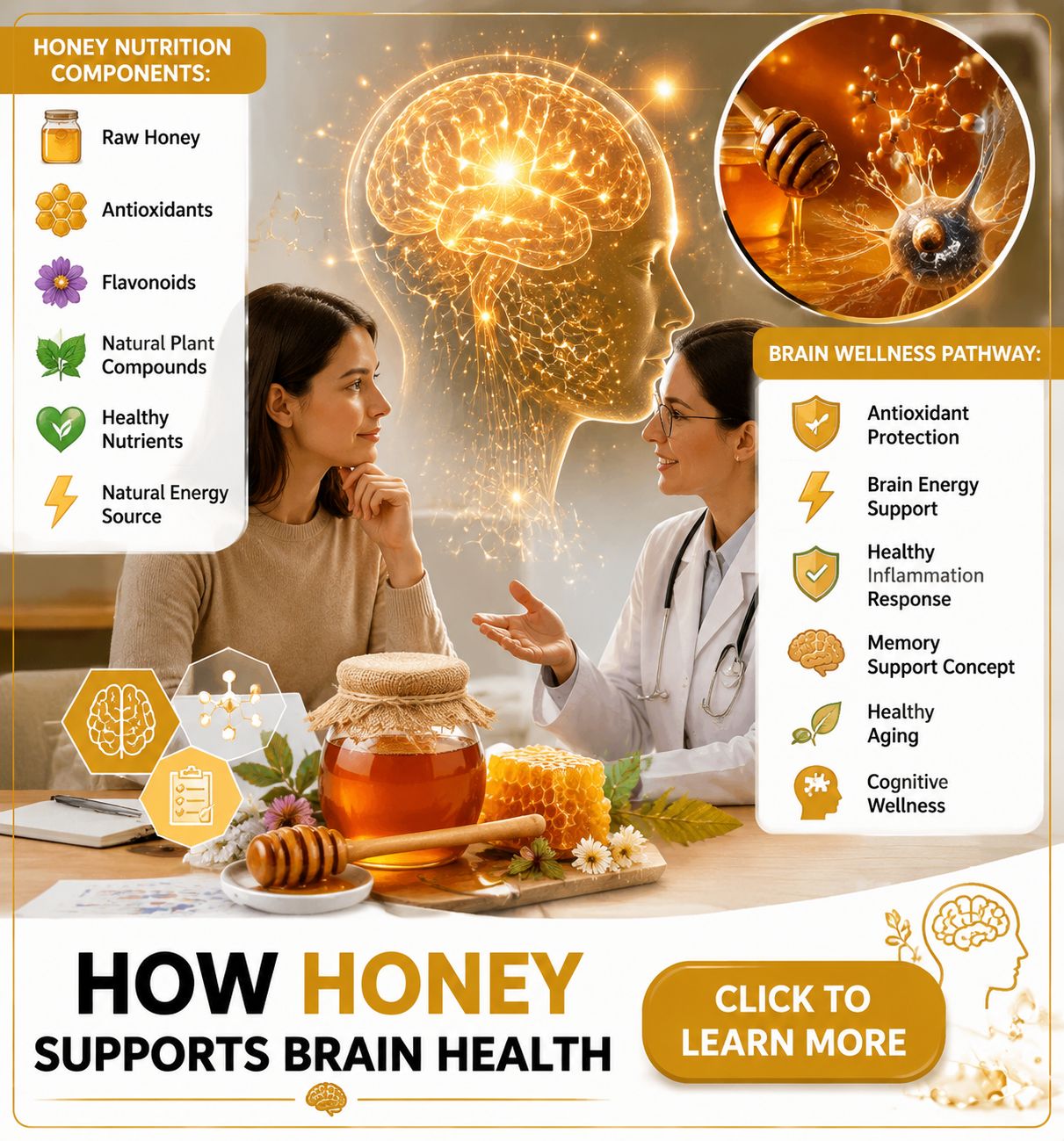
Honey contains natural compounds like antioxidants and phenolic compounds that may help support overall brain wellness.
These compounds can help protect cells from oxidative stress and support a healthy environment for brain function. While honey cannot reverse Alzheimer’s disease, adding it in moderation to a balanced diet may contribute to overall health.
Antioxidant Protection
Honey contains antioxidants that help fight free radicals in the body. Free radicals can contribute to cellular stress, which is linked with aging and various health concerns.
A diet rich in antioxidant-containing foods may help maintain healthier cells and support normal body functions.
Foods that provide antioxidants include:
- Berries
- Green vegetables
- Nuts
- Seeds
- Olive oil
- Natural honey
Including a variety of these foods may support long-term wellness.
Supporting Healthy Inflammation Levels
Chronic inflammation is considered one factor associated with aging and brain health concerns.
Some compounds naturally found in honey have been studied for their anti-inflammatory properties. Maintaining healthy inflammation levels through diet and lifestyle may support overall wellness.
A balanced approach includes:
- Eating whole foods
- Staying physically active
- Managing stress
- Getting enough sleep
Providing Natural Energy for the Brain
Honey provides natural carbohydrates, including glucose and fructose, which can be used by the brain as a quick source of energy.
Since the brain requires a steady supply of fuel to support memory, focus, and normal cognitive functions, moderate honey consumption may help maintain daily brain activity.
The antioxidants and natural compounds found in honey may also contribute to overall wellness. However, honey cannot reverse Alzheimer’s disease or repair brain damage. It should be enjoyed as part of a balanced diet with healthy habits like exercise, quality sleep, and proper nutrition.
The Connection Between Diet and Alzheimer’s Prevention
Although no food can guarantee prevention of Alzheimer’s, research suggests that dietary patterns may influence brain health.
A brain-supportive diet usually emphasizes:
- Fruits and vegetables
- Healthy fats
- Whole grains
- Lean proteins
- Nuts and seeds
Many experts highlight eating patterns similar to the Mediterranean-style diet because they include nutrients associated with cardiovascular and cognitive wellness.
A healthy diet may help support:
- Blood vessel health
- Brain energy balance
- Healthy inflammation response
- Overall aging process
Honey can fit into this type of eating pattern as an occasional natural sweetener.
Natural Ways to Support Memory and Cognitive Health
The Honey Shield Trick is only one part of a broader brain health strategy. Several daily habits may provide stronger evidence for supporting cognitive function.
Regular Physical Activity
Exercise is one of the most studied lifestyle factors for brain health.
Physical activity may help:
- Improve blood flow to the brain
- Support mood balance
- Encourage healthy aging
- Maintain overall fitness
Simple activities such as walking, cycling, swimming, or strength training can be beneficial.
Prioritizing Quality Sleep
Sleep plays an important role in memory and brain function.
During sleep, the body performs important maintenance processes that support brain health.
Healthy sleep habits include:
- Maintaining a regular bedtime
- Limiting screen exposure before sleep
- Creating a comfortable sleep environment
- Avoiding excessive caffeine late in the day
Managing Stress
Long-term stress may affect memory, mood, and overall wellness.
Stress management techniques may include:
- Meditation
- Deep breathing exercises
- Yoga
- Spending time outdoors
- Social connection
Supporting emotional health is an important part of protecting cognitive function.
Honey Shield Trick Recipe for Brain Wellness
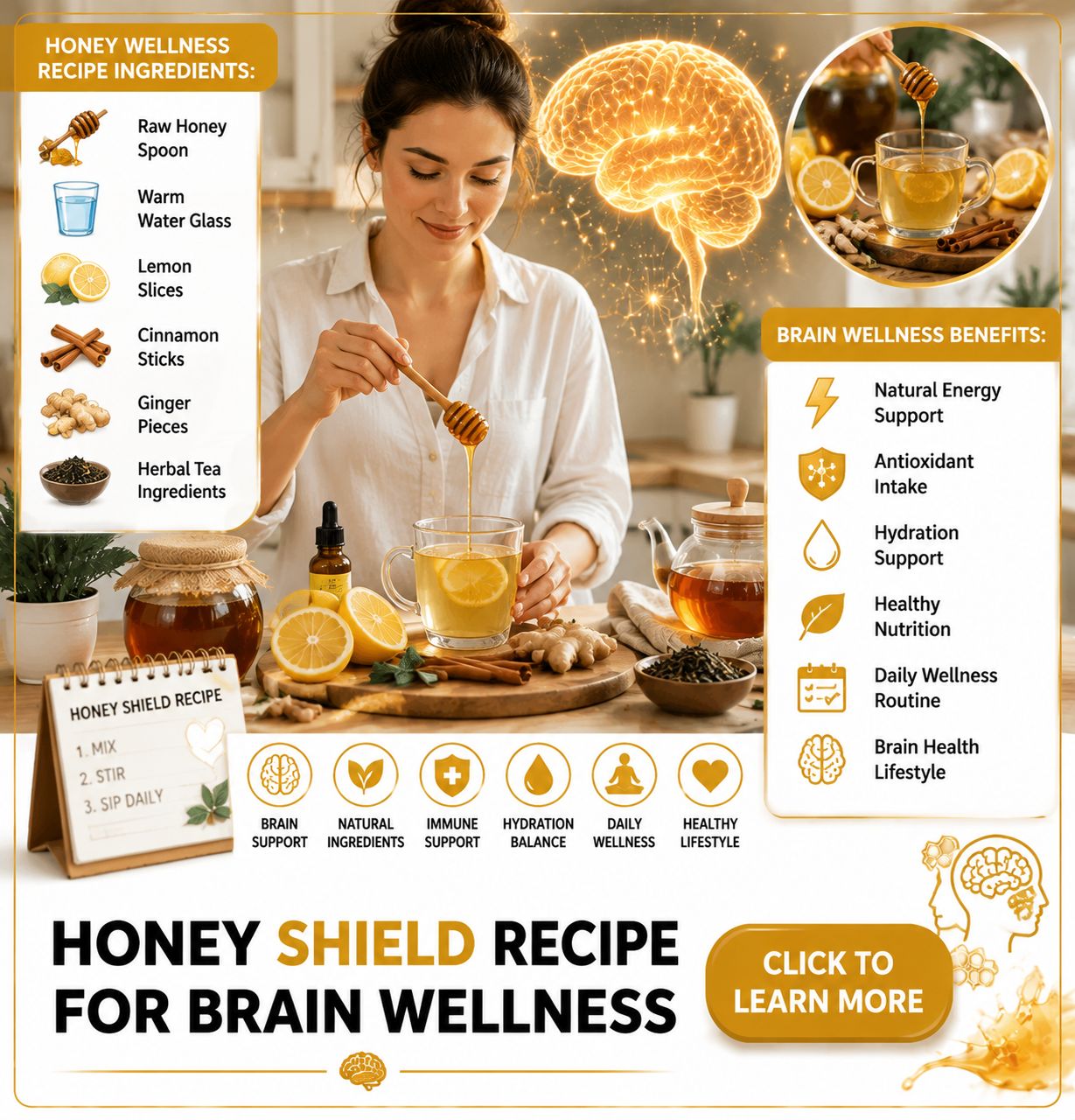
The Honey Shield Trick recipe is a simple wellness drink idea that combines honey with other natural ingredients to create a refreshing addition to a healthy lifestyle.
While this recipe cannot reverse Alzheimer’s disease, it may provide nutrients that support overall wellness, including antioxidant intake and hydration.
Ingredients:
- 1 teaspoon of raw honey
- 1 cup of warm water or herbal tea
- A few drops of fresh lemon juice
- A small amount of cinnamon or ginger (optional)
Preparation:
Mix raw honey into warm water or herbal tea until fully dissolved. Add fresh lemon juice and optional cinnamon or ginger for extra flavor and natural plant compounds.
Enjoy this drink as part of a balanced daily routine.
Honey provides natural energy from carbohydrates, while lemon, cinnamon, and ginger add additional antioxidants and beneficial compounds.
For brain health, this recipe should be combined with healthy habits such as regular exercise, quality sleep, stress management, and a nutrient-rich diet.
Choosing the Right Honey for Wellness
Choosing a high-quality honey can help you get the most natural benefits from this traditional food.
While honey is not a cure for Alzheimer’s disease or a replacement for medical care, selecting a good-quality product can make it a better addition to a balanced wellness routine.
- Raw Honey: Raw honey is minimally processed and may retain more of its natural enzymes, antioxidants, and plant compounds compared with highly processed varieties. It is often preferred by people looking for a more natural option.
- Pure Honey: Look for honey labeled as pure honey without added syrups, artificial ingredients, or unnecessary additives. Quality honey should contain naturally occurring compounds that contribute to its flavor and nutritional value.
- Organic Honey: Organic honey may be produced under specific farming and processing standards. Some people choose it to reduce exposure to certain agricultural chemicals and support cleaner food choices.
- Local Honey: Local honey is often valued for freshness and sourcing. Many people enjoy its unique flavor while including it as part of their overall healthy eating habits.
Regardless of the type you choose, moderation is important because honey still contains natural sugars. Pairing quality honey with a nutrient-rich diet, regular movement, and healthy lifestyle habits can better support overall wellness.
Common Myths About Honey and Alzheimer’s
Honey has gained attention as a natural wellness ingredient, but many claims about its effects on Alzheimer’s disease are not supported by scientific evidence.
Understanding the difference between facts and myths can help people make informed decisions about brain health.
Myth 1: Honey Can Cure or Reverse Alzheimer’s Disease
- There is no scientific proof that honey can cure, reverse, or remove the brain changes associated with Alzheimer’s disease. While honey contains antioxidants and natural compounds that may support general health, it cannot repair damaged brain cells or replace medical treatments.
Myth 2: Eating More Honey Provides More Brain Protection
- Consuming large amounts of honey does not create extra brain health benefits. Honey is still a source of natural sugar, and excessive intake may affect blood sugar levels and overall health. Moderate consumption is the better approach.
Myth 3: Honey Works as a Standalone Alzheimer’s Treatment
- Honey should not be considered a treatment for memory loss or cognitive decline. Brain health depends on multiple factors, including a balanced diet, physical activity, quality sleep, stress management, and regular medical care.
Who Should Be Careful With Honey?
Although honey is a natural food enjoyed by many people, it may not be suitable for everyone.
Since honey contains natural sugars and bioactive compounds, certain individuals should use caution and consider their personal health needs before adding more honey to their diet.
People who should speak with a healthcare professional before increasing honey intake include:
- Individuals managing diabetes
- People monitoring blood sugar levels
- Those with honey allergies
- Individuals following specific medical diets
Moderation and personal health needs should always be considered.
The Importance of Early Alzheimer’s Awareness
Early awareness of Alzheimer’s disease plays an important role in recognizing changes in memory, thinking, and daily abilities.
Identifying possible signs early can help individuals and families seek professional guidance, understand available support options, and make informed decisions about long-term health.
Alzheimer’s is a progressive condition that affects brain function over time. While there is currently no guaranteed way to prevent or reverse the disease, early evaluation may help with planning, managing symptoms, and improving quality of life.
Common early warning signs may include:
- Memory Changes: Frequently forgetting recent conversations, appointments, or important information may be an early sign of cognitive changes.
- Difficulty With Familiar Tasks: Struggling with everyday activities that were once easy, such as managing finances or following routines, may require attention.
- Confusion About Time or Place: Getting lost in familiar locations or becoming unsure about dates and events can be a potential warning sign.
- Changes in Problem-Solving Ability: Difficulty making decisions, organizing tasks, or handling complex situations may indicate changes in thinking skills.
- Mood or Personality Changes: Increased anxiety, withdrawal, irritability, or unusual behavior changes may also occur.
Recognizing these signs does not always mean someone has Alzheimer’s, as other health conditions can cause similar symptoms.
Supporting brain health through a balanced diet, physical activity, quality sleep, social connections, and healthy lifestyle habits can also contribute to overall cognitive wellness.
Is the Honey Shield Trick Worth Trying?
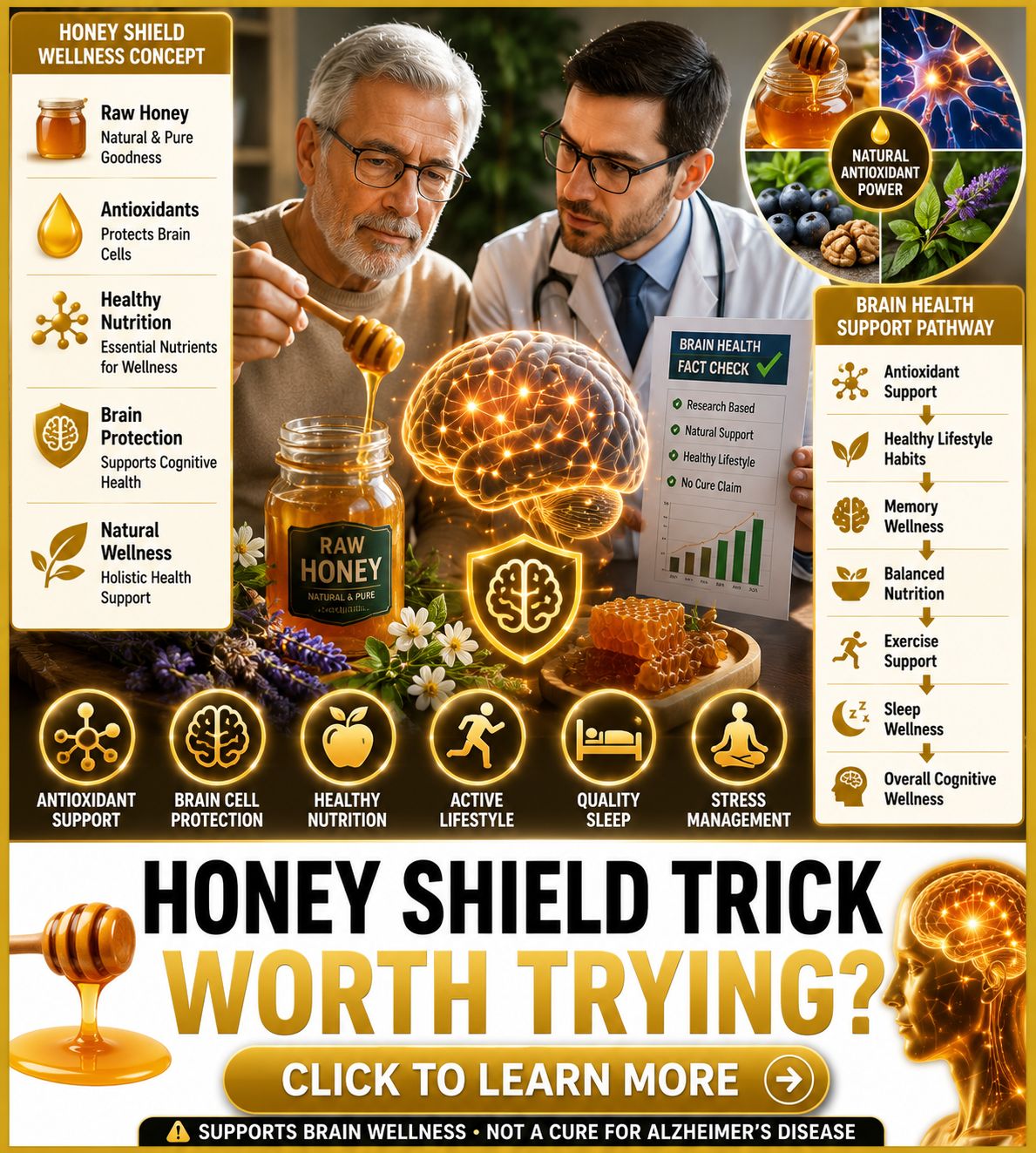
The Honey Shield Trick to Reverse Alzheimer’s is an appealing natural wellness concept because honey contains antioxidants and has been valued for centuries as a nutritious food.
However, honey cannot reverse Alzheimer’s disease, and no single ingredient can replace medical treatment or healthy lifestyle habits.
Including small amounts of quality honey as part of a balanced diet may support general wellness, but the strongest brain health strategies include:
- Eating nutrient-rich foods
- Staying physically active
- Getting quality sleep
- Managing stress
- Maintaining social connections
- Following medical guidance
The best “brain shield” is a complete lifestyle approach that supports overall health and healthy aging.
Final Thoughts
The Honey Shield Trick is an interesting natural wellness approach that highlights the potential benefits of honey’s antioxidants and nutritional compounds.
While honey may support overall health and provide natural energy for the body and brain, there is no scientific evidence that it can reverse Alzheimer’s disease or restore lost memory function.
A healthy brain depends on many factors, including a balanced diet, regular exercise, quality sleep, stress management, and staying socially active.
Adding small amounts of high-quality honey to a nutritious lifestyle may be a simple way to enjoy its natural benefits, but it should be viewed as part of a broader wellness routine.
The best way to support long-term brain health is through consistent healthy habits, early awareness, and guidance from healthcare professionals when needed.
.
.
.