🍯Honey Trick for Dementia 🐝: Understanding the Truth Behind This Popular Remedy!💫
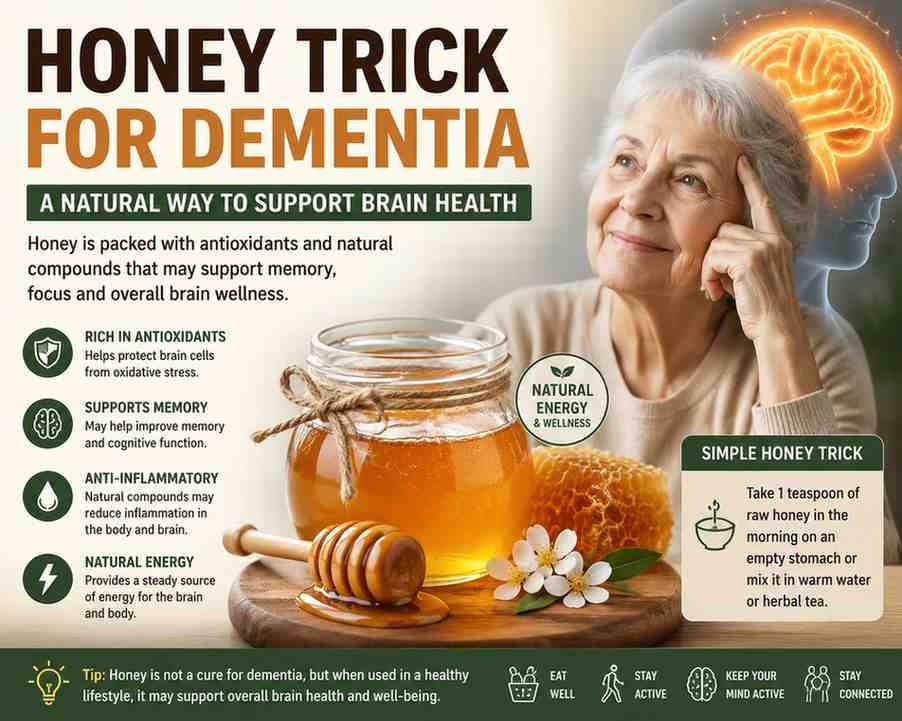

Discover the truth about the honey trick for dementia, how honey may support brain health, potential benefits, risks, and evidence-based memory care tips.
Dementia is a complex condition that affects memory, thinking, communication, and daily activities. As more people search for natural approaches to support brain health, the “honey trick for dementia” has become a popular topic online.
Many discussions suggest that adding honey to a daily routine may help improve memory, protect brain cells, or slow cognitive decline.
Honey has been used for centuries as a natural food and traditional remedy because of its nutritional compounds, antioxidants, and soothing properties.
However, it is important to understand that honey is not a proven cure for dementia and cannot reverse Alzheimer’s disease or other forms of cognitive decline.
That said, honey contains naturally occurring compounds that may contribute to overall wellness when included as part of a balanced diet.
Some research has explored how antioxidants, polyphenols, and natural plant compounds found in honey may support processes related to brain health, inflammation control, and oxidative stress.
This article explores what the honey trick for dementia means, why people are interested in it, what science says about honey and memory, possible benefits, safety considerations, and other lifestyle strategies that may support cognitive health.
What Is the “Honey Trick for Dementia”?
The term “honey trick for dementia” usually refers to the practice of consuming small amounts of honey with the belief that it may support memory and brain function.
Different versions of this idea appear online, including:
- Taking a spoonful of honey in the morning
- Mixing honey with warm water
- Combining honey with herbs, spices, or other natural ingredients
- Using honey as a replacement for processed sugar
Supporters of this approach often claim that honey can “feed the brain,” improve concentration, or help older adults maintain memory.
While honey does provide carbohydrates that the body can convert into energy, there is currently no strong scientific evidence proving that honey can treat or prevent dementia.
The interest in honey comes from its nutritional profile and traditional use. Honey contains:
- Natural sugars
- Antioxidants
- Polyphenols
- Trace minerals
- Plant-based compounds
These components may contribute to overall health, but dementia involves complex biological changes that cannot be addressed by a single food.
Why Are People Searching for Honey and Dementia?
The growing interest in natural remedies has led many people to explore foods that may support brain function. Several reasons explain why honey has gained attention.
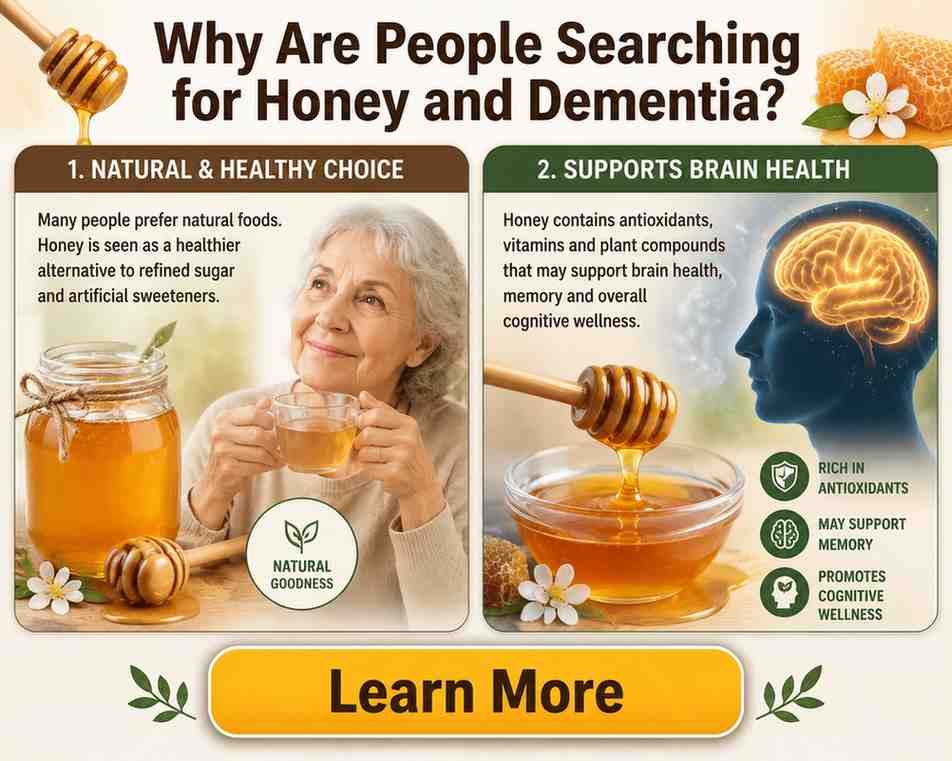
1. Honey Is Considered a Natural Food
Many people prefer natural foods over highly processed sweeteners. Because honey comes from bees and contains plant-derived compounds, it is often viewed as a healthier alternative to refined sugar.
2. Honey Contains Antioxidants
Oxidative stress is one factor researchers study in relation to aging and brain health. Honey contains antioxidants that may help protect cells from damage caused by unstable molecules called free radicals.
3. Traditional Medicine Has Used Honey for Centuries
Honey has been used traditionally for various purposes, including soothing sore throats, supporting wound care, and providing quick energy.
This long history has contributed to interest in whether honey may also have benefits for cognitive wellness.
4. People Want Simple Memory Solutions
Memory loss can be frightening, especially for older adults and their families. Many people search for simple dietary approaches that may help maintain quality of life.
However, dementia requires a comprehensive approach that includes medical evaluation, healthy lifestyle habits, and appropriate treatment plans.
Does Honey Help Dementia? What Science Says
Currently, there is no scientific proof that honey can cure dementia, restore lost memories, or stop disease progression.
Dementia conditions such as Alzheimer’s disease involve changes in:
- Brain cell communication
- Protein buildup in the brain
- Inflammation pathways
- Blood flow regulation
- Nerve cell function
These processes are far more complex than can be influenced by a single ingredient.
However, researchers continue to investigate how certain foods, including antioxidant-rich foods, may contribute to overall brain health.
Honey may potentially support wellness through:
- Providing natural energy
- Supplying antioxidant compounds
- Supporting a balanced diet
- Replacing highly processed sweeteners
These effects may contribute indirectly to healthy aging but should not be considered a dementia treatment.
Nutritional Profile of Honey
Honey is primarily composed of natural carbohydrates, but it also contains small amounts of beneficial compounds.
Natural Sugars
Honey contains glucose and fructose, which provide quick energy. The brain relies heavily on glucose as a fuel source.
However, excessive sugar intake may negatively affect metabolic health, so moderation is important.
Antioxidants
Honey contains compounds such as:
- Flavonoids
- Phenolic acids
- Other plant-derived antioxidants
These compounds may help combat oxidative stress in the body.
Trace Nutrients
Depending on the floral source, honey may contain small amounts of:
- Potassium
- Calcium
- Magnesium
- Zinc
Although present in small quantities, these nutrients contribute to overall nutrition.
How Honey May Support Brain Health
While honey is not a dementia treatment, some of its properties may support overall brain health.
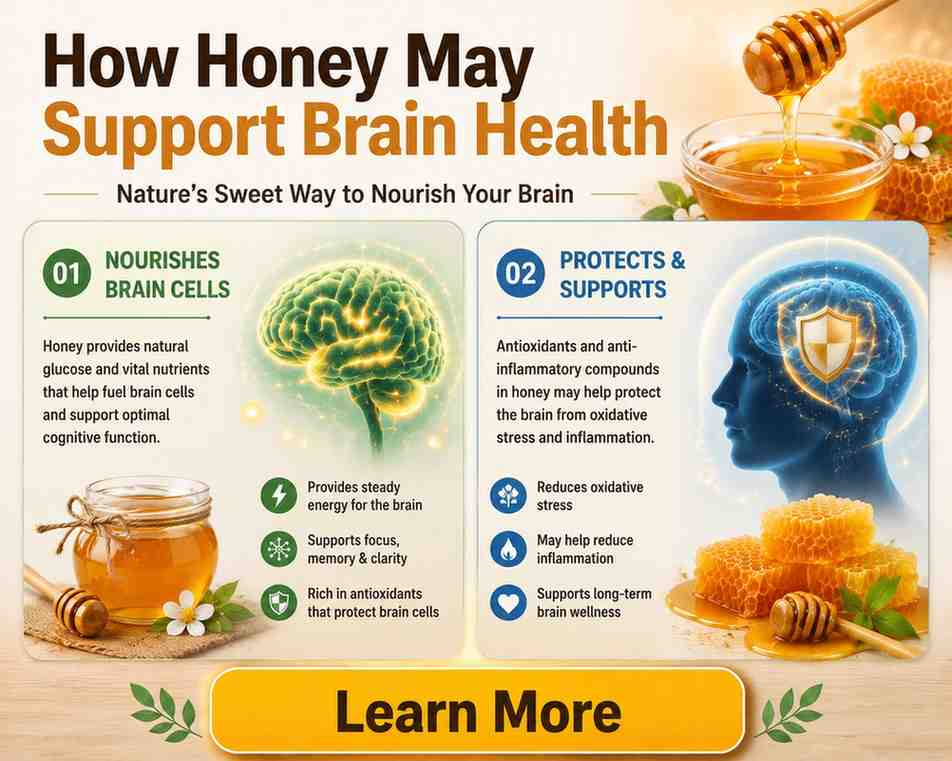
1. May Provide Brain Energy
The brain requires a constant supply of energy to function properly. Because honey contains easily available carbohydrates, it can provide a quick energy source.
Stable energy levels may support:
- Focus
- Alertness
- Daily activities
However, maintaining balanced blood sugar is especially important for older adults.2. Contains Antioxidants That Support Cellular Health
Oxidative stress occurs when harmful free radicals damage cells. Researchers believe oxidative stress may play a role in aging-related changes.
Honey’s antioxidants may help protect cells from oxidative damage.
A diet rich in antioxidant foods may support overall wellness by including:
- Fruits
- Vegetables
- Nuts
- Seeds
- Whole grains
3. May Support a Healthy Inflammatory Response
Chronic inflammation has been studied in relation to many age-related conditions.
Some compounds in honey have demonstrated anti-inflammatory properties in laboratory studies. However, eating honey alone has not been shown to reduce dementia risk.
A healthy lifestyle remains one of the strongest ways to support balanced inflammation.
Honey and Blood Sugar: An Important Consideration
Because honey contains natural sugars, people should consider how it affects blood glucose levels.
Healthy blood sugar regulation is important for brain health because conditions such as diabetes are associated with increased risk factors for cognitive problems.
People with:
- Diabetes
- Insulin resistance
- Blood sugar concerns
should discuss honey consumption with a healthcare professional.
Although honey may have a different nutritional profile than refined sugar, it is still a source of sugar and calories.
Can Honey Reverse Dementia?
No. Honey cannot reverse dementia.
Dementia involves progressive changes in brain structure and function. While healthy eating patterns may support overall wellness, no food has been proven to restore damaged brain cells or reverse established dementia.
Claims that honey can:
- Cure Alzheimer’s disease
- Restore memory completely
- Replace medication
are not supported by reliable scientific evidence.
A more realistic goal is supporting brain health through multiple healthy habits.
Popular Honey Remedies People Try
Many online “honey tricks” combine honey with other ingredients.
Common combinations include:
Honey and Warm Water
Some people drink honey mixed with warm water in the morning. This may be a pleasant hydration habit, but there is no evidence it treats dementia.
Honey and Cinnamon
Honey and cinnamon are often promoted for wellness. Cinnamon contains plant compounds that researchers have studied, but more evidence is needed on its potential for dementia prevention.
Honey and Ginger
Ginger is known for antioxidant compounds and is traditionally used for digestive support. Combining it with honey may create a flavorful drink but is not a dementia treatment.
Honey and Turmeric
Turmeric contains curcumin, a compound studied for its effects on inflammation and brain health. However, more research is needed before making strong claims.
Types of Honey and Their Differences
Different varieties of honey contain slightly different compounds depending on the flowers visited by bees.
Manuka Honey
Manuka honey is known for its unique antibacterial properties and is widely studied for wound-related uses.
Raw Honey
Raw honey is minimally processed and may retain more natural compounds compared with heavily filtered honey.
Wildflower Honey
Wildflower honey comes from multiple plant sources and may contain a variety of natural compounds.
Regardless of type, honey should still be consumed in moderation.
Potential Benefits of Honey for Older Adults
Although honey does not treat dementia, it may offer some general benefits when used appropriately.
1. Quick Energy Source
Older adults with reduced appetite may find small amounts of honey an easy way to add calories and flavor.
2. May Improve Food Enjoyment
Adding a small amount of honey to healthy foods may make meals more enjoyable.
3. Natural Sweetener Alternative
Honey can replace refined sugar in some recipes.
4. Contains Plant Compounds
Honey provides small amounts of antioxidant compounds.
Possible Risks and Precautions
Honey is generally safe for most adults, but there are important considerations.
1. High Sugar Content
Honey is still a concentrated source of sugar.
Excess consumption may contribute to:
- Weight gain
- Blood sugar problems
- Dental issues
2. Diabetes Considerations
People managing diabetes should monitor portions carefully.
3. Allergic Reactions
Some individuals may experience sensitivity to honey or pollen-related compounds.
4. Not a Replacement for Treatment
People experiencing memory problems should seek medical advice rather than relying on natural remedies alone.
Foods That May Support Brain Health
A balanced diet is one of the most important factors for healthy aging.
Brain-supporting foods often include:
Fatty Fish
Fish such as salmon and sardines provide omega-3 fatty acids, which are important for brain structure.
Leafy Green Vegetables
Vegetables like spinach and kale contain vitamins and antioxidants.
Berries
Berries contain plant compounds associated with healthy aging.
Nuts and Seeds
These provide healthy fats and nutrients.
Whole Grains
Whole grains support steady energy levels.
Olive Oil
Healthy fats are an important part of Mediterranean-style eating patterns.
Lifestyle Habits That Support Memory and Cognitive Health
Food is only one part of brain wellness.
Regular Physical Activity
Exercise supports circulation and overall health.
Activities may include:
- Walking
- Swimming
- Strength training
- Balance exercises
Quality Sleep
Poor sleep can affect memory and concentration.
Healthy sleep habits include:
- Consistent bedtime
- Reduced screen exposure
- Relaxing nighttime routines
Mental Stimulation
Keeping the brain active may support cognitive function.
Examples include:
- Reading
- Learning new skills
- Puzzles
- Music activities
Social Connection
Maintaining relationships and social activities can contribute to emotional and cognitive wellness.
Medical Treatments for Dementia
People experiencing dementia symptoms should receive professional evaluation.
Treatment approaches may include:
- Prescription medications
- Cognitive therapies
- Lifestyle support
- Safety planning
- Caregiver assistance
Early diagnosis can help individuals and families make informed decisions.
When Should You Talk to a Doctor?
Seek medical advice if someone experiences:
- Increasing forgetfulness
- Difficulty completing familiar tasks
- Confusion about time or location
- Personality changes
- Problems communicating
- Changes affecting daily independence
Memory changes should not automatically be considered normal aging.
Common Myths About Honey and Dementia
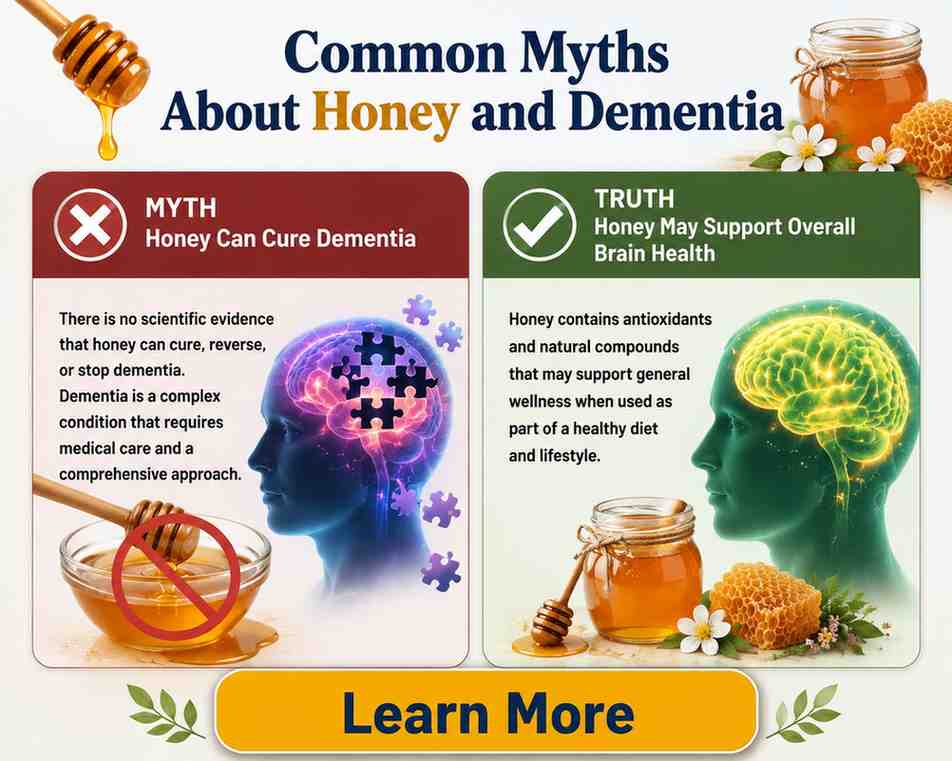
Myth 1: Honey Can Cure Alzheimer’s Disease
There is no evidence that honey cures Alzheimer’s disease.
Myth 2: A Spoonful of Honey Restores Memory
Honey may provide energy, but it cannot restore damaged brain function.
Myth 3: Natural Means Always Safe
Natural products can still affect blood sugar, allergies, and health conditions.
Myth 4: Honey Replaces Medical Treatment
Honey should only be considered a food choice, not a medical therapy.
Frequently Asked Questions
Is the honey trick for dementia real?
The honey trick is a popular natural remedy, but there is no scientific evidence that honey treats dementia.
Can honey improve memory?
Honey may support overall nutrition and provide antioxidants, but it has not been proven to improve dementia-related memory loss.
How much honey is safe to consume daily?
Moderate amounts are generally recommended. People with diabetes or blood sugar concerns should ask their healthcare provider.
Is raw honey better for brain health?
Raw honey may contain more natural compounds, but there is no evidence that it prevents or treats dementia.
Can honey replace dementia medication?
No. Honey should not replace prescribed dementia treatments.
Conclusion: Is the Honey Trick for Dementia Worth Trying?
The honey trick for dementia has gained popularity because many people are searching for natural ways to support memory and brain health.
While honey contains antioxidants and natural compounds that may contribute to overall wellness, current research does not show that honey can cure dementia, reverse memory loss, or replace medical care.
Including a small amount of honey as part of a balanced diet may be enjoyable and provide nutritional benefits.
However, the strongest support for brain health comes from a combination of healthy eating, regular physical activity, quality sleep, mental stimulation, social connection, and appropriate medical guidance.
If you or a loved one is experiencing memory changes, it is important to speak with a healthcare professional for proper evaluation.
Natural foods like honey can be part of a healthy lifestyle, but they should be viewed as one piece of a broader approach to healthy aging and cognitive wellness.
.
About the Author