Blueberry Trick for Memory – (🫐REAL FACTS!) Learn what the blueberry trick for memory claims, what science says, and how blueberries may naturally support brain health.
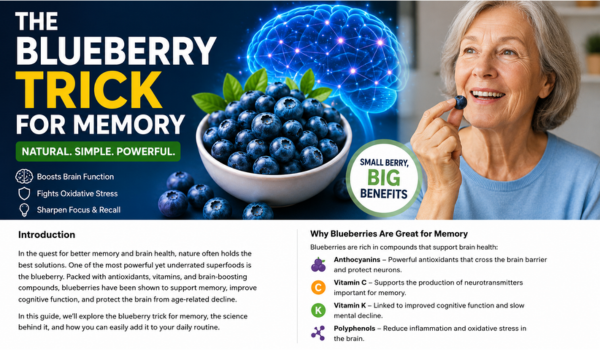
Memory and brain health are major concerns as people look for simple ways to stay mentally sharp, improve focus, and support healthy aging.
Among the many wellness trends shared online, the blueberry trick for memory has gained attention for its connection to cognitive health.
Blueberries are often called a “brain food” because they contain naturally occurring plant compounds, vitamins, and antioxidants that may help protect cells from oxidative stress.
While some online claims make blueberries sound like a miracle solution for memory loss, the reality is more balanced. Research suggests that including blueberries as part of a healthy lifestyle may support overall brain function, but they are not a cure for memory disorders.
Understanding how blueberries work, what science says about their benefits, and how to include them in a balanced diet can help you make informed decisions about supporting long-term cognitive wellness.
What Is the Blueberry Trick for Memory?
The blueberry trick for memory refers to the popular idea of regularly consuming blueberries to support memory, concentration, and overall brain performance.
This trend is based on research suggesting that compounds found in blueberries may positively influence areas related to brain health.
The concept is simple: adding blueberries to daily meals, smoothies, or snacks may provide the brain with nutrients that support healthy cellular activity.
Many people incorporate fresh blueberries, frozen blueberries, or blueberry-based foods into their routine as part of a balanced approach to wellness.
The reason blueberries receive attention is their high content of anthocyanins, natural plant pigments responsible for their deep blue color.
These compounds have antioxidant properties that may help the body manage oxidative stress, which is associated with normal aging processes.
However, the blueberry trick should be viewed as a supportive dietary habit rather than a guaranteed memory enhancer. Maintaining brain health involves many factors, including physical activity, sleep quality, stress management, hydration, and overall nutrition.
Why Are Blueberries Considered a Brain-Friendly Food?
Blueberries have become widely recognized in nutrition discussions because they contain several compounds that contribute to overall wellness.
The brain requires consistent nourishment to function properly, and a nutrient-rich diet plays an important role in supporting cognitive performance.
One reason blueberries attract attention is their antioxidant content. Antioxidants help protect cells from damage caused by unstable molecules called free radicals.
Since the brain uses a significant amount of energy, it naturally produces oxidative byproducts, making antioxidant-rich foods an important part of a balanced diet.
Blueberries also contain plant compounds that researchers have studied for their potential role in healthy brain aging. These compounds may influence communication between brain cells and support normal neurological processes.
Additionally, blueberries provide dietary fiber, vitamins, and minerals that contribute to overall health. A healthy body supports a healthy brain, and eating a variety of nutrient-dense foods can contribute to better long-term wellness.
The Science Behind the Blueberry Trick for Memory
Scientific interest in blueberries comes mainly from their concentration of flavonoids, especially anthocyanins. These naturally occurring compounds have been studied for their potential effects on brain function.
Research has explored whether regular blueberry consumption may support memory performance, attention, and communication between brain cells.
Some studies suggest that diets rich in flavonoid-containing foods may be associated with better cognitive outcomes, particularly as people age.
One possible explanation is that blueberry compounds may help support healthy blood flow throughout the body, including circulation to the brain.
Researchers have also examined how blueberries may influence pathways involved in cellular protection and normal inflammatory responses.
While findings are promising, more research is needed to fully understand the exact relationship between blueberry intake and memory improvement.
How Does the Blueberry Trick for Memory Work?
The blueberry trick works through the nutritional benefits provided by blueberries rather than through a quick memory-boosting effect.
When consumed regularly, blueberries provide plant compounds that the body processes as part of normal metabolism. These compounds may help support healthy cellular function and protect cells from oxidative stress.
The brain depends on efficient communication between neurons. A balanced diet containing nutrient-rich foods may help maintain the conditions needed for healthy brain activity.
Blueberries may contribute to this environment by supplying beneficial nutrients and protective compounds.
Another important factor is consistency. Eating blueberries once may not create noticeable changes in memory or focus. Like many dietary habits, potential benefits are linked to regular inclusion as part of an overall healthy lifestyle.
The blueberry trick is best understood as a small but meaningful dietary choice that supports broader brain health strategies.

Potential Benefits of Blueberries for Memory and Brain Health
- Supports Healthy Brain Aging: Blueberries contain plant compounds that may help protect brain cells from oxidative stress. Supporting cellular health is an important part of maintaining cognitive wellness as people age.
- May Support Memory Function: Some research suggests that blueberry consumption may be associated with improvements in certain areas of memory performance, especially when combined with a healthy lifestyle.
- Helps Provide Antioxidant Support: The antioxidants in blueberries help the body manage free radicals that can affect normal cellular function. This may contribute to overall wellness.
- Supports Overall Nutrition: Blueberries provide vitamins, minerals, and fiber that support general health. A nutritious diet contributes to better physical and mental well-being.
- May Support Mental Focus: A balanced diet rich in whole foods may help maintain steady energy levels, which can support concentration and daily cognitive performance.
How to Use Blueberries as Part of a Brain-Healthy Diet?
Adding blueberries to your daily diet is one of the simplest ways to support overall brain health. These small, nutrient-rich berries contain powerful plant compounds, especially anthocyanins, which are antioxidants responsible for their deep blue color.
These compounds may help protect brain cells from oxidative stress, support healthy blood flow, and promote better cognitive function.
The key to the blueberry trick for memory is consistency. Instead of relying on blueberries as a quick fix, include them regularly as part of a balanced diet filled with brain-supporting foods.
Add Fresh Blueberries to Your Breakfast
One of the easiest ways to enjoy blueberries is by adding them to your morning meal. You can mix fresh or frozen blueberries into:
- Greek yogurt
- Oatmeal
- Whole-grain cereal
- Smoothies
- Chia seed pudding
Combining blueberries with protein and healthy fats helps create a balanced meal that provides steady energy for the brain throughout the day.
For example, a breakfast bowl with Greek yogurt, blueberries, walnuts, and oats provides antioxidants, omega-3 fatty acids, fiber, and protein, all nutrients that support brain function.
Blend Blueberries Into a Brain-Boosting Smoothie
Blueberry smoothies are a convenient way to increase your intake of brain-friendly nutrients. A simple memory-supporting smoothie can include:
- 1 cup blueberries
- Spinach or kale
- Greek yogurt or plant-based protein
- Flaxseeds or chia seeds
- Unsweetened almond milk
Blueberries provide antioxidants, while leafy greens contribute vitamins and minerals linked to healthy brain aging. Seeds add healthy fats that support the structure and function of brain cells.
Choose Frozen Blueberries When Fresh Ones Are Not Available
Frozen blueberries can be just as useful as fresh berries. Freezing preserves many of their nutrients, allowing you to enjoy them year-round.
Keep a bag of frozen blueberries available for:
- Smoothies
- Homemade healthy desserts
- Overnight oats
- Yogurt toppings
This makes it easier to maintain a consistent blueberry habit without worrying about seasonal availability.
Pair Blueberries With Healthy Fats
The brain requires healthy fats to function properly. Combining blueberries with foods rich in healthy fats may create a more balanced brain-supporting snack.
Good combinations include:
- Blueberries with almonds
- Blueberries with walnuts
- Blueberry avocado smoothies
- Blueberries mixed with flaxseed
Walnuts and flaxseeds contain omega-3 fatty acids, which play an important role in maintaining healthy brain cell membranes.
Use Blueberries as a Smart Snack
Instead of reaching for processed snacks high in sugar and unhealthy fats, blueberries can be a naturally sweet alternative.
Try these snack ideas:
- A handful of blueberries with nuts
- Cottage cheese topped with blueberries
- Homemade blueberry energy bites
- Blueberry chia pudding
Healthy snacking helps maintain stable blood sugar levels, which is important for consistent energy and concentration.
Add Blueberries to Brain-Healthy Recipes
Blueberries are versatile and can be added to many meals beyond breakfast. Consider using them in:
- Salads with spinach and nuts
- Whole-grain muffins
- Healthy oatmeal bars
- Homemade sauces
- Fruit-based desserts
Eating a variety of nutrient-rich foods provides the brain with multiple compounds needed for optimal function.

Follow a Balanced Brain Health Eating Pattern
While blueberries are beneficial, they work best when combined with an overall healthy lifestyle. A brain-supporting diet should also include:
Avoid Adding Too Much Sugar
Although blueberries naturally contain sugar, they are packed with fiber and nutrients that slow digestion. However, many blueberry products contain added sugars.
Limit:
- Sweetened blueberry juices
- Sugary blueberry desserts
- Processed blueberry snacks
Choose whole blueberries whenever possible to receive the maximum nutritional benefits.
How Many Blueberries Should You Eat?
There is no exact amount required for memory support, but many healthy eating patterns include around ½ to 1 cup of berries daily.
A moderate serving of blueberries can provide beneficial antioxidants while fitting easily into a balanced diet.
Consistency matters more than consuming a large amount occasionally. Eating a small serving regularly may be a better approach for long-term brain health.
Can Blueberries Improve Memory Immediately?
One common misunderstanding about the blueberry trick for memory is expecting immediate results after eating blueberries.
Memory and cognitive health are influenced by many factors, including genetics, lifestyle habits, sleep, stress levels, and overall nutrition. Eating blueberries does not create an instant improvement in memory.
Instead, the potential benefits of blueberries are associated with consistent dietary patterns over time. Similar to exercise, healthy eating habits often contribute gradually to overall wellness.
If someone notices improved energy or focus after adding blueberries to their routine, it may be due to improved nutrition, better meal choices, or overall lifestyle changes rather than blueberries alone.
Blueberry Trick for Memory vs. Memory Supplements
The popularity of the blueberry trick has also led to comparisons between natural foods and memory supplements.
Blueberries offer nutrients and plant compounds as part of a whole-food approach. They can be easily included in meals and support general nutrition.
Memory supplements, on the other hand, are typically designed with concentrated ingredients intended for specific wellness goals. Their effectiveness can vary depending on ingredients, quality, dosage, and individual factors.
A healthy diet should remain the foundation of brain wellness. Foods like blueberries can complement other healthy habits, while supplements should be evaluated carefully and discussed with healthcare professionals when needed.
Other Lifestyle Habits That Support Memory
While the blueberry trick for memory can be a helpful addition to a balanced diet, maintaining healthy cognitive function involves several daily habits.
A combination of proper nutrition, physical activity, mental stimulation, and healthy routines can support overall brain wellness.
- Stay Physically Active: Regular exercise supports healthy blood circulation and helps deliver oxygen and nutrients throughout the body, including the brain. Activities such as walking, swimming, strength training, or yoga may contribute to better overall cognitive wellness.
- Prioritize Quality Sleep: Sleep plays an important role in memory processing and mental restoration. Creating a consistent sleep schedule and practicing good sleep habits can help support focus, concentration, and daily mental performance.
- Manage Stress Levels: Long-term stress can affect concentration and mental clarity. Relaxation techniques such as meditation, deep breathing exercises, spending time outdoors, or engaging in enjoyable hobbies may help support emotional balance.
- Keep Your Brain Active: Mental stimulation encourages continued learning and engagement. Reading, solving puzzles, learning new skills, playing strategy games, or exploring creative activities can help keep the mind challenged.
- Maintain Social Connections: Regular interaction with family, friends, and community groups supports emotional well-being and mental engagement. Meaningful conversations and social activities can contribute to a healthy lifestyle.
- Follow a Balanced Diet: A variety of nutrient-rich foods, including fruits, vegetables, whole grains, lean proteins, and healthy fats, provide essential nutrients that support overall health and brain function.
- Stay Hydrated: Proper hydration is important for normal body functions, including mental alertness. Drinking enough water throughout the day may help support concentration and energy levels.
- Limit Excessive Alcohol and Avoid Smoking: Reducing harmful lifestyle factors can support long-term brain health. Avoiding smoking and limiting alcohol intake may help protect overall wellness and support healthy aging.
Are There Any Risks of Eating Blueberries?
For most people, blueberries are considered a safe and nutritious food. However, individual responses can vary.
People with specific food allergies should avoid blueberries if they experience reactions. Those managing certain dietary restrictions may also need to consider portion sizes and overall carbohydrate intake.
Eating extremely large amounts of any single food is not recommended. A varied diet containing different fruits, vegetables, proteins, and whole foods provides broader nutritional support.
If you have specific health concerns or dietary needs, discussing food choices with a healthcare professional can help ensure they fit your personal situation.

Common Myths About the Blueberry Trick for Memory
Final Thoughts
The blueberry trick for memory is a simple dietary habit that has gained popularity because of the nutritional value of blueberries and their potential connection to brain health.
Scientific research suggests that blueberries contain beneficial compounds that may support healthy aging, cellular protection, and overall cognitive wellness.
The best approach is combining nutrient-rich foods with regular exercise, quality sleep, stress management, and healthy daily habits.
Adding blueberries to your diet is an easy, enjoyable choice that may contribute to a stronger foundation for long-term wellness.
For individuals looking to support brain health naturally through nutrition, blueberries can be a valuable addition to a balanced lifestyle.
.
.
.