🖊️Sermorelin Long-Term Side Effects🔥: Understanding the Risks and Safety Considerations💥
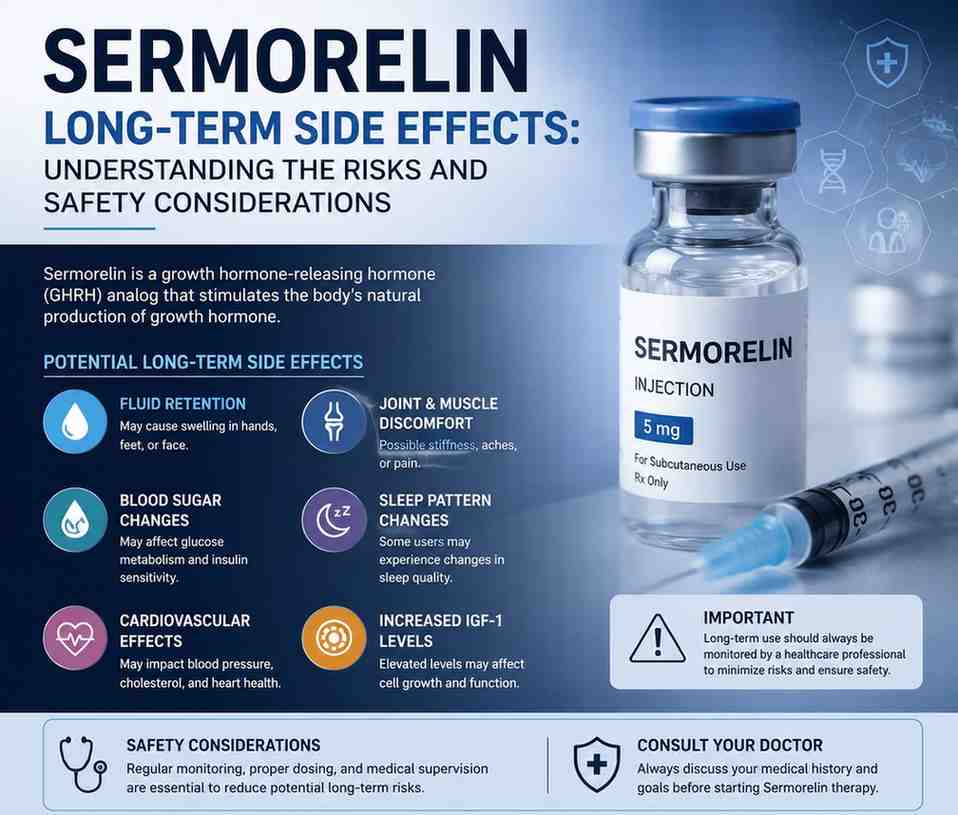

What Is Sermorelin?
Sermorelin is a synthetic version of a naturally occurring hormone called growth hormone-releasing hormone (GHRH). The body normally produces GHRH in the hypothalamus, which signals the pituitary gland to release growth hormone.
Unlike direct growth hormone injections, sermorelin does not provide growth hormone itself. Instead, it acts as a signaling molecule that stimulates the body’s production of growth hormone.
Growth hormone plays a major role in several biological functions, including:
- Supporting muscle growth and repair
- Maintaining bone strength
- Helping regulate metabolism
- Supporting fat breakdown
- Influencing sleep quality
- Assisting tissue recovery
- Supporting overall physical performance
As people age, natural growth hormone levels typically decline. This reduction may contribute to changes such as decreased muscle mass, slower recovery, reduced energy, and changes in body composition.
Sermorelin therapy is sometimes considered a way to stimulate growth hormone production while allowing the body to maintain its natural regulation system.
How Does Sermorelin Work in the Body?
When sermorelin enters the body, it sends signals to the pituitary gland to release more growth hormone. The increased growth hormone then stimulates the liver and other tissues to produce insulin-like growth factor-1 (IGF-1).
IGF-1 is an important hormone involved in:
- Muscle repair
- Cell growth
- Bone development
- Tissue regeneration
- Metabolic processes
The process generally follows this pathway:
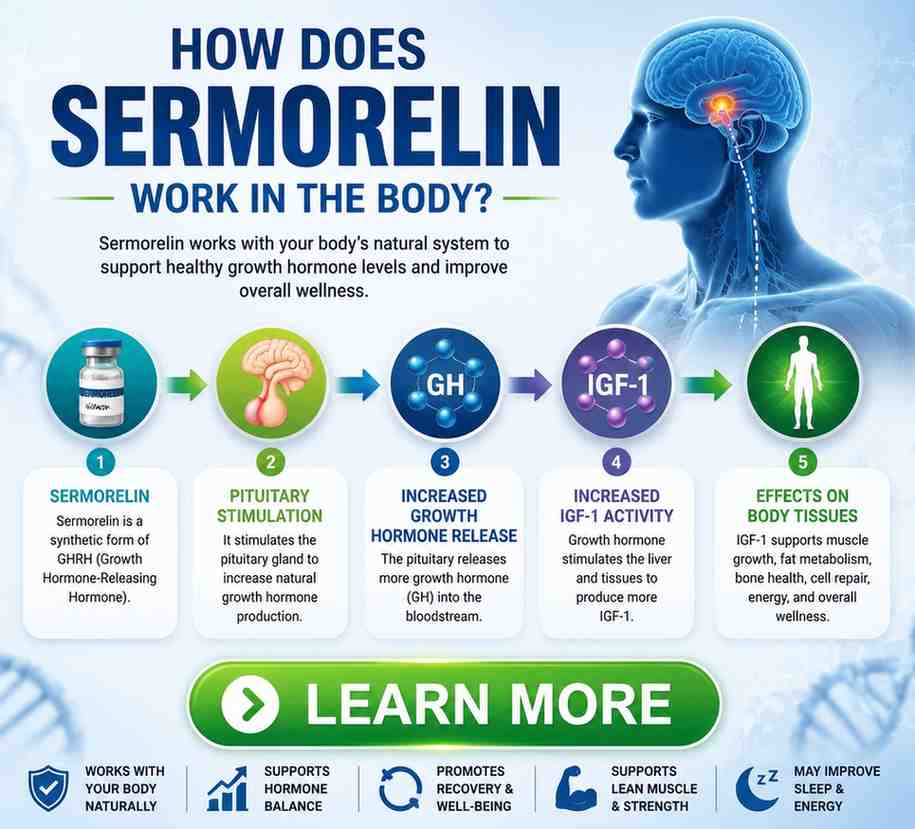
Sermorelin → Pituitary Stimulation → Increased Growth Hormone Release → Increased IGF-1 Activity → Effects on Body Tissues
Because sermorelin encourages the body’s own production rather than replacing hormones directly, some experts consider it a more controlled approach compared with direct growth hormone therapy.
However, increasing hormone activity over extended periods can potentially influence multiple systems in the body. This is why understanding sermorelin long-term side effects is important before starting treatment.
Why Do People Use Sermorelin Therapy?
Sermorelin is commonly discussed in wellness and hormone optimization settings because of its potential effects on growth hormone levels.
People may consider sermorelin therapy for goals such as:
Supporting Healthy Aging
Growth hormone levels naturally decrease with age. Some individuals explore sermorelin as part of an age-management approach to support physical function and overall wellness.
Improving Recovery
Growth hormone plays a role in tissue repair and recovery. Some users seek sermorelin to support recovery after exercise or physical activity.
Supporting Muscle Maintenance
Growth hormone contributes to muscle development and protein synthesis. Maintaining healthy hormone levels may support lean body composition when combined with proper nutrition and exercise.
Promoting Better Sleep Quality
Growth hormone release naturally occurs during deep sleep. Because sermorelin influences growth hormone pathways, some people report improvements in sleep patterns.
Supporting Metabolism
Growth hormone affects how the body uses fats, carbohydrates, and proteins. Sermorelin may influence metabolic processes through increased growth hormone activity.
It is important to understand that results can vary significantly between individuals. Factors such as age, genetics, lifestyle habits, existing hormone levels, and overall health can influence outcomes.
Why Are People Concerned About Sermorelin Long-Term Side Effects?
The main reason people ask about sermorelin long-term side effects is that hormones have widespread effects throughout the body.
Growth hormone and IGF-1 influence many tissues, meaning prolonged stimulation could potentially affect:
- Metabolism
- Blood sugar regulation
- Muscle and joint tissues
- Fluid balance
- Cellular activity
- Organ function
Short-term side effects are usually easier to identify because they occur soon after starting treatment. Long-term effects may develop gradually and require ongoing monitoring.
Another important consideration is that sermorelin research is more limited compared with some other hormone therapies. While studies have examined sermorelin’s effects, long-term outcomes over many years may not yet be fully established for all populations using the therapy today.
For this reason, healthcare providers typically evaluate:
- Individual health history
- Hormone levels
- Treatment goals
- Risk factors
- Ongoing laboratory results
before recommending continued use.
Sermorelin Long-Term Side Effects: Possible Risks to Consider
Although many people tolerate sermorelin well under medical supervision, long-term use may be associated with certain concerns.
The possible long-term side effects may include:
👉 1. Changes in IGF-1 Levels
One of the main effects of sermorelin is increasing growth hormone activity, which can raise IGF-1 levels. IGF-1 is important for growth and repair, but consistently elevated levels may require monitoring.
Potential concerns related to increased IGF-1 activity include:
- Changes in tissue growth signaling
- Increased metabolic activity
- Possible effects on existing health conditions
Doctors may measure IGF-1 levels regularly to ensure they remain within an appropriate range.
👉2. Fluid Retention and Swelling
One possible long-term concern associated with increased growth hormone activity is fluid retention. Some individuals may experience:
- Mild swelling
- Puffy appearance
- Increased water weight
- Feeling of tightness in hands or feet
Fluid-related effects are often dose-dependent and may improve when treatment is adjusted.
Proper medical monitoring helps determine whether symptoms are temporary or require changes to therapy.
👉 3. Joint and Muscle Discomfort
Because growth hormone affects tissues, some users may notice changes involving muscles and joints.
Possible symptoms may include:
- Joint stiffness
- Muscle aches
- Tingling sensations
- Mild discomfort in hands or feet
These effects may occur because growth hormone influences fluid balance and connective tissue activity.
Anyone experiencing persistent pain or unusual symptoms should discuss them with a healthcare provider.
👉 4. Blood Sugar Changes and Insulin Sensitivity Concerns
One of the most important areas doctors monitor during long-term sermorelin therapy is blood sugar regulation.
Growth hormone has complex effects on metabolism. While it can support fat metabolism and body composition, higher growth hormone activity may also influence how the body responds to insulin.
Insulin is the hormone responsible for helping glucose move from the bloodstream into cells for energy. Changes in growth hormone levels may affect this process.
Potential concerns with long-term sermorelin use may include:
- Increased blood glucose levels
- Reduced insulin sensitivity
- Changes in glucose metabolism
- Greater monitoring needs for people with diabetes risk factors
Individuals with a history of:
- Prediabetes
- Diabetes
- Metabolic syndrome
- Insulin resistance
may require closer monitoring while using sermorelin.
Doctors may evaluate markers such as:
- Fasting blood glucose
- Hemoglobin A1c (HbA1c)
- Insulin levels
- Overall metabolic health
Regular monitoring can help identify changes early and allow treatment adjustments when needed.
👉5. Possible Effects on Heart Health
Growth hormone influences several cardiovascular processes, including metabolism, blood pressure regulation, and body composition.
Because sermorelin stimulates natural growth hormone production, long-term therapy may have effects on cardiovascular health depending on the individual.
Possible concerns may include:
- Changes in blood pressure
- Fluid retention affecting circulation
- Alterations in cholesterol levels
- Changes in cardiovascular workload
However, maintaining healthy growth hormone levels may also have potential benefits for some individuals, especially when hormone levels are lower than normal.
The overall effect depends on factors such as:
- Existing heart health
- Age
- Lifestyle habits
- Treatment dosage
- Individual response
People with cardiovascular conditions should discuss their medical history with a healthcare provider before starting sermorelin.
👉 6. Sleep Pattern Changes
Growth hormone release naturally occurs during deep sleep. Because sermorelin stimulates growth hormone production, some users report changes in sleep quality.
Possible positive effects may include:
- Improved sleep depth
- Better nighttime recovery
- Increased feelings of restfulness
However, some individuals may experience changes such as:
- Difficulty adjusting sleep patterns
- Increased nighttime alertness
- Changes in sleep cycles
Sleep-related effects can vary depending on when treatment is administered and individual hormone patterns.
Maintaining healthy sleep habits remains important during therapy, including:
- Keeping a consistent sleep schedule
- Limiting excessive screen exposure before bed
- Managing stress
- Maintaining proper nutrition
👉 7. Skin and Tissue Changes
Growth hormone and IGF-1 contribute to collagen production, tissue repair, and cellular activity.
Some people explore sermorelin because of potential skin-related benefits, such as:
- Improved skin elasticity
- Better tissue recovery
- Healthier skin appearance
However, increased growth hormone activity may also cause unwanted changes in some individuals.
Possible concerns include:
- Skin sensitivity
- Changes in oil production
- Increased sweating
- Tissue growth changes
These effects are not experienced by everyone and may depend on dosage, treatment duration, and individual biology.
👉 8. Headaches and Pressure-Related Symptoms
Some individuals using sermorelin may experience headaches, especially when beginning treatment or adjusting doses.
Possible reasons may include:
- Hormonal changes
- Fluid shifts
- Changes in growth hormone activity
Symptoms may include:
- Mild headaches
- Pressure sensations
- Temporary discomfort
Persistent or severe headaches should always be evaluated by a medical professional.
👉 9. Numbness, Tingling, or Nerve-Related Symptoms
Changes in fluid balance and tissue growth activity may occasionally affect nerve pathways.
Some users report symptoms such as:
- Tingling sensations
- Numbness in hands or feet
- Unusual sensations in extremities
These symptoms should not be ignored, especially if they continue or worsen.
A healthcare provider may evaluate whether symptoms are related to:
- Hormone levels
- Fluid retention
- Other medical conditions
Does Long-Term Sermorelin Use Affect Natural Growth Hormone Production?
A common concern is whether sermorelin can cause the body to stop producing its own growth hormone. Unlike direct growth hormone replacement, sermorelin stimulates the body’s natural pathway.
Because it acts through the pituitary gland, it may help the body maintain some level of natural regulation.
However, long-term hormone stimulation can influence the body’s feedback systems.
Factors that may affect natural hormone balance include:
- Treatment duration
- Dosage
- Individual hormone function
- Age
- Overall health
Medical supervision is important because hormone therapy should be personalized rather than used with a one-size-fits-all approach.
Sermorelin and Cancer Risk: What Should You Know?
One of the most frequently discussed concerns regarding growth hormone-related therapies is whether increased growth hormone or IGF-1 activity could influence cancer risk.
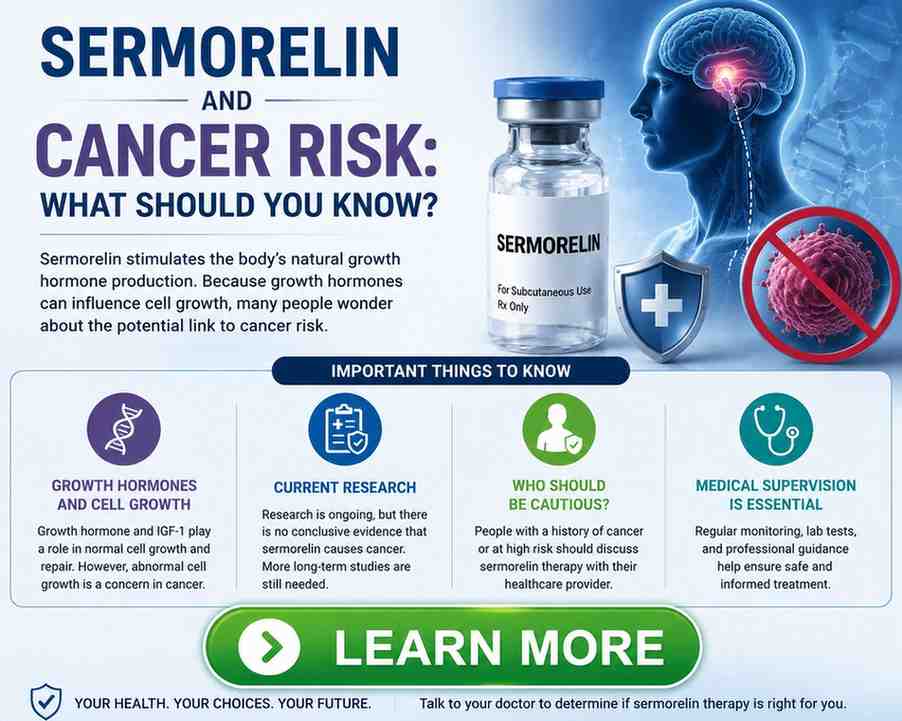
Growth hormone and IGF-1 are involved in cellular growth and repair. Because cancer involves abnormal cell growth, researchers have studied the relationship between these hormones and cancer development.
Current understanding suggests that:
- Sermorelin should generally be avoided in individuals with active cancer.
- People with a history of certain cancers may require additional medical evaluation.
- Long-term effects require continued research.
There is no simple conclusion that sermorelin causes cancer. However, because growth-related hormones influence cell activity, careful screening and medical oversight are important.
Before starting therapy, doctors may review:
- Personal cancer history
- Family history
- Current health conditions
- Necessary medical screenings
Who Should Be Careful With Long-Term Sermorelin Use?
Sermorelin may not be appropriate for everyone.
Individuals who should discuss risks carefully with a healthcare provider include those with:
- Active Cancer: Growth-related hormone stimulation may not be appropriate during active cancer treatment.
- Uncontrolled Diabetes: Because growth hormone pathways can affect glucose metabolism, blood sugar control should be evaluated.
- Severe Medical Conditions: People with serious cardiovascular, metabolic, or endocrine conditions may need additional evaluation.
- Pregnancy or Breastfeeding: Hormone therapies are typically evaluated carefully during pregnancy and breastfeeding.
- Hormonal Disorders: Individuals with certain pituitary or endocrine conditions may require specialized care.
How Doctors Monitor Long-Term Sermorelin Therapy
Proper monitoring is one of the most important factors in reducing potential sermorelin long-term side effects.
A healthcare provider may monitor:
IGF-1 Levels
IGF-1 testing helps evaluate how strongly the body is responding to treatment.
Blood Sugar Markers
Testing may include:
- Glucose levels
- HbA1c
- Insulin sensitivity measurements
Hormone Levels
Doctors may evaluate overall hormone balance depending on individual needs.
Physical Symptoms
Patients may be asked about:
- Swelling
- Joint discomfort
- Energy changes
- Sleep quality
- Body composition changes
Overall Health Changes
Regular appointments allow providers to adjust treatment based on results.
Ways to Reduce Potential Sermorelin Long-Term Side Effects
Although side effects cannot always be completely prevented, several strategies may help improve safety.
1. Follow Medical Guidance
Using sermorelin under professional supervision helps ensure appropriate dosing and monitoring.
2. Avoid Excessive Dosage
Higher doses do not always provide better results and may increase unwanted effects.
3. Maintain Healthy Lifestyle Habits
Lifestyle choices can influence treatment outcomes.
Important habits include:
- Regular exercise
- Balanced nutrition
- Adequate sleep
- Stress management
4. Complete Regular Health Testing
Routine blood work allows doctors to identify changes early.
5. Report Unusual Symptoms
Any persistent symptoms should be discussed promptly.
Sermorelin Benefits vs Long-Term Risks
| Potential Benefits | Possible Long-Term Concerns |
| Supports natural growth hormone release | Changes in IGF-1 levels |
| May support muscle recovery | Fluid retention |
| May improve sleep quality | Joint discomfort |
| Supports healthy metabolism | Blood sugar changes |
| May assist body composition goals | Hormonal adjustments |
| Encourages natural hormone pathways | Requires ongoing monitoring |
The decision to use sermorelin should involve weighing potential benefits against individual risks.
Sermorelin and Weight Management: What You Should Know
Growth hormone influences how the body processes stored fat and energy.
Some users explore sermorelin because they hope it may support:
- Healthy fat metabolism
- Improved body composition
- Better exercise recovery
However, sermorelin should not be considered a replacement for:
- Healthy eating
- Physical activity
- Medical weight management strategies
Long-term weight changes depend on many factors, including:
- Calorie balance
- Metabolism
- Genetics
- Activity levels
What Happens When You Stop Sermorelin?
Another common question is what happens after discontinuing sermorelin therapy.
When sermorelin is stopped, growth hormone stimulation typically returns toward the body’s natural baseline.
Possible changes after stopping may include:
- Reduction in treatment-related effects
- Return of previous hormone patterns
- Changes in energy or recovery levels
Individual experiences vary depending on:
- Age
- Treatment duration
- Lifestyle habits
- Baseline hormone levels
A healthcare provider can help determine whether stopping, adjusting, or continuing therapy is appropriate.
Signs You Should Contact a Doctor While Taking Sermorelin
Although many people tolerate sermorelin well, certain symptoms should be discussed with a healthcare professional.
Contact a doctor if you experience:
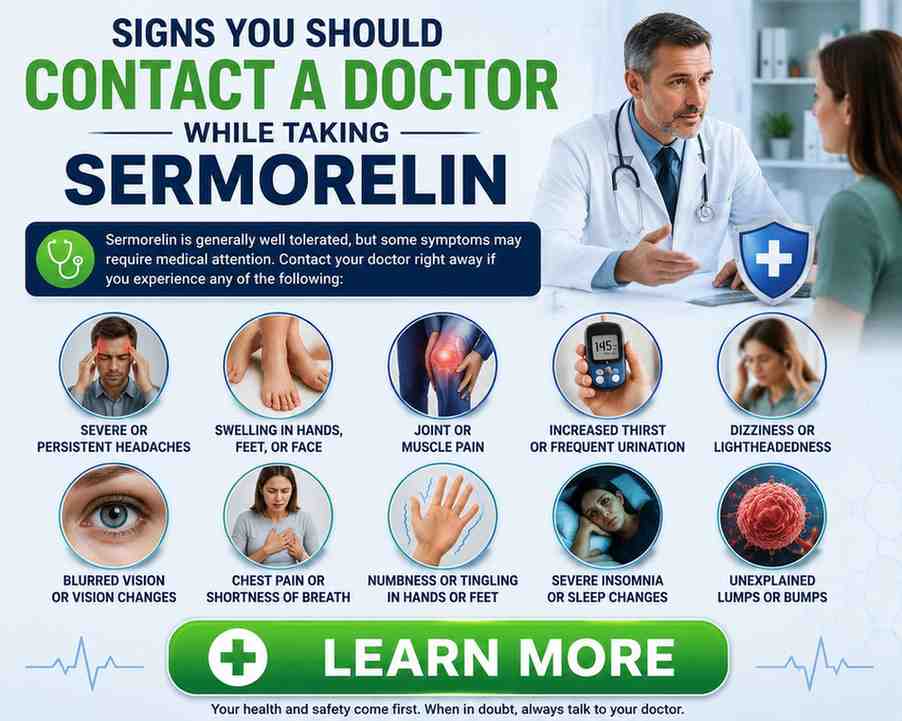
- Persistent swelling
- Severe headaches
- Significant joint pain
- Vision changes
- Increased thirst or frequent urination
- Unusual fatigue
- Numbness or tingling sensations
- Rapid unexplained body changes
Early evaluation can help prevent potential complications.
How to Make Sermorelin Therapy Safer
Safe hormone therapy involves more than simply taking a medication. It requires a complete health approach.
Helpful strategies include:
Maintain Regular Medical Follow-Ups
Routine appointments allow doctors to evaluate effectiveness and safety.
Track Physical Changes
Keep notes about:
- Sleep quality
- Energy levels
- Exercise performance
- Weight changes
- Possible symptoms
Prioritize Nutrition
A balanced diet supports healthy hormone function.
Important nutrients include:
- Protein
- Healthy fats
- Vitamins
- Minerals
- Fiber-rich foods
Exercise Regularly
Strength training and cardiovascular exercise support natural hormone balance.
Get Quality Sleep
Natural growth hormone release occurs primarily during deep sleep, making sleep an important part of hormone health.
Sermorelin vs Direct Growth Hormone Therapy: Long-Term Safety Differences
Sermorelin and direct growth hormone therapy work differently.
| Sermorelin | Direct Growth Hormone Therapy |
| Stimulates natural production | Provides growth hormone directly |
| Works through pituitary signaling | Bypasses natural release pathway |
| Allows natural feedback regulation | May create higher hormone exposure |
| Requires hormone monitoring | Requires careful medical supervision |
Because the mechanisms differ, the potential long-term effects may also differ.A healthcare provider can help determine which approach, if any, fits an individual’s needs.
Expert Considerations Before Starting Long-Term Sermorelin
Before beginning sermorelin therapy, individuals should consider:
Treatment Goals: Understanding why you want therapy can help determine whether it is appropriate.
Health History: Medical conditions, medications, and family history should be reviewed.
Expected Results: Sermorelin may support certain health goals, but results are not guaranteed.
Long-Term Commitment: Hormone therapy requires ongoing attention, monitoring, and follow-up.
Final Thoughts
I highly recommend approaching sermorelin therapy with careful consideration and professional guidance. Sermorelin may offer benefits by supporting the body’s natural growth hormone production, including improved recovery, metabolic support, and healthy aging goals.
However, understanding sermorelin long-term side effects is essential before beginning treatment. Possible concerns involving blood sugar changes, fluid retention, joint discomfort, hormonal changes, and other effects highlight the importance of regular monitoring.
The safest approach is a personalized treatment plan created with a qualified healthcare provider. By combining appropriate medical supervision with healthy lifestyle habits, individuals can better understand whether sermorelin aligns with their personal health goals.
.